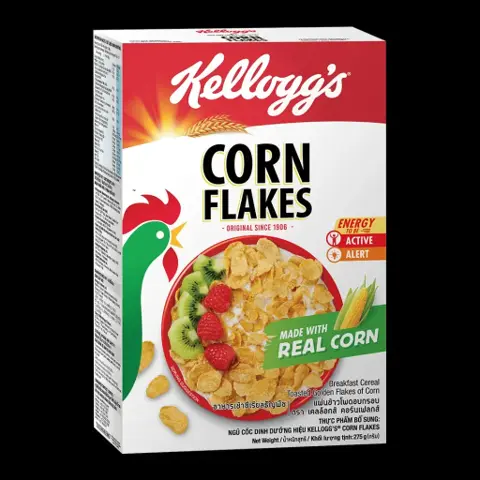
Kellogg's Corn Flakes
Swap it for
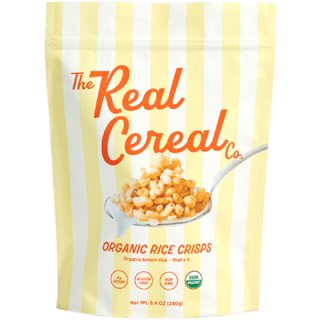
 The Real Cereal Co. Organic Rice Crisps The Real Cereal Co. · 3 pack View on Amazon See all Cereal, ranked
At a glance
Summary
Kellogg's Corn Flakes scores 4/100. Food Democracy Now / The Detox Project 2016 testing (Anresco Laboratories) confirmed positive for glyphosate. The ingredient deck is short — milled corn, sugar, malt flavor, salt — but the corn is refined and degerminated, and bioengineered ingredients are confirmed.
Contaminants 1
Source: Anresco Laboratories
Glyphosate Detected High
Detected at a high level — at or above health-based exposure limits. Regular exposure at this level is a genuine health concern. Glyphosate is classified as a probable human carcinogen by IARC.
Food Democracy Now / The Detox Project 2016 testing (Anresco Laboratories, FDA-registered, LC-MS/MS) confirmed positive for glyphosate.
Key ingredients 12
SugarBad
Refined sugar is added for sweetness but contributes to empty calories. It can lead to increased blood sugar levels and potential weight gain. Excessive consumption is linked to various health issues such as obesity and diabetes.
Risks
High intake of refined sugar is associated with increased risk of obesity, type 2 diabetes, and heart disease.
Milled cornNeutral
Milled corn is a processed form of corn used as a base ingredient in cereals. It provides carbohydrates but lacks significant nutritional diversity. The milling process removes some of the natural fiber and nutrients found in whole corn.
Benefits
Provides a source of carbohydrates for energy but lacks other significant nutritional benefits.
Malt flavorNeutral
Malt flavor is used to enhance the taste of the product. It is derived from barley and provides a distinct flavor profile. The processing of malt flavor involves extraction and concentration, which may reduce its nutritional value.
Benefits
Adds flavor to the product without significant nutritional benefits.
SaltNeutral
Salt is used to enhance flavor and preserve the product. It is a common additive in processed foods. Excessive consumption can lead to high blood pressure and other cardiovascular issues.
Risks
High sodium intake is linked to increased risk of hypertension and cardiovascular diseases.
Benefits
Provides essential sodium needed for various bodily functions but should be consumed in moderation.
Iron (ferric phosphate)Neutral
Iron is added to fortify the cereal and prevent iron deficiency anemia. Ferric phosphate is a common form used in food fortification. It is less bioavailable than other forms of iron, which may affect absorption.
Risks
Excessive iron intake can lead to toxicity, especially in individuals with hemochromatosis.
Benefits
Helps prevent iron deficiency anemia and supports oxygen transport in the body.
Vitamin B1 (thiamin hydrochloride)Neutral
Thiamin is essential for carbohydrate metabolism and nerve function. Thiamin hydrochloride is a synthetic form used in food fortification. It helps convert carbohydrates into energy and supports nervous system health.
Benefits
Supports carbohydrate metabolism and nerve function.
Folic acidNeutral
Folic acid is a synthetic form of vitamin B9 used to fortify foods. It is crucial for DNA synthesis and cell division. Fortification helps prevent neural tube defects in developing fetuses.
Risks
Excessive intake may mask vitamin B12 deficiency symptoms.
Benefits
Supports DNA synthesis and cell division, and helps prevent neural tube defects.
NiacinamideGood
Vitamin B3 — evidence-backed skin and metabolic benefits.
Benefits
Supports energy metabolism and contributes to skin health.
Vitamin B6 (pyridoxine hydrochloride)Good
Beneficial ingredient — whole-food or functional value in this product class.
Benefits
Supports protein metabolism and cognitive development.
Vitamin B2 (riboflavin)Good
Essential B vitamin — beneficial micronutrient.
Benefits
Supports energy production and cellular function.
Vitamin D3Good
Beneficial ingredient — whole-food or functional value in this product class.
Risks
Excessive intake can lead to hypercalcemia and associated health issues.
Benefits
Supports calcium absorption and bone health.
Vitamin B12Good
Beneficial ingredient — whole-food or functional value in this product class.
Benefits
Supports red blood cell formation and neurological function.
Processing
Ultra-Processed Foods
Get the full breakdown in the Scout appTake Scout shopping
Scan any product to see lab results, healthy alternatives, and your personalized analysis.
Are you Kellogg's? Fix an error Get the badge Get tested
Amazon pricing & content
CERTAIN CONTENT THAT APPEARS ON THIS SITE COMES FROM AMAZON. THIS CONTENT IS PROVIDED “AS IS” AND IS SUBJECT TO CHANGE OR REMOVAL AT ANY TIME.