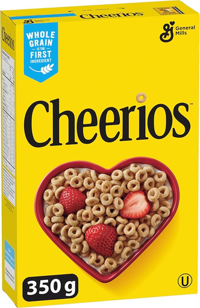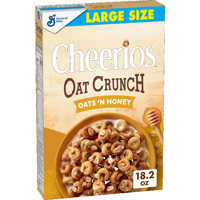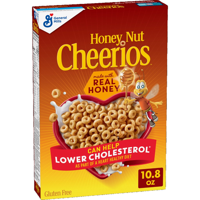
Frosted Cheerios
Swap it for
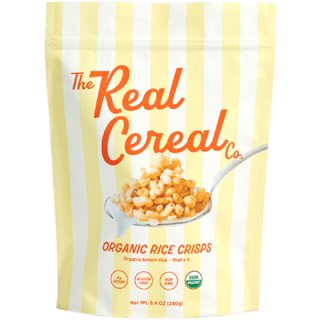
 The Real Cereal Co. Organic Rice Crisps The Real Cereal Co. · 3 pack View on Amazon See all Cereal, ranked
At a glance
Summary
Frosted Cheerios scores 16/100. EWG's February 2024 chlormequat study detected the pesticide at ~60 ppb. Chlormequat is a plant growth regulator linked to reduced fertility and developmental toxicity in animal studies; it is not approved for use on food crops grown in the U.S. EWG 2023 also found up to 71.8 ppb glyphosate. The heavy three-sweetener load (sugar + corn syrup + brown sugar syrup) plus trisodium phosphate sit on top of the two-pesticide contamination story.
Contaminants 2
Source: EWG
Glyphosate 71.8 ppb Moderate
Detected at a moderate level — a meaningful amount worth factoring in if this product is eaten regularly. Glyphosate is classified as a probable human carcinogen by IARC, and glyphosate-residue-free supply chains exist — so its presence reflects ingredient sourcing.
EWG 2023 testing detected glyphosate at up to 71.8 ppb (samples: 48.6 and 71.8 ppb).
Chlormequat ~60 ppb High
Detected at a high level — at or above health-based exposure limits. Regular exposure at this level is a genuine health concern. Chlormequat is a plant growth regulator (PGR) used to shorten cereal stalks pre-harvest. Animal studies link chlormequat exposure to reduced fertility, delayed puberty, and developmental toxicity (Environmental Health Perspectives 2018; Reproductive Toxicology 2020). Chlormequat is not approved for use on food crops grown in the U.S., so its presence in this product indicates pre-harvest spraying on imported (likely Canadian or European) oats. There is no FDA tolerance for chlormequat in oat-based foods sold in the U.S.
EWG's February 2024 study detected chlormequat chloride at ~60 ppb in this product. EWG detected chlormequat in 80% of urine samples from a U.S. population in 2023.
Key ingredients 21
SugarBad
Refined sugar is a source of empty calories and can contribute to weight gain and metabolic issues. It is highly processed and lacks nutritional value. Excessive consumption is linked to various health problems, including diabetes.
Risks
High intake can lead to obesity, insulin resistance, and dental cavities.
Corn SyrupBad
Corn syrup is a sweetener that can contribute to excessive calorie intake and weight gain. It is highly processed and lacks nutritional benefits. Regular consumption is associated with metabolic disorders.
Risks
May lead to obesity and increased risk of type 2 diabetes.
Trisodium PhosphateBad
Processed additive flagged under Scout's ingredient doctrine.
Risks
Excessive consumption may affect kidney function and bone health.
Natural FlavorBad
Natural flavors are added to enhance taste but are often highly processed. They can contain a variety of chemical compounds. Lack of transparency in their composition raises concerns.
Risks
Potential allergens and unknown chemical additives may pose health risks.
Corn StarchNeutral
Corn starch is a refined carbohydrate used as a thickening agent. It is highly processed and provides little nutritional value. It is generally considered neutral in terms of health impact.
Risks
Excessive consumption may contribute to blood sugar spikes.
SaltNeutral
Salt is used to enhance flavor but provides no nutritional benefits beyond sodium. It is a refined ingredient and should be consumed in moderation. Excessive intake can lead to health issues.
Risks
High sodium intake is linked to hypertension and cardiovascular diseases.
Benefits
Essential for maintaining fluid balance and nerve function.
Brown Sugar SyrupNeutral
Brown sugar syrup is a sweetener that provides flavor and color. It is processed and contains added sugars. While it offers some trace minerals, its nutritional value is limited.
Risks
High sugar content can contribute to weight gain and metabolic issues.
Benefits
Contains small amounts of minerals like calcium and potassium.
Calcium CarbonateNeutral
Standard formulation ingredient — neither beneficial nor harmful at typical use.
Risks
Excessive intake may lead to kidney stones or impaired absorption of other minerals.
Benefits
Supports bone health and helps prevent osteoporosis.
Vitamin A PalmitateNeutral
Standard formulation ingredient — neither beneficial nor harmful at typical use.
Risks
Excessive intake can lead to toxicity and liver damage.
Benefits
Supports vision and immune function.
Folic AcidNeutral
Standard formulation ingredient — neither beneficial nor harmful at typical use.
Benefits
Supports cell growth and prevents birth defects.
Oat BranGood
Oat bran is high in soluble fiber, which can help lower cholesterol levels. It is a minimally processed component of oats. This ingredient supports digestive health and provides a feeling of fullness.
Benefits
Contains beta-glucan, which is beneficial for heart health and blood sugar control.
Vitamin EGood
Vitamin E is an antioxidant that helps protect cells from oxidative damage. It is added to preserve freshness and enhance nutritional value. This vitamin supports immune function and skin health.
Benefits
Supports immune function and acts as an antioxidant.
Zinc and IronGood
Zinc and iron are essential minerals that support immune function and oxygen transport. They are added to fortify the product and enhance nutritional value. Adequate intake is vital for overall health and development.
Risks
Excessive intake can lead to toxicity and interfere with the absorption of other nutrients.
Benefits
Supports immune function and helps prevent anemia.
Vitamin CGood
Vitamin C is an antioxidant that supports immune health and collagen synthesis. It is added to enhance the nutritional profile of the product. This vitamin aids in the absorption of iron from plant-based sources.
Benefits
Boosts immune function and enhances iron absorption.
NiacinamideGood
Niacinamide is a form of vitamin B3 that supports energy metabolism and skin health. It is added to fortify the product and prevent deficiencies. This vitamin plays a role in DNA repair and cell signaling.
Benefits
Supports energy production and skin health.
Vitamin B6Good
Vitamin B6 is essential for protein metabolism and cognitive development. It is added to enhance the nutritional value of the product. This vitamin supports neurotransmitter synthesis and immune function.
Benefits
Supports brain health and immune function.
Vitamin B2Good
Vitamin B2, or riboflavin, is important for energy production and cellular function. It is added to fortify the product and prevent deficiencies. This vitamin supports the metabolism of fats, drugs, and steroids.
Benefits
Supports energy metabolism and cellular health.
Thiamin MononitrateGood
Thiamin mononitrate is a form of vitamin B1 that aids in energy metabolism. It is added to fortify the product and prevent deficiencies. This vitamin is crucial for nerve function and carbohydrate metabolism.
Benefits
Supports energy production and nerve function.
Vitamin B12Good
Vitamin B12 is essential for red blood cell formation and neurological function. It is added to enhance the nutritional value of the product. This vitamin is crucial for DNA synthesis and energy production.
Benefits
Supports nerve health and red blood cell production.
Vitamin D3Good
Vitamin D3 supports calcium absorption and bone health. It is added to fortify the product and enhance its nutritional profile. Adequate vitamin D levels are important for immune function and mood regulation.
Risks
Excessive intake can lead to hypercalcemia and kidney damage.
Benefits
Supports bone health and immune function.
Whole Grain OatsVery Good
Minimally processed whole-food ingredient.
Benefits
Rich in dietary fiber, which aids digestion and helps maintain healthy cholesterol levels.
Processing
Ultra-Processed Foods
Get the full breakdown in the Scout appTake Scout shopping
Scan any product to see lab results, healthy alternatives, and your personalized analysis.
Are you Cheerios? Fix an error Get the badge Get tested
Amazon pricing & content
CERTAIN CONTENT THAT APPEARS ON THIS SITE COMES FROM AMAZON. THIS CONTENT IS PROVIDED “AS IS” AND IS SUBJECT TO CHANGE OR REMOVAL AT ANY TIME.