

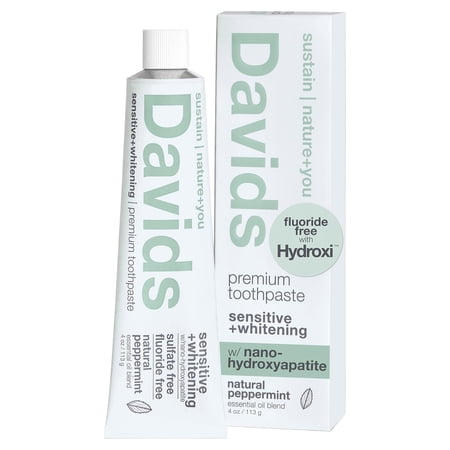
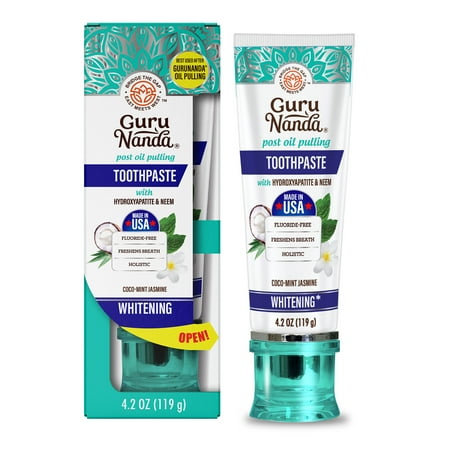
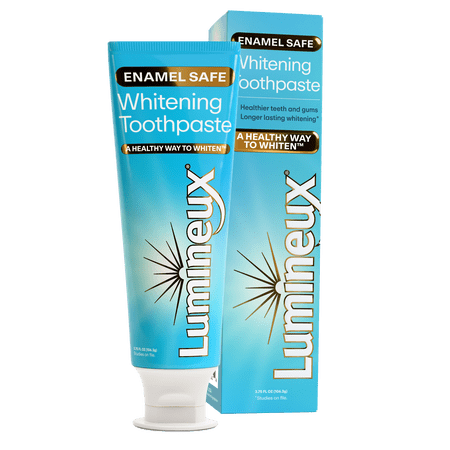
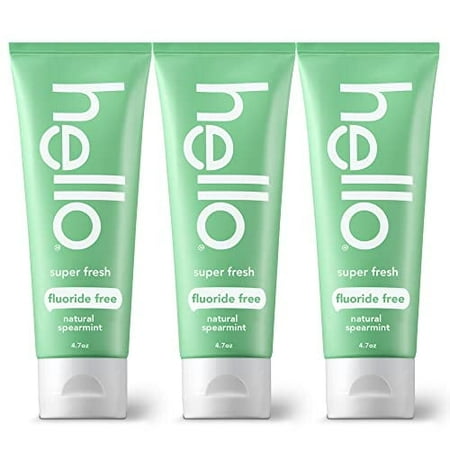
Tom s of Maine Botanically Bright Peppermint Whitening Toothpaste 4.7 oz
Summary
This toothpaste contains some beneficial ingredients like natural mint oils, which are generally safe for oral use. However, it is processed and includes fluoride, which can be toxic in excess, and other potential irritants. The presence of these ingredients, combined with the processing level, impacts its overall safety and effectiveness for oral care.
At a glance
Key ingredients 9
WaterNeutral
Water is a common solvent used in toothpaste to dissolve other ingredients and provide the desired consistency. It does not contribute to the active cleaning or whitening properties of the toothpaste. Its primary role is to act as a carrier for other ingredients.
Risks
There are no significant risks associated with water in toothpaste.
Benefits
Water helps to dissolve and evenly distribute other ingredients in the toothpaste.
SorbitolNeutral
Sorbitol is a sugar alcohol used as a sweetener and humectant in toothpaste. It helps to retain moisture and prevent the toothpaste from drying out. It also provides a sweet taste without contributing to tooth decay.
Risks
Excessive consumption of sorbitol can cause digestive issues, but this is not a concern in toothpaste.
Benefits
Sorbitol helps maintain the moisture and texture of the toothpaste.
Hydrated SilicaNeutral
Hydrated silica is used as a mild abrasive in toothpaste to help remove plaque and surface stains from teeth. It is effective in polishing teeth without being overly abrasive. It contributes to the whitening effect of the toothpaste.
Risks
There are minimal risks associated with hydrated silica when used in toothpaste.
Benefits
Hydrated silica helps in cleaning and polishing teeth, contributing to a brighter smile.
GlycerinNeutral
Glycerin is used in toothpaste as a humectant to prevent it from drying out and to maintain a smooth texture. It also adds a slightly sweet taste without promoting tooth decay. It is a common ingredient in many oral care products.
Risks
There are no significant risks associated with glycerin in toothpaste.
Benefits
Glycerin helps maintain the moisture and texture of the toothpaste.
Xylitol
Xylitol is a sugar alcohol that is used as a sweetener in toothpaste. It is known for its ability to reduce cavity-causing bacteria in the mouth. Xylitol also helps to maintain moisture in the toothpaste.
Risks
There are no significant risks associated with xylitol in toothpaste.
Benefits
Xylitol helps reduce the risk of cavities by inhibiting the growth of harmful bacteria.
Lauryl GlucosideNeutral
Lauryl glucoside is a mild surfactant used in toothpaste to help create foam and improve the spreadability of the product. It is derived from natural sources such as coconut oil and glucose. It is considered gentle on the skin and mucous membranes.
Risks
There are minimal risks associated with lauryl glucoside in toothpaste.
Benefits
Lauryl glucoside helps in the even distribution of toothpaste during brushing.
Sodium Cocoyl GlutamateNeutral
Sodium cocoyl glutamate is a mild surfactant used in toothpaste to help with foaming and cleansing. It is derived from coconut oil and glutamic acid, an amino acid. It is known for being gentle and non-irritating.
Risks
There are minimal risks associated with sodium cocoyl glutamate in toothpaste.
Benefits
Sodium cocoyl glutamate helps cleanse the teeth and mouth gently.
Natural Flavor (Peppermint Oil and Other Natural Flavor)
Natural flavor in toothpaste, such as peppermint oil, provides a refreshing taste and helps freshen breath. Peppermint oil also has mild antimicrobial properties that can benefit oral health. It enhances the sensory experience of brushing teeth.
Risks
There are minimal risks associated with natural flavors in toothpaste.
Benefits
Peppermint oil helps freshen breath and may provide mild antimicrobial benefits.
BenzylNeutral
Benzyl is often used as a fragrance component in personal care products. In toothpaste, it may contribute to the overall flavor profile. It is generally recognized as safe in small quantities.
Risks
There are minimal risks associated with benzyl in toothpaste.
Benefits
Benzyl contributes to the flavor and sensory experience of the toothpaste.
Processing
Processed Foods
Get the full breakdown in the Scout app
Scan any product to see lab results, healthy alternatives, and your personalized analysis.
Download on theApp Store