

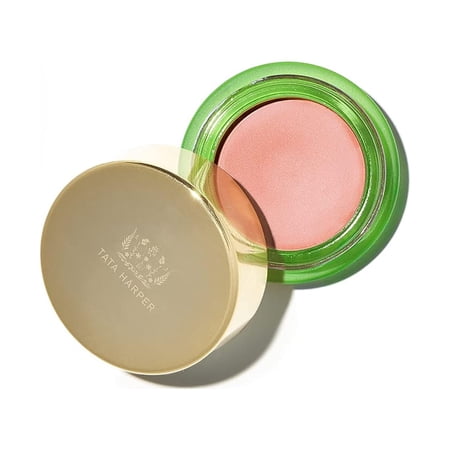


wet n wild Color Icon Blush Apri-Cot in the Middle
Summary
This blush contains a mix of synthetic and natural ingredients, with some preservatives and colorants that are common in cosmetics. While it does not contain highly concerning chemicals like parabens or formaldehyde releasers, the presence of synthetic fragrance and other processed ingredients affects its overall safety profile. The product is moderately processed, which impacts its rating, but it does not include the most harmful additives.
At a glance
Key ingredients 11
Mica
Mica is a mineral used to add shimmer and shine to cosmetics. It is generally considered safe for use in cosmetics. However, there are concerns about ethical sourcing and potential contamination with heavy metals.
Risks
Potential contamination with heavy metals and ethical sourcing issues.
Benefits
Provides shimmer and shine to cosmetic products.
Talc
Talc is used in cosmetics for its ability to absorb moisture and provide a smooth finish. However, it has been associated with health concerns, particularly when contaminated with asbestos. Its use is controversial due to potential respiratory issues.
Risks
Potential contamination with asbestos and respiratory issues.
Benefits
Absorbs moisture and provides a smooth finish.
Nylon-12
Nylon-12 is a synthetic polymer used to improve the texture and feel of cosmetic products. It is considered safe for use in cosmetics. It helps to create a smooth, silky finish on the skin.
Risks
Minimal risks associated with its use in cosmetics.
Benefits
Improves texture and provides a silky finish.
Boron Nitride
Boron Nitride is used in cosmetics for its lubricating properties and ability to improve product adherence. It is considered safe for use in cosmetics. It enhances the application and wear of makeup products.
Risks
Minimal risks associated with its use in cosmetics.
Benefits
Improves product adherence and application.
Ethyl Macadamiate
Ethyl Macadamiate is a derivative of macadamia oil used for its emollient properties. It is considered safe and beneficial for skin hydration. It provides a lightweight, non-greasy feel to cosmetic products.
Risks
Minimal risks associated with its use in cosmetics.
Benefits
Provides hydration and a non-greasy feel.
Dimethicone
Dimethicone is a silicone-based polymer used to provide a smooth application and protect the skin barrier. It is widely used in cosmetics and considered safe. It helps to fill in fine lines and create a smooth appearance.
Risks
Minimal risks, though some may experience skin irritation.
Benefits
Smooths application and protects the skin barrier.
Magnesium Myristate
Magnesium Myristate is used in cosmetics to improve texture and adhesion. It is considered safe for use in cosmetics. It enhances the longevity and feel of makeup products.
Risks
Minimal risks associated with its use in cosmetics.
Benefits
Improves texture and adhesion of products.
Silica
Silica is used in cosmetics for its oil-absorbing properties and ability to provide a matte finish. It is generally considered safe for use in cosmetics. It helps to control shine and improve the texture of products.
Risks
Inhalation of fine silica particles can pose respiratory risks.
Benefits
Controls shine and provides a matte finish.
Trimethylsiloxysilicate
Trimethylsiloxysilicate is a silicone used to enhance the water resistance and durability of cosmetics. It is considered safe for use in cosmetics. It helps to improve the longevity of makeup products.
Risks
Minimal risks associated with its use in cosmetics.
Benefits
Enhances water resistance and durability.
Phenoxyethanol
Phenoxyethanol is a preservative used to prevent microbial growth in cosmetics. It is considered safe in low concentrations but can cause irritation in some individuals. It helps to extend the shelf life of cosmetic products.
Risks
Potential skin irritation and allergic reactions.
Benefits
Prevents microbial growth and extends shelf life.
Polybutene
Polybutene is a synthetic polymer used as a binder and thickener in cosmetics. It is considered safe for use in cosmetics. It helps to improve the texture and consistency of products.
Risks
Minimal risks associated with its use in cosmetics.
Benefits
Improves texture and consistency of products.
Processing
Processed Foods
Get the full breakdown in the Scout app
Scan any product to see lab results, healthy alternatives, and your personalized analysis.
Download on theApp Store