
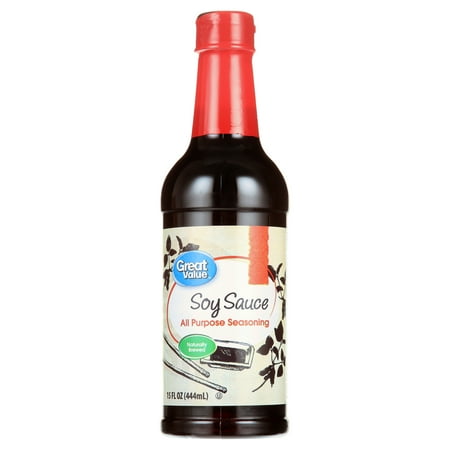



GREAT VALUE, SOY SAUCE ALL PURPOSE SEASONING
Great ValueAnalysis updated August 2026 · How Scout scores
Near you
Great Value is carried at Walmart stores. Find one within 25 miles.
At a glance
Summary
This soy sauce is a processed food with a simple ingredient list, primarily consisting of water, wheat, soybeans, and salt. However, it contains sodium benzoate as a preservative, which is generally safe but can form harmful compounds under certain conditions. The presence of this preservative and its processed nature limit the product's health score.
Key ingredients 5
WaterNeutral
Water is a neutral ingredient used as a base in many food products. It does not contribute any calories or nutrients. Its primary role is to dissolve other ingredients and provide consistency.
See more about Water →WheatNeutral
Wheat is a common grain used in food products, providing carbohydrates and some protein. It is a staple ingredient in many diets but can cause issues for those with gluten intolerance or celiac disease. Its nutritional value depends on the processing method and form used.
Risks
May cause allergic reactions or digestive issues in individuals with gluten intolerance or celiac disease.
Benefits
Provides carbohydrates and some protein, contributing to energy intake.
SoybeansNeutral
Soybeans are a source of plant-based protein and contain essential amino acids. They are often used in fermented products like soy sauce. The fermentation process can enhance digestibility and nutrient absorption.
Risks
May cause allergic reactions in some individuals and contain phytoestrogens, which can affect hormone balance.
Benefits
Rich in protein and essential amino acids, beneficial for plant-based diets.
SaltNeutral
Salt is used to enhance flavor and preserve food. It is a necessary nutrient but should be consumed in moderation to avoid health issues. The sodium content in salt is essential for fluid balance and nerve function.
Risks
Excessive consumption can lead to high blood pressure and cardiovascular issues.
Benefits
Essential for maintaining fluid balance and nerve function.
Sodium BenzoateBad
Sodium benzoate is a preservative used to prevent microbial growth in acidic foods. It is generally recognized as safe but can form benzene, a carcinogen, under certain conditions. Its use is limited to small quantities to minimize health risks.
Risks
Potential to form benzene, a carcinogen, when combined with ascorbic acid (vitamin C) under heat and light.
Benefits
Extends shelf life by preventing microbial growth in acidic foods.
Processing
Processed Foods
Get the full breakdown in the Scout appTake Scout shopping
Scan any product to see lab results, healthy alternatives, and your personalized analysis.
Download on theApp Store GET IT ONGoogle Play