
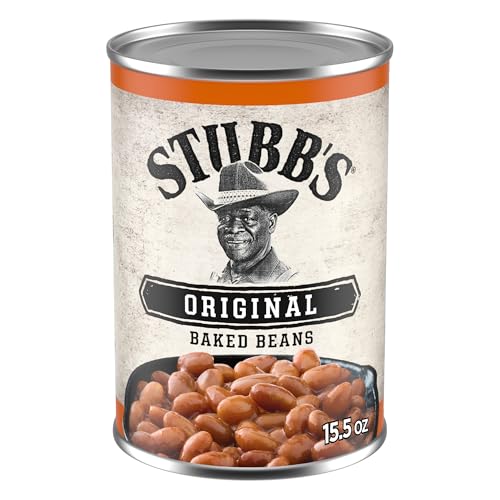

Stubb's Sticky Sweet Baked Beans
Analysis updated September 2026 · How Scout scores
At a glance
Summary
Sticky Sweet Baked Beans contain beneficial ingredients like white beans and tomato puree, which provide protein, fiber, and antioxidants. However, the product is processed and includes refined sugars, which contribute to empty calorie intake and potential health issues when consumed in excess. The presence of multiple additives and the level of processing limit the overall healthiness of this product.
Key ingredients 20
White BeansGood
White beans are a good source of plant-based protein and fiber, supporting digestive health. They are minimally processed and provide essential nutrients like iron and folate. Compared to refined carbohydrates, they have a lower glycemic index, which helps in blood sugar management.
Benefits
Rich in protein and fiber, which support muscle health and digestion. Contains essential nutrients like iron and folate, beneficial for overall health.
Tomato PureeGood
Tomato puree is rich in vitamins A and C, and antioxidants like lycopene, which support immune function and skin health. It is made by cooking and straining tomatoes, preserving most of their nutritional benefits. Compared to raw tomatoes, it offers a concentrated source of nutrients.
Benefits
Provides antioxidants like lycopene, which may reduce the risk of chronic diseases. Rich in vitamins A and C, supporting immune health.
PaprikaGood
Beneficial ingredient — whole-food or functional value in this product class.
Benefits
Contains antioxidants and vitamins, offering slight nutritional benefits.
Sea SaltGood
Sea salt is a minimally processed salt that retains trace minerals, offering slight nutritional benefits over refined salt. It is harvested through evaporation of seawater, preserving its natural mineral content. Compared to refined salt, it provides additional trace minerals that support overall health.
Risks
Excessive intake can lead to high blood pressure and cardiovascular issues.
Benefits
Provides essential sodium and trace minerals, supporting fluid balance and nerve function.
Garlic PowderGood
Concentrated whole-food seasoning.
Benefits
Contains some beneficial compounds like allicin, which may support heart health.
MolassesNeutral
Molasses is a byproduct of sugar refining, containing some vitamins and minerals like iron and calcium. It is less processed than refined sugar but still contributes to sugar intake. Compared to refined sugar, it offers slightly more nutrients but should be consumed in moderation.
Risks
Excessive consumption can contribute to high sugar intake and related health issues.
Benefits
Contains small amounts of minerals like iron and calcium, offering slight nutritional benefits over refined sugar.
Corn StarchNeutral
Corn starch is a refined carbohydrate used as a thickening agent in foods. It is highly processed and provides no significant nutrients or health benefits. Compared to whole grains, it lacks fiber and essential nutrients.
See more about Corn Starch →Distilled VinegarNeutral
Distilled vinegar is used for flavoring and preservation, with no significant nutritional value. It is made through fermentation and distillation, resulting in a clear, acidic liquid. Compared to other vinegars, it lacks the beneficial compounds found in raw or unfiltered varieties.
See more about Distilled Vinegar →SaltNeutral
Salt is used for seasoning and preservation, providing essential sodium for bodily functions. It is a refined product and lacks the trace minerals found in unrefined salts. Compared to sea salt, it offers no additional health benefits.
Risks
Excessive intake can lead to high blood pressure and cardiovascular issues.
Benefits
Provides essential sodium necessary for fluid balance and nerve function.
Potassium SaltNeutral
Potassium salt is used as a salt substitute to reduce sodium intake while providing potassium. It is beneficial for those needing to manage blood pressure but should be used cautiously in individuals with kidney issues. Compared to regular salt, it offers the benefit of potassium, which supports heart health.
Risks
Excessive intake can be harmful to individuals with kidney problems or those on potassium-restricted diets.
Benefits
Provides potassium, which is beneficial for maintaining healthy blood pressure levels.
Tomato PowderNeutral
Tomato powder is a dehydrated form of tomatoes, retaining some vitamins and antioxidants. It is less processed than other flavoring agents but still lacks the full nutritional profile of fresh tomatoes. Compared to fresh tomatoes, it offers convenience but reduced nutrient content.
Benefits
Contains some vitamins and antioxidants, offering slight nutritional benefits.
Molasses PowderNeutral
Molasses powder is a dehydrated form of molasses, retaining some minerals like iron and calcium. It is less processed than refined sugar but still contributes to sugar intake. Compared to liquid molasses, it offers convenience but similar nutritional content.
Risks
Excessive consumption can contribute to high sugar intake and related health issues.
Benefits
Contains small amounts of minerals like iron and calcium, offering slight nutritional benefits over refined sugar.
Modified Corn StarchNeutral
Modified corn starch is a processed carbohydrate used as a thickener and stabilizer in foods. It is highly processed and provides no significant nutrients or health benefits. Compared to natural thickeners, it offers convenience but lacks nutritional value.
See more about Modified Corn Starch →Citric AcidNeutral
Citric acid is a natural preservative and flavor enhancer found in citrus fruits. It is used to add acidity and preserve freshness in foods. Compared to synthetic preservatives, it is generally recognized as safe and has minimal health impacts.
Benefits
Acts as a natural preservative and flavor enhancer, maintaining product freshness.
Apple Cider Vinegar SolidsNeutral
Apple cider vinegar solids are derived from dehydrated apple cider vinegar, retaining some acetic acid and potential health benefits. It is less processed than synthetic acids but used in small amounts, limiting its impact. Compared to liquid vinegar, it offers convenience but similar nutritional content.
Benefits
Contains acetic acid, which may support digestion and blood sugar control.
Paprika ExtractivesNeutral
Paprika extractives are used for coloring and flavoring, derived from paprika. They provide natural color without synthetic additives but offer minimal nutritional benefits. Compared to artificial colors, they are a more natural option with fewer health concerns.
Benefits
Provides natural color and flavor, enhancing the visual appeal of foods.
Natural Smoke FlavorNeutral
Natural smoke flavor is used to impart a smoky taste to foods, derived from condensed smoke. It is a processed ingredient but generally recognized as safe in small amounts. Compared to artificial smoke flavors, it is a more natural option with fewer health concerns.
Benefits
Enhances flavor profile with a smoky taste, improving the sensory experience of foods.
SugarBad
Refined sugar is a high-calorie sweetener with no essential nutrients, contributing to empty calorie intake. It is highly processed and can lead to health issues like obesity and diabetes when consumed in excess. Compared to natural sweeteners, it lacks beneficial nutrients.
Risks
Excessive consumption can lead to obesity, diabetes, and other metabolic disorders.
Brown SugarBad
Brown sugar is similar to refined sugar with added molasses, providing minimal nutritional benefits. It is still a high-calorie sweetener that can contribute to weight gain and metabolic issues. Compared to unrefined sweeteners, it offers little additional nutritional value.
Risks
Can contribute to weight gain and increased risk of metabolic diseases when consumed in excess.
MaltodextrinBad
Processed additive flagged under Scout's ingredient doctrine.
Risks
May cause blood sugar spikes and digestive issues in sensitive individuals.
Benefits
Provides quick energy but lacks significant nutritional benefits.
Processing
Processed Foods
Get the full breakdown in the Scout appTake Scout shopping
Scan any product to see lab results, healthy alternatives, and your personalized analysis.
Download on theApp Store GET IT ONGoogle PlayAmazon pricing & content
CERTAIN CONTENT THAT APPEARS ON THIS SITE COMES FROM AMAZON. THIS CONTENT IS PROVIDED “AS IS” AND IS SUBJECT TO CHANGE OR REMOVAL AT ANY TIME.