

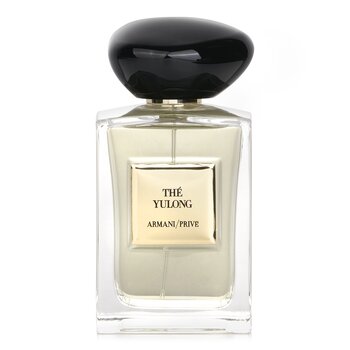

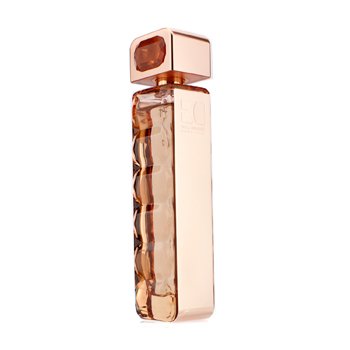
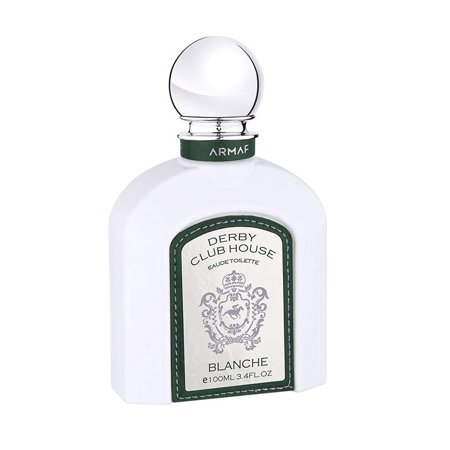
L'Occitane Néroli & Orchidée Eau de Toilette 2.6 fl.oz.
Summary
This product contains beneficial natural ingredients like Citrus Aurantium Amara Flower Oil and Vanilla Planifolia Fruit Extract, which are known for their aromatic and soothing properties. However, the presence of 'Parfum' as a fragrance component raises concerns due to its potential as an allergen and irritant, and the lack of transparency about its composition. The processing level of the product also limits its score, as it is not entirely composed of natural ingredients.
At a glance
Key ingredients 17
Alcohol Denat.Neutral
Alcohol Denat. is commonly used as a solvent in perfumes and cosmetics to help dissolve other ingredients. It evaporates quickly, which can enhance the fragrance experience. However, it can be drying to the skin if used in high concentrations.
Risks
Potential to cause skin dryness and irritation, especially for sensitive skin types.
Benefits
Helps in the quick evaporation of the product, enhancing the fragrance delivery.
ParfumBad
Parfum is a term used for fragrance, which can be a mixture of various scent chemicals. It is often criticized for being a potential allergen and irritant. The exact composition is usually undisclosed, leading to concerns about transparency.
Risks
May cause allergic reactions or skin irritation in sensitive individuals.
Benefits
Provides a pleasant scent to the product, enhancing user experience.
Citrus Aurantium Amara Flower OilGood
Citrus Aurantium Amara Flower Oil, also known as Neroli oil, is a natural essential oil known for its calming and aromatic properties. It is often used in aromatherapy and skincare for its soothing effects. The oil is derived from the flowers of the bitter orange tree.
Risks
Potential for allergic reactions in individuals sensitive to citrus oils.
Benefits
Offers calming and soothing properties, and contributes a natural fragrance.
Vanilla Planifolia Fruit ExtractGood
Vanilla Planifolia Fruit Extract is derived from the vanilla bean and is used for its aromatic properties. It is a natural ingredient that can provide a sweet and comforting scent. Additionally, it may have antioxidant properties.
Risks
Generally considered safe, but may cause irritation in very sensitive skin.
Benefits
Provides a natural, sweet fragrance and may offer antioxidant benefits.
Benzyl SalicylateNeutral
Benzyl Salicylate is a fragrance ingredient and UV light absorber. It is commonly used in perfumes and skincare products. While it enhances fragrance, it is also a known allergen for some individuals.
Risks
Potential allergen that may cause skin irritation or allergic reactions.
Benefits
Contributes to the fragrance profile and offers UV light absorption.
LimoneneNeutral
Limonene is a naturally occurring compound found in citrus fruit peels. It is used for its pleasant citrus scent and as a solvent in cleaning products. While it is natural, it can oxidize and become a skin irritant.
Risks
Can cause skin irritation or allergic reactions, especially when oxidized.
Benefits
Provides a fresh citrus scent and can act as a natural solvent.
HydroxycitronellalNeutral
Hydroxycitronellal is a fragrance ingredient used for its floral scent. It is synthetically produced and commonly used in perfumes and personal care products. It is known to be a potential allergen.
Risks
May cause allergic reactions or skin irritation in sensitive individuals.
Benefits
Adds a floral fragrance to products, enhancing the scent profile.
Alpha-Isomethyl IononeNeutral
Alpha-Isomethyl Ionone is a fragrance ingredient with a violet-like scent. It is synthetically produced and widely used in perfumes and cosmetics. It is recognized as a potential allergen.
Risks
Potential to cause allergic reactions or skin irritation.
Benefits
Contributes a pleasant floral scent to the product.
CitronellolNeutral
Citronellol is a naturally occurring fragrance compound found in rose and geranium oils. It is used for its floral scent in perfumes and cosmetics. Despite being natural, it can be an allergen for some people.
Risks
May cause skin irritation or allergic reactions in sensitive individuals.
Benefits
Provides a natural floral fragrance to products.
LinaloolNeutral
Linalool is a naturally occurring terpene alcohol found in many flowers and spice plants. It is used for its pleasant floral scent in perfumes and cosmetics. It can oxidize and become an allergen.
Risks
Potential to cause skin irritation or allergic reactions, especially when oxidized.
Benefits
Offers a pleasant floral fragrance and is derived from natural sources.
CitralNeutral
Citral is a naturally occurring compound found in the oils of several plants, including lemongrass. It is used for its strong lemon scent in perfumes and cosmetics. It is a known allergen for some individuals.
Risks
Can cause skin irritation or allergic reactions in sensitive individuals.
Benefits
Provides a strong, fresh lemon scent to products.
IsoeugenolNeutral
Isoeugenol is a fragrance ingredient with a spicy, clove-like scent. It is used in perfumes and cosmetics for its aromatic properties. It is recognized as a potential allergen.
Risks
May cause allergic reactions or skin irritation in sensitive individuals.
Benefits
Adds a spicy, clove-like fragrance to products.
FarnesolNeutral
Farnesol is a natural organic compound used as a fragrance ingredient. It is found in essential oils such as citronella and rose. It is known to be a potential allergen.
Risks
Potential to cause skin irritation or allergic reactions.
Benefits
Provides a floral fragrance and is derived from natural sources.
GeraniolNeutral
Geraniol is a naturally occurring compound found in essential oils such as rose and citronella. It is used for its sweet, floral scent in perfumes and cosmetics. It can be an allergen for some individuals.
Risks
May cause skin irritation or allergic reactions in sensitive individuals.
Benefits
Offers a sweet, floral fragrance and is derived from natural sources.
Benzyl AlcoholNeutral
Benzyl Alcohol is used as a preservative and fragrance ingredient in cosmetics. It is naturally occurring in some essential oils. While it is effective as a preservative, it can cause irritation in high concentrations.
Risks
Potential to cause skin irritation or allergic reactions.
Benefits
Acts as a preservative and provides a mild fragrance.
CI 19140Neutral
CI 19140, also known as Tartrazine, is a synthetic yellow dye used in cosmetics and food products. It is widely used for its vibrant color. However, it is a known allergen and can cause reactions in sensitive individuals.
Risks
May cause allergic reactions or hyperactivity in sensitive individuals.
Benefits
Provides a bright yellow color to products.
CI 17200Neutral
CI 17200, also known as Red 33, is a synthetic dye used in cosmetics for its red color. It is commonly used in a variety of personal care products. While generally considered safe, it can cause reactions in sensitive individuals.
Risks
Potential to cause allergic reactions or skin irritation.
Benefits
Provides a vibrant red color to products.
Processing
Processed Foods
Get the full breakdown in the Scout app
Scan any product to see lab results, healthy alternatives, and your personalized analysis.
Download on theApp Store