
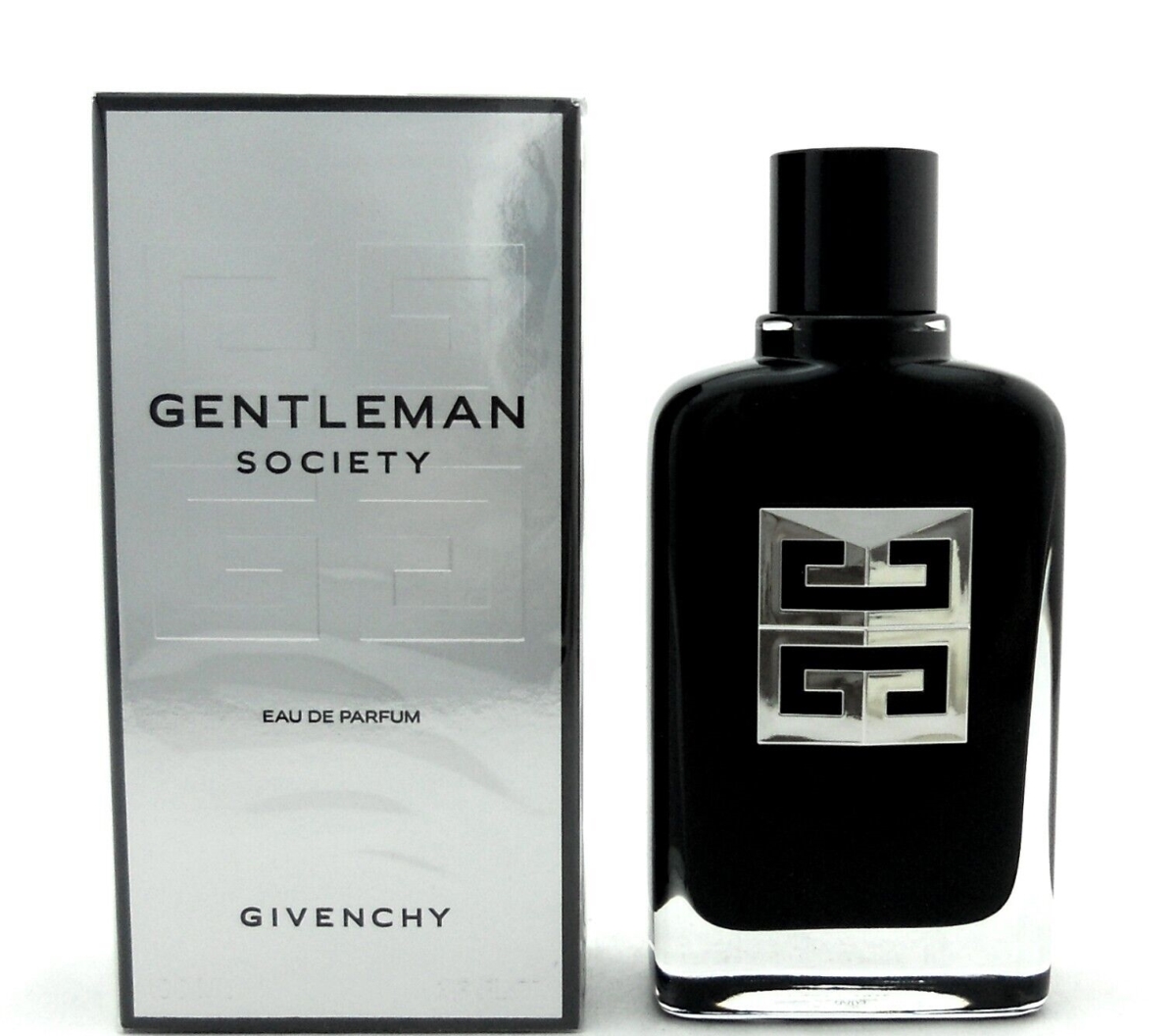


Givenchy Men's Gentleman Society Eau de Parfum Spray, 3.3 oz.
Summary
This product is a fragrance, which typically involves a high level of processing and the use of synthetic chemicals. Fragrances often contain undisclosed ingredients under the term 'parfum' or 'fragrance,' which can include phthalates and other potential endocrine disruptors. The lack of transparency in ingredient disclosure and the presence of synthetic compounds contribute to a moderate score.
At a glance
Key ingredients 14
Vanilla
Vanilla is often used in fragrances for its sweet and comforting aroma. It is derived from vanilla beans and is generally considered safe for topical use. In perfumes, it adds a warm, inviting scent.
Risks
There are minimal risks associated with vanilla in perfumes, though some individuals may experience mild allergic reactions.
Benefits
Vanilla provides a pleasant, sweet fragrance that is widely appreciated and can enhance the overall scent profile of a product.
Cardamom
Cardamom is a spice that adds a warm, spicy note to fragrances. It is derived from the seeds of plants in the ginger family. In perfumery, it is valued for its aromatic complexity.
Risks
Cardamom is generally safe, but in rare cases, it may cause skin irritation or allergic reactions.
Benefits
Cardamom contributes a unique, spicy aroma that can enhance the depth and richness of a fragrance.
Palo Santo
Palo Santo is a type of wood known for its aromatic properties and is often used in perfumes for its earthy, woody scent. It is traditionally used in spiritual practices for its calming effects.
Risks
There are minimal risks associated with Palo Santo in perfumes, though some individuals may experience mild skin irritation.
Benefits
Palo Santo adds a grounding, woody aroma that can provide a sense of calm and relaxation.
Narcissus
Narcissus is a floral ingredient used in perfumery for its rich, heady scent. It is derived from the flowers of the Narcissus plant. It adds a luxurious floral note to fragrances.
Risks
Narcissus can cause skin irritation or allergic reactions in sensitive individuals.
Benefits
Narcissus provides a deep, floral aroma that enhances the complexity and elegance of a fragrance.
Sage
Sage is an herb used in perfumery for its fresh, herbal scent. It is derived from the leaves of the sage plant and is known for its aromatic and therapeutic properties.
Risks
Sage is generally safe, but it may cause skin irritation in some individuals.
Benefits
Sage adds a fresh, herbal note that can invigorate and refresh the scent profile of a fragrance.
Vetiver
Vetiver is a grass whose roots are used in perfumery for their earthy, woody scent. It is prized for its deep, grounding aroma and is a common base note in fragrances.
Risks
Vetiver is generally considered safe, though it may cause skin irritation in sensitive individuals.
Benefits
Vetiver provides a rich, earthy aroma that adds depth and longevity to a fragrance.
Cedar
Cedar is a type of wood used in perfumery for its warm, woody scent. It is derived from the wood of cedar trees and is a popular choice for adding a natural, earthy aroma.
Risks
Cedar is generally safe, but it may cause skin irritation or allergic reactions in some individuals.
Benefits
Cedar adds a warm, woody note that enhances the natural and earthy qualities of a fragrance.
Peppermint
Peppermint is an herb known for its fresh, minty scent. It is derived from the leaves of the peppermint plant and is used in perfumery for its invigorating aroma.
Risks
Peppermint can cause skin irritation or allergic reactions, especially in sensitive individuals.
Benefits
Peppermint provides a refreshing, minty aroma that can invigorate and uplift the senses.
Nutmeg
Nutmeg is a spice used in perfumery for its warm, spicy scent. It is derived from the seeds of the nutmeg tree and adds a rich, aromatic note to fragrances.
Risks
Nutmeg can cause skin irritation or allergic reactions in some individuals.
Benefits
Nutmeg adds a warm, spicy aroma that enhances the richness and complexity of a fragrance.
Iris
Iris is a floral ingredient used in perfumery for its powdery, floral scent. It is derived from the rhizomes of the iris plant and is valued for its luxurious aroma.
Risks
Iris can cause skin irritation or allergic reactions in sensitive individuals.
Benefits
Iris provides a sophisticated, floral aroma that adds elegance and depth to a fragrance.
Daffodil
Daffodil is a floral ingredient used in perfumery for its fresh, floral scent. It is derived from the flowers of the daffodil plant and adds a bright, floral note to fragrances.
Risks
Daffodil can cause skin irritation or allergic reactions in some individuals.
Benefits
Daffodil provides a fresh, floral aroma that enhances the brightness and freshness of a fragrance.
Coffee
Coffee is used in perfumery for its rich, warm scent. It is derived from coffee beans and adds a deep, aromatic note to fragrances.
Risks
Coffee is generally safe, but it may cause skin irritation in sensitive individuals.
Benefits
Coffee adds a rich, warm aroma that enhances the depth and warmth of a fragrance.
Cedarwood
Cedarwood is a type of wood used in perfumery for its warm, woody scent. It is derived from the wood of cedar trees and is a popular choice for adding a natural, earthy aroma.
Risks
Cedarwood is generally safe, but it may cause skin irritation or allergic reactions in some individuals.
Benefits
Cedarwood adds a warm, woody note that enhances the natural and earthy qualities of a fragrance.
Sandalwood
Sandalwood is a type of wood used in perfumery for its rich, creamy scent. It is derived from the wood of sandalwood trees and is prized for its luxurious aroma.
Risks
Sandalwood is generally considered safe, though it may cause skin irritation in sensitive individuals.
Benefits
Sandalwood provides a rich, creamy aroma that adds depth and sophistication to a fragrance.
Processing
Ultra-Processed Foods
Get the full breakdown in the Scout app
Scan any product to see lab results, healthy alternatives, and your personalized analysis.
Download on theApp Store