
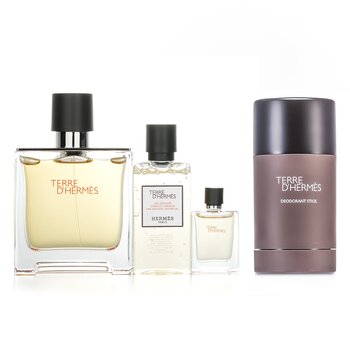

Terre d'Hermès - Alcohol-free deodorant stick at Nordstrom, Size 2.5 Oz
Summary
This deodorant contains synthetic fragrance and propylene glycol, which are concerning due to potential skin irritation and other health risks. While it is free from aluminum, the presence of these synthetic chemicals and the moderate level of processing prevent it from achieving a higher score. The inclusion of some natural ingredients like farnesol is positive, but not enough to outweigh the negatives.
At a glance
Key ingredients 9
propylene glycol
Propylene glycol is a petroleum-derived compound commonly used as a humectant. It can cause skin irritation in sensitive individuals. Its use in personal care products is controversial due to its synthetic origin.
Risks
Potential skin irritant, especially for sensitive skin.
Benefits
Helps retain moisture in the skin, preventing dryness.
aqua (water)Neutral
Water is a universal solvent used to dissolve other ingredients. It is essential for the formulation of many personal care products. It does not have any direct benefits or risks in this context.
Benefits
Acts as a solvent and carrier for other ingredients.
sodium stearateNeutral
Sodium stearate is a salt derived from stearic acid, used as a thickener and stabilizer. It helps in forming the solid structure of stick deodorants. It is generally considered safe for use in cosmetics.
Benefits
Contributes to the solid form and stability of the product.
parfum (fragrance)
Fragrance is a mixture of various scent chemicals, which can include phthalates. It is often criticized for potential skin irritation and allergic reactions. The exact composition is usually undisclosed, raising concerns about transparency.
Risks
Potential for skin irritation and allergic reactions.
Benefits
Provides a pleasant scent to the product.
cetyl alcoholNeutral
Cetyl alcohol is a fatty alcohol used as an emollient and thickener. It helps to soften and smooth the skin. It is generally considered safe and non-irritating.
Risks
Rarely, it may cause mild skin irritation.
Benefits
Moisturizes and conditions the skin.
ethylhexylglycerinNeutral
Ethylhexylglycerin is a conditioning agent and preservative enhancer. It is used to improve the efficacy of preservatives and has some antimicrobial properties. It is generally well-tolerated by the skin.
Risks
Low risk of skin irritation.
Benefits
Enhances the effectiveness of preservatives and conditions the skin.
styrene/acrylates copolymerNeutral
Styrene/acrylates copolymer is a film-forming agent used to provide a smooth application. It helps in creating a barrier on the skin. It is considered safe for use in cosmetics.
Benefits
Improves product texture and application.
farnesolNeutral
Farnesol is a natural compound used for its fragrance and antimicrobial properties. It helps in reducing odor-causing bacteria. It is generally considered safe for use in personal care products.
Risks
May cause skin irritation in sensitive individuals.
Benefits
Provides antimicrobial benefits and a pleasant scent.
limoneneNeutral
Limonene is a naturally occurring compound used for its citrus scent. It is also known for its potential antioxidant properties. However, it can oxidize and cause skin irritation in some cases.
Risks
Potential skin sensitizer when oxidized.
Benefits
Offers a fresh citrus scent and potential antioxidant benefits.
Processing
Processed Foods
Get the full breakdown in the Scout app
Scan any product to see lab results, healthy alternatives, and your personalized analysis.
Download on theApp Store