
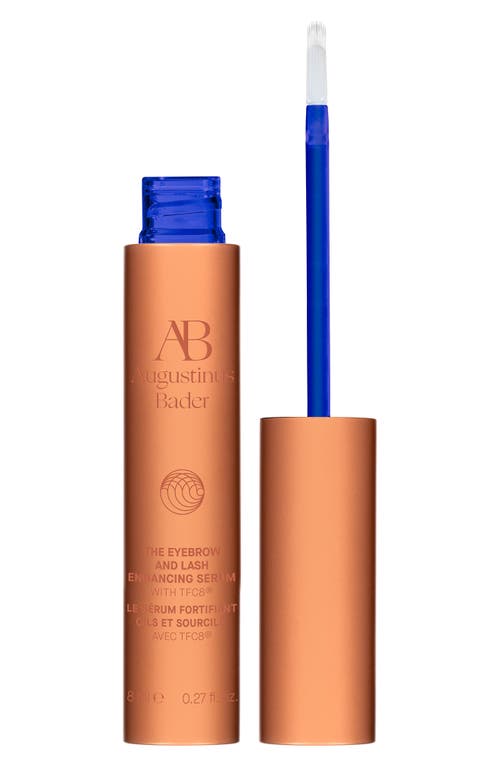
Augustinus Bader The Eyebrow and Lash Defining Serum
Analysis updated August 2026 · How Scout scores
At a glance
Summary
This serum features a clean and natural ingredient list, including beneficial components like sunflower seed oil, castor seed oil, and hydrolyzed hyaluronic acid, which provide moisturizing and skin-conditioning benefits. The absence of harsh chemicals, synthetic fragrances, and endocrine disruptors contributes to its high rating. The product is minimally processed, enhancing its appeal as a safe and effective cosmetic option.
Key ingredients 37
Helianthus Annuus (Sunflower) Seed OilVery Good
Sunflower Seed Oil is a natural oil rich in fatty acids and vitamin E. It is known for its moisturizing and skin-conditioning properties. It is non-comedogenic and suitable for all skin types.
Risks
There are minimal risks, though it may cause allergic reactions in individuals with sunflower allergies.
Benefits
It nourishes and hydrates the skin, improving its overall health and appearance.
PanthenolVery Good
Panthenol, also known as provitamin B5, is a moisturizing and soothing agent. It helps improve skin hydration and reduces inflammation. It is widely used in cosmetics for its skin-conditioning properties.
Risks
There are minimal risks, though it may cause mild irritation in sensitive individuals.
Benefits
It enhances skin moisture retention and promotes healing of damaged skin.
Ricinus Communis (Castor) Seed OilVery Good
Castor Seed Oil is a natural oil known for its moisturizing and conditioning properties. It is rich in fatty acids and helps nourish the skin and hair. It is considered safe and beneficial for all skin types.
Risks
There are minimal risks, though it may cause allergic reactions in individuals with castor oil allergies.
Benefits
It provides deep hydration and improves the health and appearance of skin and hair.
Hydrolyzed Hyaluronic AcidVery Good
Hydrolyzed Hyaluronic Acid is a low molecular weight form of hyaluronic acid. It penetrates the skin more effectively, providing deep hydration. It is considered safe and beneficial for all skin types.
Risks
There are minimal risks, though it may cause mild irritation in sensitive individuals.
Benefits
It enhances skin moisture retention and improves skin elasticity.
Aloe Barbadensis Leaf Juice PowderVery Good
Aloe Vera is known for its soothing and moisturizing properties. It helps calm irritated skin and provides hydration. It is considered safe and beneficial for all skin types.
Risks
There are minimal risks, though it may cause allergic reactions in individuals with aloe allergies.
Benefits
It soothes and hydrates the skin, promoting healing and comfort.
Camellia Sinensis Leaf ExtractVery Good
Green Tea Extract is rich in antioxidants and has anti-inflammatory properties. It helps protect the skin from environmental damage and reduces redness. It is considered safe and beneficial for all skin types.
Risks
There are minimal risks, though it may cause mild irritation in sensitive individuals.
Benefits
It provides antioxidant protection and soothes irritated skin.
TocopherolVery Good
Tocopherol, also known as vitamin E, is a powerful antioxidant. It helps protect the skin from environmental damage and supports skin health. It is considered safe and beneficial for all skin types.
Risks
There are minimal risks, though it may cause mild irritation in sensitive individuals.
Benefits
It provides antioxidant protection and improves skin texture.
Undaria Pinnatifida ExtractGood
Undaria Pinnatifida Extract is derived from seaweed and is rich in antioxidants. It helps protect the skin from environmental damage and supports skin health. It is considered safe and beneficial in cosmetic formulations.
Risks
There are no significant risks associated with this ingredient.
Benefits
It provides antioxidant protection and helps maintain skin elasticity.
GlycerinGood
Glycerin is a well-known humectant that attracts moisture to the skin. It helps maintain skin hydration and improves barrier function. It is safe and effective for all skin types.
Risks
There are minimal risks, though excessive use may lead to a sticky feeling on the skin.
Benefits
It provides long-lasting hydration and supports skin health.
Carthamus Tinctorius Flower ExtractGood
Carthamus Tinctorius Flower Extract is derived from safflower and is rich in antioxidants. It helps protect the skin from environmental damage and supports skin health. It is considered safe and beneficial in cosmetic formulations.
Risks
There are no significant risks associated with this ingredient.
Benefits
It provides antioxidant protection and helps maintain skin elasticity.
Hibiscus Sabdariffa Flower ExtractGood
Hibiscus Sabdariffa Flower Extract is rich in antioxidants and natural acids. It helps exfoliate the skin and improve its texture. It is considered safe and beneficial in cosmetic formulations.
Risks
There are minimal risks, though it may cause mild irritation in sensitive individuals.
Benefits
It provides gentle exfoliation and antioxidant protection.
BiotinGood
Biotin, also known as vitamin B7, is a water-soluble vitamin that supports skin and hair health. It is often used in cosmetics to strengthen hair and improve its appearance. It is considered safe and beneficial.
Risks
There are minimal risks, though excessive use may lead to skin irritation.
Benefits
It helps strengthen hair and supports healthy skin function.
Hydrolyzed Rice ProteinGood
Hydrolyzed Rice Protein is a plant-derived protein that helps strengthen and condition hair. It is known for its moisturizing and protective properties. It is considered safe and beneficial in cosmetic formulations.
Risks
There are minimal risks, though it may cause mild irritation in sensitive individuals.
Benefits
It improves hair strength and elasticity, reducing breakage.
Sodium HyaluronateGood
Sodium Hyaluronate is a salt form of hyaluronic acid known for its hydrating properties. It helps retain moisture in the skin and improve its elasticity. It is considered safe and beneficial for all skin types.
Risks
There are minimal risks, though it may cause mild irritation in sensitive individuals.
Benefits
It provides long-lasting hydration and supports skin health.
Tocopheryl AcetateGood
Tocopheryl Acetate is a form of vitamin E known for its antioxidant properties. It helps protect the skin from environmental damage and supports skin health. It is considered safe and beneficial for all skin types.
Risks
There are minimal risks, though it may cause mild irritation in sensitive individuals.
Benefits
It provides antioxidant protection and improves skin texture.
Oligopeptide-177Good
Oligopeptide-177 is a peptide used for its anti-aging and skin-conditioning properties. It helps improve skin texture and reduce the appearance of fine lines. It is considered safe and beneficial for most skin types.
Risks
There are minimal risks, though it may cause mild irritation in sensitive individuals.
Benefits
It supports skin elasticity and reduces signs of aging.
Sisymbrium Irio Seed OilGood
Sisymbrium Irio Seed Oil is a natural oil known for its moisturizing and conditioning properties. It helps nourish the skin and improve its texture. It is considered safe and beneficial for all skin types.
Risks
There are minimal risks, though it may cause allergic reactions in individuals with seed oil allergies.
Benefits
It provides deep hydration and improves the health and appearance of skin.
Aqua/Water/EauNeutral
Aqua is commonly used as a solvent in cosmetic formulations. It helps dissolve other ingredients and provides a base for the product. It is generally considered safe and non-reactive.
Risks
There are no significant risks associated with water in cosmetic formulations.
Benefits
Water acts as a carrier for active ingredients, ensuring they are evenly distributed.
Polyglyceryl-10 StearateNeutral
Polyglyceryl-10 Stearate is an emulsifier that helps blend oil and water components. It is derived from natural sources and is considered safe for use in cosmetics. It is non-irritating and suitable for sensitive skin.
Risks
There are minimal risks associated with this ingredient, though some individuals may experience mild irritation.
Benefits
It helps stabilize formulations, improving texture and consistency.
Pentylene GlycolNeutral
Pentylene Glycol is a synthetic humectant and solvent. It helps retain moisture in the skin and enhances the penetration of other ingredients. It is generally considered safe for use in cosmetics.
Risks
In rare cases, it may cause mild irritation or allergic reactions.
Benefits
It provides moisturizing benefits and improves the efficacy of active ingredients.
PropanediolNeutral
Propanediol is a glycol used as a solvent and humectant in cosmetics. It helps improve the texture and spreadability of products. It is considered safe and non-irritating for most skin types.
Risks
In rare cases, it may cause mild irritation or allergic reactions.
Benefits
It enhances the absorption of active ingredients and provides moisturizing benefits.
Polyglyceryl-3 DiisostearateNeutral
Polyglyceryl-3 Diisostearate is an emulsifier that helps blend oil and water components. It is derived from natural sources and is considered safe for use in cosmetics. It is non-irritating and suitable for sensitive skin.
Risks
There are minimal risks associated with this ingredient, though some individuals may experience mild irritation.
Benefits
It helps stabilize formulations, improving texture and consistency.
CarbomerNeutral
Carbomer is a synthetic polymer used as a thickening agent in cosmetics. It helps stabilize emulsions and improve product texture. It is considered safe and non-irritating for most skin types.
Risks
There are minimal risks, though it may cause mild irritation in sensitive individuals.
Benefits
It enhances the consistency and stability of formulations.
Citric AcidNeutral
Citric Acid is used to adjust the pH of cosmetic formulations. It is derived from citrus fruits and is generally considered safe. It is non-irritating at low concentrations.
Risks
In high concentrations, it may cause irritation or sensitivity.
Benefits
It helps maintain the stability and efficacy of formulations by balancing pH levels.
O-Cymen-5-OlNeutral
O-Cymen-5-Ol is a synthetic antimicrobial agent used to preserve cosmetics. It helps prevent the growth of bacteria and fungi. It is considered safe for use in cosmetics at low concentrations.
Risks
In rare cases, it may cause mild irritation or allergic reactions.
Benefits
It helps extend the shelf life of products by preventing microbial contamination.
MaltodextrinNeutral
Maltodextrin is a polysaccharide used as a binding and stabilizing agent in cosmetics. It helps improve the texture and consistency of products. It is considered safe and non-irritating for most skin types.
Risks
There are minimal risks, though it may cause mild irritation in sensitive individuals.
Benefits
It enhances the stability and performance of formulations.
Chondrus Crispus (Carrageenan) ExtractNeutral
Carrageenan Extract is derived from red algae and is used as a thickening agent in cosmetics. It helps improve the texture and stability of formulations. It is considered safe and non-irritating for most skin types.
Risks
There are minimal risks, though it may cause mild irritation in sensitive individuals.
Benefits
It enhances the consistency and stability of formulations.
Sodium HydroxideNeutral
Sodium Hydroxide is used to adjust the pH of cosmetic formulations. It is effective at low concentrations and is generally considered safe. It is non-irritating when used appropriately.
Risks
In high concentrations, it may cause irritation or sensitivity.
Benefits
It helps maintain the stability and efficacy of formulations by balancing pH levels.
Lactic AcidNeutral
Standard formulation ingredient — neither beneficial nor harmful at typical use.
Risks
In high concentrations, it may cause irritation or sensitivity.
Benefits
It provides gentle exfoliation and enhances skin moisture retention.
Hydrogenated LecithinNeutral
Hydrogenated Lecithin is used as an emulsifier and skin-conditioning agent in cosmetics. It helps improve the texture and stability of formulations. It is considered safe and non-irritating for most skin types.
Risks
There are minimal risks, though it may cause mild irritation in sensitive individuals.
Benefits
It enhances the consistency and performance of formulations.
Xanthan GumNeutral
Xanthan Gum is a natural thickening agent used in cosmetics. It helps stabilize emulsions and improve product texture. It is considered safe and non-irritating for most skin types.
Risks
There are minimal risks, though it may cause mild irritation in sensitive individuals.
Benefits
It enhances the consistency and stability of formulations.
Alanyl GlutamineNeutral
Alanyl Glutamine is a dipeptide used for its skin-conditioning properties. It helps improve skin hydration and elasticity. It is considered safe and non-irritating for most skin types.
Risks
There are minimal risks, though it may cause mild irritation in sensitive individuals.
Benefits
It enhances skin moisture retention and supports skin health.
ArginineNeutral
Arginine is an amino acid used for its skin-conditioning properties. It helps improve skin hydration and elasticity. It is considered safe and non-irritating for most skin types.
Risks
There are minimal risks, though it may cause mild irritation in sensitive individuals.
Benefits
It enhances skin moisture retention and supports skin health.
PhenylalanineNeutral
Phenylalanine is an amino acid used for its skin-conditioning properties. It helps improve skin hydration and elasticity. It is considered safe and non-irritating for most skin types.
Risks
There are minimal risks, though it may cause mild irritation in sensitive individuals.
Benefits
It enhances skin moisture retention and supports skin health.
Sodium ChlorideNeutral
Sodium Chloride, also known as salt, is used as a thickening agent in cosmetics. It helps improve the texture and stability of formulations. It is considered safe and non-irritating for most skin types.
Risks
In high concentrations, it may cause irritation or dryness.
Benefits
It enhances the consistency and stability of formulations.
Sodium BenzoateBad
Synthetic preservative that can form benzene in the presence of vitamin C.
Risks
In rare cases, it may cause mild irritation or allergic reactions.
Benefits
It helps extend the shelf life of products by preventing spoilage.
Potassium SorbateBad
Synthetic preservative — flagged in daily-use products.
Risks
In rare cases, it may cause mild irritation or allergic reactions.
Benefits
It helps extend the shelf life of products by preventing spoilage.
Get the full breakdown in the Scout appTake Scout shopping
Scan any product to see lab results, healthy alternatives, and your personalized analysis.
Download on theApp Store GET IT ONGoogle PlayAmazon pricing & content
Amazon price as of . Product prices and availability are accurate as of the date/time indicated and are subject to change. Any price and availability information displayed on Amazon.com at the time of purchase will apply to the purchase of this product.
CERTAIN CONTENT THAT APPEARS ON THIS SITE COMES FROM AMAZON. THIS CONTENT IS PROVIDED “AS IS” AND IS SUBJECT TO CHANGE OR REMOVAL AT ANY TIME.