
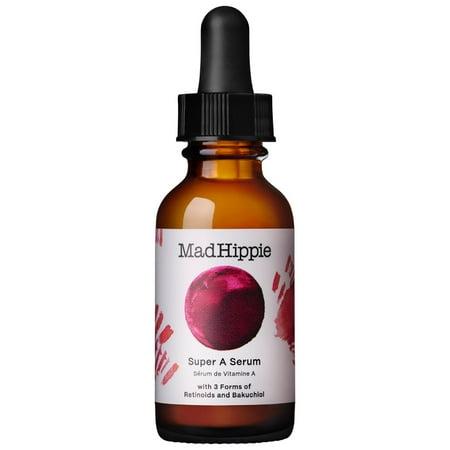
Mad Hippie Mad Hippie Serum 1.02 oz
Analysis updated August 2026 · How Scout scores
At a glance
Summary
This serum features a clean and natural ingredient list, with beneficial components like Vitamin C, Hyaluronic Acid, and Aloe Vera, which are known for their antioxidant and hydrating properties. The absence of harmful chemicals or synthetic additives enhances its safety profile, making it a top-tier choice for skincare. The product is minimally processed, further contributing to its high rating.
Key ingredients 18
Vitamin C (Sodium Ascorbyl Phosphate)Very Good
Vitamin C is a potent antioxidant that helps protect the skin from free radical damage. Sodium Ascorbyl Phosphate is a stable form of Vitamin C, making it suitable for cosmetic formulations. It is known to brighten the skin and improve its texture.
Risks
In rare cases, it may cause mild irritation or allergic reactions in sensitive individuals.
Benefits
It enhances skin radiance and reduces signs of aging, such as fine lines and wrinkles.
Aloe Barbadensis LeafVery Good
Aloe Vera is renowned for its soothing and hydrating properties. It helps calm irritated skin and provides moisture without a greasy feel. It is widely used in skincare for its ability to improve skin health and appearance.
Risks
There are no significant risks associated with aloe vera, though it may cause mild irritation in very sensitive skin.
Benefits
It soothes and hydrates the skin, promoting a healthy and calm complexion.
Vitamin E (Tocotrienol)Very Good
Vitamin E is a powerful antioxidant that helps protect the skin from oxidative stress. Tocotrienol is a form of Vitamin E that is particularly effective in skincare. It helps improve skin texture and provides anti-aging benefits.
Risks
There are no significant risks associated with Vitamin E, though it may cause mild irritation in very sensitive skin.
Benefits
It provides antioxidant protection and helps improve skin elasticity and smoothness.
Ferulic AcidVery Good
Ferulic Acid is an antioxidant that helps stabilize and enhance the efficacy of other antioxidants like Vitamin C and E. It provides protection against environmental damage and helps improve skin tone. It is commonly used in anti-aging skincare formulations.
Risks
There are no significant risks associated with ferulic acid, though it may cause mild irritation in very sensitive skin.
Benefits
It enhances the effectiveness of other antioxidants and provides additional protection against environmental stressors.
Chamomile Flower Extract (Recutita Matricaria)Very Good
Chamomile extract is known for its calming and anti-inflammatory properties. It helps soothe irritated skin and reduce redness. It is widely used in skincare for its gentle and effective soothing benefits.
Risks
There are no significant risks associated with chamomile extract, though it may cause mild irritation in very sensitive skin.
Benefits
It calms and soothes the skin, reducing irritation and promoting a healthy complexion.
Vegetable GlycerinGood
Vegetable Glycerin is a humectant that attracts moisture to the skin, helping to keep it hydrated. It is derived from plant oils and is known for its soothing properties. It is widely used in cosmetics for its ability to improve skin barrier function.
Risks
There are no significant risks associated with glycerin, though overuse may lead to a sticky feeling on the skin.
Benefits
It helps maintain skin hydration and can improve the skin's resilience and smoothness.
GlycerinGood
Glycerin is a well-known humectant that draws moisture into the skin, providing hydration. It is effective in improving skin barrier function and elasticity. It is a common ingredient in skincare products due to its moisturizing properties.
Risks
Excessive use may lead to a sticky residue on the skin.
Benefits
It enhances skin hydration and helps maintain a healthy skin barrier.
Clary Sage (Salvia Sclarea)Good
Clary Sage is a botanical extract known for its soothing and anti-inflammatory properties. It is used in cosmetics to help calm and balance the skin. It is also believed to have antioxidant benefits.
Risks
In rare cases, it may cause allergic reactions in sensitive individuals.
Benefits
It helps soothe irritated skin and provides antioxidant protection.
Grapefruit (Citrus Grandis)Good
Grapefruit extract is rich in antioxidants and vitamins, which help protect the skin from environmental damage. It is known for its refreshing and toning properties. It can also help brighten the skin and improve its texture.
Risks
May cause photosensitivity, so it is advisable to use sunscreen when using products containing grapefruit extract.
Benefits
It provides antioxidant protection and helps improve skin tone and texture.
Hyaluronic AcidGood
Hyaluronic Acid is a powerful humectant that can hold up to 1000 times its weight in water, making it excellent for hydration. It helps plump the skin and reduce the appearance of fine lines. It is widely used in skincare for its ability to improve skin moisture levels.
Risks
There are no significant risks associated with hyaluronic acid, though it may cause mild irritation in very sensitive skin.
Benefits
It provides intense hydration and helps maintain a youthful, plump appearance.
Deionized WaterNeutral
Deionized water is used as a solvent in cosmetic formulations. It helps dissolve other ingredients and ensures a smooth application. It is chemically neutral and does not react with other ingredients.
Risks
There are no known risks associated with deionized water in cosmetics.
Benefits
It provides a base for the serum, allowing other active ingredients to be effectively delivered to the skin.
Alkyl BenzoateNeutral
Alkyl Benzoate is an emollient that helps improve the texture and feel of cosmetic products. It provides a silky, smooth finish and enhances the spreadability of the serum. It is commonly used in skincare for its non-greasy feel.
Risks
There are minimal risks associated with Alkyl Benzoate, though it may cause mild irritation in very sensitive skin.
Benefits
It helps to soften and smooth the skin, improving the overall sensory experience of the product.
Sodium LevulinateNeutral
Sodium Levulinate is a skin conditioning agent and preservative derived from levulinic acid. It helps maintain the stability and shelf-life of cosmetic products. It is considered safe for use in cosmetics.
Risks
There are minimal risks associated with Sodium Levulinate, though it may cause mild irritation in sensitive individuals.
Benefits
It helps preserve the product and maintain its efficacy over time.
Sodium AnisateNeutral
Sodium Anisate is a preservative and skin conditioning agent derived from anise. It helps protect cosmetic formulations from microbial contamination. It is considered safe for use in skincare products.
Risks
There are minimal risks associated with Sodium Anisate, though it may cause mild irritation in sensitive individuals.
Benefits
It helps ensure the product remains safe and effective for use over time.
Amorphophallus Konjac Root PowderNeutral
Konjac Root Powder is used as a thickening agent and texture enhancer in cosmetics. It is derived from the konjac plant and is known for its ability to improve the feel of skincare products. It is considered safe for use in cosmetics.
Risks
There are minimal risks associated with konjac root powder, though it may cause mild irritation in sensitive individuals.
Benefits
It helps improve the texture and application of the product.
Sodium PhytateNeutral
Sodium Phytate is a chelating agent that helps stabilize cosmetic formulations by binding metal ions. It is derived from phytic acid and is considered safe for use in cosmetics. It helps improve the stability and shelf-life of the product.
Risks
There are minimal risks associated with sodium phytate, though it may cause mild irritation in sensitive individuals.
Benefits
It helps maintain the stability and efficacy of the product over time.
Xanthan GumNeutral
Xanthan Gum is a thickening agent used to improve the texture and consistency of cosmetic products. It is derived from natural sources and is considered safe for use in skincare. It helps ensure a smooth and even application of the product.
Risks
There are minimal risks associated with xanthan gum, though it may cause mild irritation in sensitive individuals.
Benefits
It enhances the texture and application of the product, providing a pleasant user experience.
Hydroxyethyl CelluloseNeutral
Hydroxyethyl Cellulose is a thickening and stabilizing agent used in cosmetics. It helps improve the texture and consistency of the product, ensuring a smooth application. It is derived from cellulose and is considered safe for use in skincare.
Risks
There are minimal risks associated with hydroxyethyl cellulose, though it may cause mild irritation in sensitive individuals.
Benefits
It helps improve the texture and stability of the product, enhancing the overall user experience.
Get the full breakdown in the Scout appTake Scout shopping
Scan any product to see lab results, healthy alternatives, and your personalized analysis.
Download on theApp Store GET IT ONGoogle PlayAmazon pricing & content
Amazon price as of . Product prices and availability are accurate as of the date/time indicated and are subject to change. Any price and availability information displayed on Amazon.com at the time of purchase will apply to the purchase of this product.
CERTAIN CONTENT THAT APPEARS ON THIS SITE COMES FROM AMAZON. THIS CONTENT IS PROVIDED “AS IS” AND IS SUBJECT TO CHANGE OR REMOVAL AT ANY TIME.