

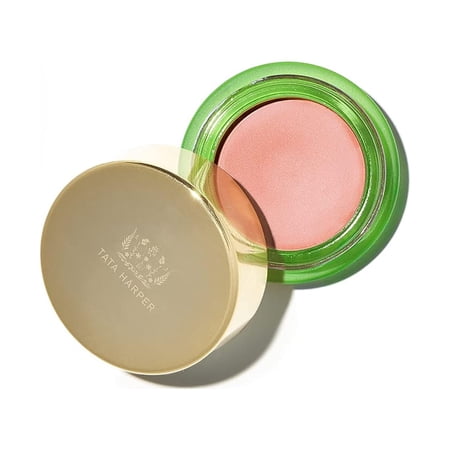


DIOR Rosy Glow Blush in 001 Pink at Nordstrom
Summary
This blush contains a mix of synthetic and natural ingredients, with some synthetic preservatives and colorants that are common in cosmetics. While it does not contain highly concerning chemicals like parabens or formaldehyde releasers, the presence of synthetic fragrance and other additives slightly lowers its safety profile. The product is moderately processed, which affects its overall rating.
At a glance
Key ingredients 10
Synthetic Fluorphlogopite
Synthetic fluorphlogopite is a synthetic version of mica, used to add shimmer and shine to cosmetics. It is considered safe for use in cosmetics and is often used as a filler. It is stable and does not react with other ingredients.
Risks
There are minimal risks associated with synthetic fluorphlogopite, though it can cause irritation if inhaled in large quantities.
Benefits
It provides a smooth, shimmery finish to products, enhancing their aesthetic appeal.
Mica
Mica is a naturally occurring mineral dust used in cosmetics for its shimmering appearance. It is widely used in makeup products to provide a glittery effect. Mica is generally considered safe for use in cosmetics.
Risks
Inhalation of mica particles can cause respiratory issues, and there are concerns about ethical sourcing.
Benefits
Mica adds a luminous glow to the skin, enhancing the visual appeal of makeup products.
Dimethicone
Dimethicone is a type of silicone used in cosmetics to provide a smooth application and to lock in moisture. It forms a barrier on the skin, preventing water loss. It is non-comedogenic and generally considered safe for use.
Risks
Some individuals may experience skin irritation or allergic reactions to dimethicone.
Benefits
It helps to improve the texture and feel of products, making them glide on smoothly.
Lauroyl Lysine
Lauroyl lysine is an amino acid derivative used in cosmetics to improve texture and spreadability. It is derived from coconut oil and lysine, an essential amino acid. It is considered safe and non-irritating.
Risks
There are minimal risks associated with lauroyl lysine, though allergic reactions are possible.
Benefits
It enhances the smoothness and adherence of makeup products to the skin.
Boron Nitride
Boron nitride is used in cosmetics for its lubricating properties and ability to provide a soft-focus effect. It helps to improve the texture and feel of products. It is considered safe for use in cosmetics.
Risks
There are minimal risks associated with boron nitride, though inhalation of powder forms should be avoided.
Benefits
It provides a silky texture and enhances the appearance of the skin by diffusing light.
Microcrystalline Cellulose
Microcrystalline cellulose is used in cosmetics as a bulking agent and to improve the texture of products. It is derived from plant fibers and is considered safe for use. It helps to stabilize emulsions and improve product consistency.
Risks
There are minimal risks associated with microcrystalline cellulose, though it can cause irritation if inhaled.
Benefits
It enhances the texture and stability of cosmetic formulations.
Zinc Stearate
Zinc stearate is used in cosmetics as a lubricant and thickening agent. It helps to improve the texture and spreadability of products. It is considered safe for use in cosmetics.
Risks
There are minimal risks associated with zinc stearate, though inhalation of powder forms should be avoided.
Benefits
It provides a smooth, silky feel to products and helps them adhere better to the skin.
Silica
Silica is used in cosmetics for its oil-absorbing properties and ability to provide a matte finish. It is a naturally occurring mineral and is considered safe for use. It helps to improve the texture and feel of products.
Risks
Inhalation of silica particles can cause respiratory issues, though this is more of a concern in industrial settings.
Benefits
It helps to control shine and provides a smooth, matte finish to the skin.
Trihydroxystearin
Trihydroxystearin is used in cosmetics as a thickening agent and to improve the texture of products. It is derived from stearic acid and is considered safe for use. It helps to stabilize emulsions and improve product consistency.
Risks
There are minimal risks associated with trihydroxystearin, though allergic reactions are possible.
Benefits
It enhances the texture and stability of cosmetic formulations.
Magnesium
Magnesium is used in cosmetics for its ability to improve skin texture and appearance. It is a mineral that is essential for various bodily functions. It is considered safe for use in cosmetics.
Risks
There are minimal risks associated with magnesium in cosmetics, though excessive use can lead to skin irritation.
Benefits
It helps to improve skin texture and provides a healthy glow.
Processing
Processed Foods
Get the full breakdown in the Scout app
Scan any product to see lab results, healthy alternatives, and your personalized analysis.
Download on theApp Store