


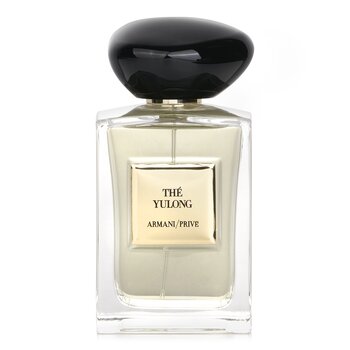
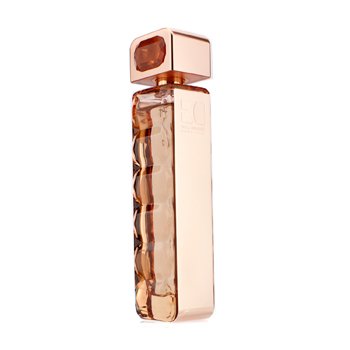

Burberry Her Blossom Eau de Toilette, 3.3-oz.
Summary
This product is a fragrance, which typically involves a high level of processing and synthetic ingredients. Fragrances often contain synthetic compounds that can be potential irritants or allergens. The ultra-processed nature of this product limits its score, despite the absence of direct nutritional concerns.
At a glance
Key ingredients 14
Alcohol Denat.
Alcohol Denat. is commonly used as a solvent in cosmetics and personal care products. It helps dissolve other ingredients and enhances the penetration of active ingredients. However, it can be drying to the skin.
Risks
It may cause skin irritation and dryness, especially in sensitive skin types.
Benefits
It acts as an effective solvent and can help in the quick drying of products.
Aqua/Water/Eau
Water is a universal solvent and is used as a base in many cosmetic products. It helps dissolve other ingredients and provides hydration. It is generally considered safe and non-irritating.
Risks
There are no significant risks associated with water in cosmetics.
Benefits
It provides hydration and acts as a solvent for other ingredients.
Parfum/Fragrance
Fragrance is added to products to provide a pleasant scent. It is a common ingredient in perfumes and personal care products. However, it can be a mixture of various chemicals.
Risks
Fragrance can cause allergic reactions and skin irritation in sensitive individuals.
Benefits
It enhances the sensory experience of the product by providing a pleasant scent.
Ethylhexyl Methoxycinnamate
Ethylhexyl Methoxycinnamate is a UV filter used in sunscreens and cosmetics to protect the skin from UVB rays. It helps prevent sunburn and skin damage. However, it can cause skin irritation in some individuals.
Risks
There are concerns about its potential to disrupt hormones and cause skin irritation.
Benefits
It provides protection against UVB radiation, reducing the risk of sunburn.
Benzyl Salicylate
Benzyl Salicylate is used as a fragrance ingredient and UV light absorber. It helps stabilize the scent and protect the product from UV degradation. However, it can cause allergic reactions in sensitive individuals.
Risks
It may cause skin irritation and allergic reactions.
Benefits
It stabilizes fragrance and provides UV protection for the product.
Hydroxycitronellal
Hydroxycitronellal is a fragrance ingredient used for its floral scent. It is commonly found in perfumes and scented products. However, it can cause allergic reactions in some people.
Risks
It may cause skin sensitization and allergic reactions.
Benefits
It provides a pleasant floral scent to the product.
Butyl Methoxydibenzoylmethane
Butyl Methoxydibenzoylmethane is a UVA filter used in sunscreens and cosmetics. It helps protect the skin from UVA rays, which can cause premature aging. However, it can degrade in sunlight, reducing its effectiveness.
Risks
There are concerns about its stability in sunlight and potential to cause skin irritation.
Benefits
It provides protection against UVA radiation, helping to prevent skin aging.
Limonene
Limonene is a fragrance ingredient with a citrus scent. It is used to enhance the aroma of products. However, it can oxidize and cause skin irritation.
Risks
Oxidized limonene can cause skin irritation and allergic reactions.
Benefits
It provides a fresh citrus scent to the product.
Linalool
Linalool is a fragrance ingredient with a floral scent. It is commonly used in perfumes and scented products. However, it can cause allergic reactions in sensitive individuals.
Risks
It may cause skin irritation and allergic reactions.
Benefits
It provides a pleasant floral aroma to the product.
Geraniol
Geraniol is a fragrance ingredient with a rose-like scent. It is used to enhance the fragrance profile of products. However, it can cause skin sensitization.
Risks
It may cause skin irritation and allergic reactions.
Benefits
It provides a rose-like scent to the product.
Citronellol
Citronellol is a fragrance ingredient with a floral scent. It is used to enhance the aroma of products. However, it can cause skin sensitization and allergic reactions.
Risks
It may cause skin irritation and allergic reactions.
Benefits
It provides a floral scent to the product.
Coumarin
Coumarin is a fragrance ingredient with a sweet scent. It is used to enhance the fragrance profile of products. However, it can cause allergic reactions in some individuals.
Risks
It may cause skin irritation and allergic reactions.
Benefits
It provides a sweet scent to the product.
Citral
Citral is a fragrance ingredient with a lemon scent. It is used to enhance the aroma of products. However, it can cause skin sensitization and allergic reactions.
Risks
It may cause skin irritation and allergic reactions.
Benefits
It provides a lemon scent to the product.
BHT
BHT is an antioxidant used to prevent the oxidation of ingredients in cosmetics. It helps extend the shelf life of products. However, there are concerns about its potential health effects.
Risks
There are concerns about its potential to cause skin irritation and disrupt hormones.
Benefits
It helps stabilize the product and extend its shelf life.
Processing
Ultra-Processed Foods
Get the full breakdown in the Scout app
Scan any product to see lab results, healthy alternatives, and your personalized analysis.
Download on theApp Store