
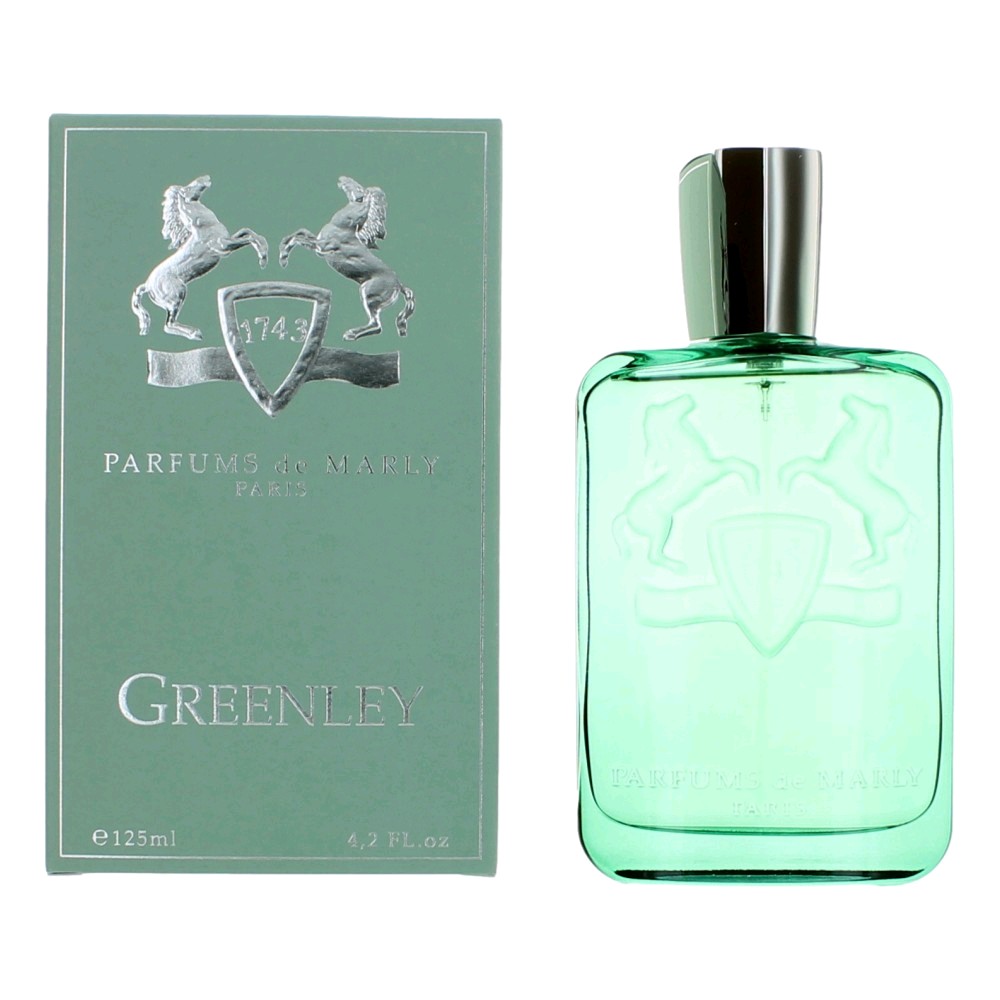



Parfums de Marly Greenley Fragrance at Nordstrom, Size 4.2 Oz
Summary
This fragrance contains alcohol denat., which can be drying and irritating to the skin, and parfum, a term that encompasses a range of undisclosed synthetic chemicals that may cause allergic reactions. The lack of transparency in the ingredient list and the presence of potentially irritating components contribute to a moderate processing level, impacting the overall safety and quality of the product.
At a glance
Key ingredients 15
Alcohol denat.Bad
Alcohol denat. is primarily used as a solvent in fragrances, which can be drying to the skin. It is often derived from ethanol and denatured to prevent consumption, which involves adding chemicals that can be irritating. Prolonged exposure may lead to skin irritation or dryness, especially in sensitive individuals.
Risks
Potential risks include skin irritation and dryness due to its dehydrating properties.
Parfum (fragrance)Very Bad
Parfum is a generic term for fragrance compounds, which can include a variety of synthetic chemicals. These compounds are often undisclosed and can cause allergic reactions or sensitivities in some individuals. The lack of transparency in ingredient disclosure makes it difficult to assess safety comprehensively.
Risks
Potential risks include allergic reactions, skin irritation, and respiratory issues due to undisclosed synthetic chemicals.
Aqua (water)Neutral
Aqua, or water, is used as a solvent in many cosmetic products. It is typically purified to remove impurities and ensure safety in formulations. In this context, it serves as a neutral base without significant health impacts.
See more about Aqua (water) →LimoneneNeutral
Limonene is a naturally occurring compound found in citrus fruit peels, used for its fragrance. It is generally considered safe but can oxidize and cause skin irritation in sensitive individuals. Its pleasant scent is the primary reason for its inclusion in fragrances.
Risks
Potential risks include skin irritation upon oxidation, especially in sensitive individuals.
Sicilian bergamotNeutral
Sicilian bergamot is used for its aromatic properties, providing a fresh citrus scent. It is derived from the peel of the bergamot orange and is generally safe in topical applications. Its primary role is to enhance the fragrance profile of the product.
Mandarin orangeNeutral
Mandarin orange is included for its sweet citrus aroma, commonly used in perfumery. It is extracted from the peel of the fruit and is considered safe for topical use. Its main function is to contribute to the fragrance's complexity.
Green appleNeutral
Green apple is used for its crisp and fresh scent, adding a fruity note to the fragrance. It is typically derived from natural sources and is safe for use in perfumes. Its inclusion is primarily for olfactory enhancement.
Cashmere woodNeutral
Cashmere wood is a synthetic fragrance note that mimics the scent of soft woods and musk. It is used to add depth and warmth to the fragrance profile. While generally safe, it is a synthetic compound and may cause sensitivities in some individuals.
Risks
Potential risks include skin sensitivities in some individuals due to its synthetic nature.
CedarwoodNeutral
Cedarwood is a natural essential oil used for its woody aroma, often extracted through steam distillation. It is considered safe and adds a grounding note to fragrances. Its primary role is to enhance the scent profile.
PetitgrainNeutral
Petitgrain is an essential oil derived from the leaves and twigs of the bitter orange tree, used for its fresh and floral scent. It is generally safe and adds a light, green note to fragrances. Its inclusion is primarily for aromatic purposes.
VioletNeutral
Violet is used for its sweet, floral fragrance, often derived from the leaves of the plant. It is considered safe and adds a delicate note to the fragrance composition. Its primary function is to enhance the scent profile.
PomaroseNeutral
Pomarose is a synthetic fragrance ingredient that combines apple and rose notes, used to add complexity to scents. It is generally safe but synthetic, which may cause sensitivities in some individuals. Its main purpose is to enhance the fragrance's olfactory appeal.
Risks
Potential risks include skin sensitivities due to its synthetic nature.
OakmossNeutral
Oakmoss is a natural lichen used for its earthy and woody scent, commonly found in perfumes. It is generally safe but can cause allergic reactions in sensitive individuals. Its primary role is to add depth and richness to the fragrance.
Risks
Potential risks include allergic reactions in sensitive individuals.
MuskNeutral
Musk is a fragrance note that can be derived from natural or synthetic sources, used for its warm and sensual scent. It is generally safe but synthetic musks may cause sensitivities in some individuals. Its inclusion is primarily for enhancing the fragrance's depth.
Risks
Potential risks include skin sensitivities due to synthetic variants.
Amberwood accordNeutral
Amberwood accord is a synthetic fragrance note that combines woody and amber elements, used to add warmth and complexity. It is generally safe but synthetic, which may cause sensitivities in some individuals. Its primary function is to enhance the fragrance's olfactory profile.
Risks
Potential risks include skin sensitivities due to its synthetic nature.
Processing
Processed Foods
Get the full breakdown in the Scout app
Scan any product to see lab results, healthy alternatives, and your personalized analysis.
Download on theApp Store