
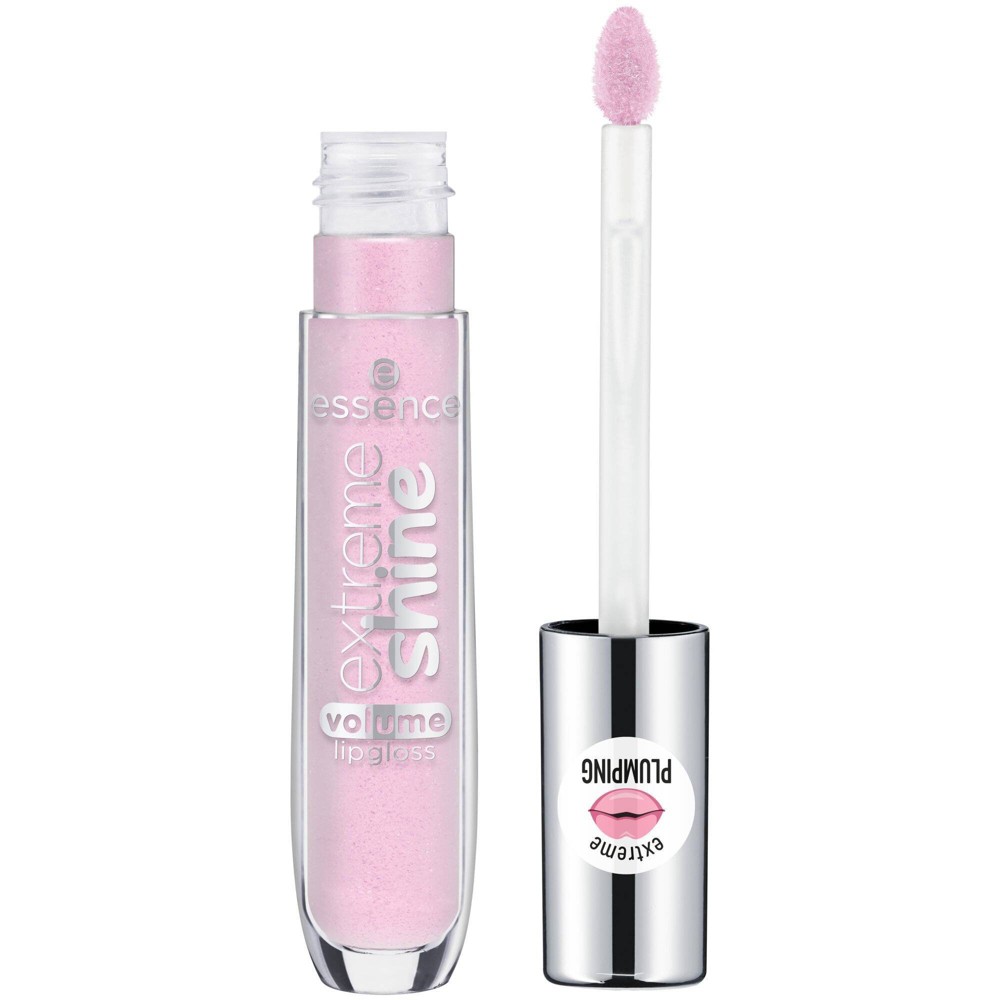


essence Extreme Shine Volume Lip Gloss - 102 Sweet Dreams - 0.17 fl oz: Oil-Free, Vegan, Paraben-Free, Preservative-Free
Analysis updated September 2026 · How Scout scores
At a glance
Summary
This lip gloss contains a mix of synthetic ingredients, including polybutene and hydrogenated polyisobutene, which are generally considered safe but are not natural. The presence of synthetic aroma can be a concern for those with sensitivities, and the use of artificial colorants like Red 6 and Blue 1 Lake may raise questions for some consumers. However, the product is free from parabens and preservatives, which is a positive aspect for ingredient safety.
Key ingredients 21
Caprylic/Capric TriglycerideGood
Caprylic/Capric Triglyceride is a mixed triester derived from coconut oil and glycerin. It is used as an emollient and skin-conditioning agent. It is well-tolerated and considered safe.
Risks
There are minimal risks, primarily related to potential skin irritation in very sensitive individuals.
Benefits
It provides excellent skin conditioning and moisturizing properties.
MicaGood
Beneficial ingredient — whole-food or functional value in this product class.
Risks
Inhalation of fine mica particles may pose respiratory risks.
Benefits
It provides a shimmering effect and enhances the visual appeal of the product.
Ci 77491 (Iron Oxides)Good
Beneficial ingredient — whole-food or functional value in this product class.
Risks
There are minimal risks associated with iron oxides.
Benefits
They provide natural and stable color to the product.
PolybuteneNeutral
Polybutene is a synthetic polymer used as a binder and film-forming agent in cosmetics. It helps to create a smooth and glossy finish. It is generally considered safe for use in cosmetics.
Risks
There are minimal risks associated with polybutene, primarily related to potential skin irritation in sensitive individuals.
Benefits
Polybutene provides a glossy finish and helps in the even application of the product.
Hydrogenated PolyisobuteneNeutral
Hydrogenated Polyisobutene is a synthetic emollient used to enhance the texture and feel of cosmetic products. It is known for its moisturizing properties. It is considered safe for use in cosmetics.
Risks
There are minimal risks, with rare cases of skin irritation reported.
Benefits
It provides a smooth application and helps to lock in moisture.
OctyldodecanolNeutral
Octyldodecanol is a fatty alcohol used as an emollient and emulsifier in cosmetics. It helps to improve the texture and spreadability of products. It is generally regarded as safe.
Risks
Potential for mild skin irritation in sensitive individuals.
Benefits
It enhances the smoothness and spreadability of the product.
Silica Dimethyl SilylateNeutral
Silica Dimethyl Silylate is a modified silica used to thicken and stabilize formulations. It provides a matte finish and improves product stability. It is considered safe for use in cosmetics.
Risks
Inhalation of fine particles may pose respiratory risks.
Benefits
It helps to control shine and improve the stability of the product.
Trimethylolpropane TriisostearateNeutral
This ingredient is an ester used as an emollient and skin conditioning agent. It helps to improve the texture and feel of the product. It is considered safe for use in cosmetics.
Risks
Minimal risks, with rare cases of skin irritation reported.
Benefits
It provides a smooth and silky feel to the product.
Hydrogenated Styrene/Isoprene CopolymerNeutral
This copolymer is used as a film-forming agent and thickener in cosmetics. It helps to provide a glossy finish and improve product stability. It is generally considered safe.
Risks
There are minimal risks associated with this ingredient.
Benefits
It enhances the gloss and stability of the product.
MentholNeutral
Menthol is a naturally occurring compound with a cooling sensation. It is used to provide a refreshing feel in cosmetic products. It is generally considered safe.
Risks
Potential for skin irritation or allergic reactions in sensitive individuals.
Benefits
It provides a cooling and refreshing sensation.
Caprylyl GlycolNeutral
Caprylyl Glycol is a skin-conditioning agent and preservative booster. It helps to improve the moisture content of the skin. It is considered safe for use in cosmetics.
Risks
Minimal risks, with rare cases of skin irritation reported.
Benefits
It enhances skin hydration and product preservation.
Benzyl NicotinateNeutral
Benzyl Nicotinate is used as a vasodilator in cosmetics, providing a warming sensation. It is generally considered safe for use in cosmetics.
Risks
Potential for skin irritation or redness in sensitive individuals.
Benefits
It provides a warming sensation and may enhance blood flow.
Synthetic FluorphlogopiteNeutral
Synthetic Fluorphlogopite is a synthetic mica used to add shimmer and shine to cosmetics. It is considered safe for use in cosmetics.
Risks
There are minimal risks associated with this ingredient.
Benefits
It provides a shimmering effect and enhances the visual appeal of the product.
Octyldodecyl Stearoyl StearateNeutral
This ingredient is an ester used as an emollient and thickening agent. It helps to improve the texture and feel of the product. It is considered safe for use in cosmetics.
Risks
Minimal risks, with rare cases of skin irritation reported.
Benefits
It enhances the smoothness and spreadability of the product.
Barium SulfateNeutral
Barium Sulfate is used as a pigment and opacifying agent in cosmetics. It is considered safe for use in cosmetics.
Risks
There are minimal risks associated with this ingredient.
Benefits
It provides opacity and enhances the color of the product.
VP/Hexadecene CopolymerNeutral
This copolymer is used as a film-forming agent in cosmetics. It helps to provide a glossy finish and improve product stability. It is generally considered safe.
Risks
There are minimal risks associated with this ingredient.
Benefits
It enhances the gloss and stability of the product.
Ci 15850 (Red 6)Neutral
Red 6 is a synthetic dye used to impart color to cosmetics. It is approved for use in cosmetics by regulatory agencies. It is generally considered safe.
Risks
There are minimal risks, primarily related to potential skin irritation in sensitive individuals.
Benefits
It provides vibrant color to the product.
Ci 15850 (Red 7 Lake)Neutral
Red 7 Lake is a synthetic dye used to impart color to cosmetics. It is approved for use in cosmetics by regulatory agencies. It is generally considered safe.
Risks
There are minimal risks, primarily related to potential skin irritation in sensitive individuals.
Benefits
It provides vibrant color to the product.
Ci 42090 (Blue 1 Lake)Neutral
Blue 1 Lake is a synthetic dye used to impart color to cosmetics. It is approved for use in cosmetics by regulatory agencies. It is generally considered safe.
Risks
There are minimal risks, primarily related to potential skin irritation in sensitive individuals.
Benefits
It provides vibrant color to the product.
Ci 77891 (Titanium Dioxide)Neutral
Titanium Dioxide is used as a pigment and opacifying agent in cosmetics. It is considered safe for use in cosmetics.
Risks
Inhalation of fine particles may pose respiratory risks.
Benefits
It provides opacity and enhances the color of the product.
Aroma (Flavor)Bad
Aroma or flavor in cosmetics can include a variety of synthetic or natural compounds. It is often used to enhance the sensory experience of the product. However, it can cause allergic reactions or irritation in sensitive individuals.
Risks
Potential for allergic reactions or irritation, especially in sensitive individuals.
Benefits
It enhances the sensory experience of the product.
Get the full breakdown in the Scout appTake Scout shopping
Scan any product to see lab results, healthy alternatives, and your personalized analysis.
Download on theApp Store GET IT ONGoogle PlayAmazon pricing & content
Amazon price as of . Product prices and availability are accurate as of the date/time indicated and are subject to change. Any price and availability information displayed on Amazon.com at the time of purchase will apply to the purchase of this product.
CERTAIN CONTENT THAT APPEARS ON THIS SITE COMES FROM AMAZON. THIS CONTENT IS PROVIDED “AS IS” AND IS SUBJECT TO CHANGE OR REMOVAL AT ANY TIME.