


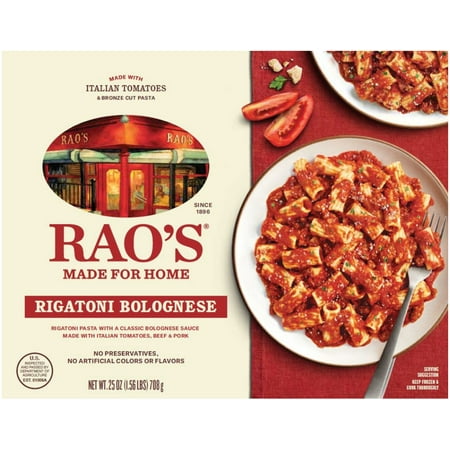
Pizza Bolognese
Summary
This pizza contains beneficial ingredients like mozzarella, Parmigiano Reggiano, and dried herbs, which provide protein, calcium, and antioxidants. However, the presence of ground sausage, a processed meat high in saturated fats and sodium, raises health concerns. The product's processing level limits its score, as it includes processed components and additives typical of such foods.
At a glance
Key ingredients 7
Bolognese sauceNeutral
Bolognese sauce is a traditional Italian meat-based sauce typically made with tomatoes, minced beef, and various seasonings. The nutritional quality can vary depending on the specific ingredients and preparation methods used. It provides flavor and protein but may contain added sugars or preservatives depending on the recipe.
Risks
Potential risks include high sodium content and the presence of preservatives or added sugars in some recipes.
Benefits
Provides protein and essential nutrients from meat and tomatoes, contributing to the overall flavor and nutritional profile of the dish.
Pizza baseNeutral
The pizza base is typically made from wheat flour, water, yeast, and salt. It serves as the foundation of the pizza, providing carbohydrates and some fiber. The nutritional value depends on the type of flour used and any additional ingredients.
Risks
May contain refined flour, which can lead to rapid spikes in blood sugar levels.
Benefits
Provides carbohydrates for energy and can be a source of fiber if whole grain flour is used.
MozzarellaGood
Mozzarella is a cheese made from cow's milk, known for its mild flavor and creamy texture. It is a good source of protein and calcium, essential for bone health. Fresh mozzarella is less processed and contains fewer additives compared to other cheeses.
Risks
Contains lactose, which may cause digestive issues for those with lactose intolerance.
Benefits
Rich in protein and calcium, supporting muscle function and bone health.
Parmigiano ReggianoVery Good
Parmigiano Reggiano is a high-quality, aged cheese known for its rich flavor and nutritional benefits. It is a good source of protein, calcium, and phosphorus. The aging process enhances its digestibility and flavor profile.
Risks
Contains lactose, which may be problematic for those with lactose intolerance, although it is generally lower in lactose than other cheeses.
Benefits
Provides essential nutrients like calcium and phosphorus, supporting bone health and metabolic functions.
Dried herbsVery Good
Dried herbs such as oregano and basil add flavor and aroma to dishes without adding calories. They are rich in antioxidants and have anti-inflammatory properties. Using herbs can enhance the taste and nutritional profile of meals.
Benefits
Rich in antioxidants and can provide anti-inflammatory benefits, enhancing the overall health profile of the dish.
Red wineNeutral
Red wine is often used in cooking to add depth of flavor and complexity to dishes. It contains antioxidants like resveratrol, which may offer health benefits. However, the alcohol content is typically reduced during cooking.
Risks
Excessive consumption of alcohol can lead to health issues, but cooking generally reduces the alcohol content significantly.
Benefits
Contains antioxidants that may offer cardiovascular benefits, although these are largely diminished during cooking.
Ground sausageBad
Ground sausage is a processed meat product that can be high in saturated fats and sodium. It often contains preservatives and additives to enhance flavor and shelf life. Regular consumption of processed meats is associated with increased health risks.
Risks
High in saturated fats and sodium, which can contribute to cardiovascular diseases if consumed in excess.
Benefits
Provides protein and flavor, but these benefits are outweighed by potential health risks associated with processed meats.
Processing
Processed Foods
Get the full breakdown in the Scout app
Scan any product to see lab results, healthy alternatives, and your personalized analysis.
Download on theApp Store