

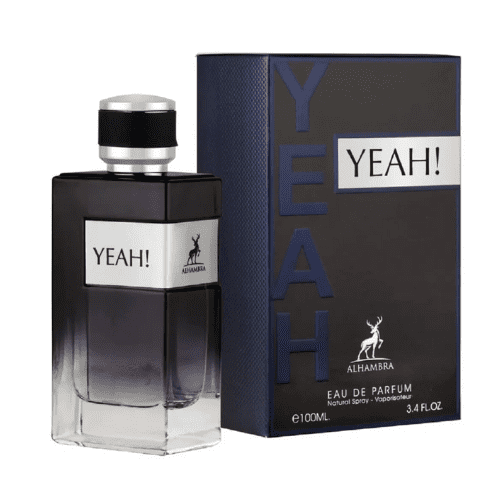

Lattafa Liam Grey By Lattafa 3.4 Oz
Summary
The product contains a mix of synthetic and potentially concerning ingredients, which affects its safety profile. While it does not include the most harmful chemicals like PTFE or parabens, the presence of synthetic fragrance and other processed components lowers its overall rating. The processing level indicates a moderate degree of formulation complexity, which further impacts the score.
At a glance
Key ingredients 11
Alcohol
Alcohol is commonly used as a solvent in perfumes and cosmetics. It helps dissolve other ingredients and evaporates quickly, leaving the fragrance on the skin. However, it can be drying to the skin if used in high concentrations.
Risks
Potential to cause skin dryness and irritation, especially for sensitive skin types.
Benefits
Acts as an effective solvent and helps in the quick evaporation of the product.
Water
Water is a universal solvent and is used as a base in many cosmetic products. It helps to dissolve other ingredients and provides a medium for them to interact. In perfumes, it helps to dilute the fragrance to the desired concentration.
Risks
Generally considered safe with no significant risks.
Benefits
Provides hydration and acts as a carrier for other ingredients.
Perfume
Perfume is used to impart a pleasant scent to cosmetic products. It is a mixture of fragrant essential oils and aroma compounds. However, the term 'perfume' can encompass a wide range of chemicals, some of which may cause allergic reactions.
Risks
Potential to cause allergic reactions and skin irritation in sensitive individuals.
Benefits
Enhances the sensory experience by providing a pleasant fragrance.
Limonene
Limonene is a naturally occurring compound found in the peels of citrus fruits. It is used for its pleasant citrus scent and as a solvent in cleaning products. However, it can oxidize and become a skin irritant.
Risks
May cause skin irritation or allergic reactions upon oxidation.
Benefits
Provides a fresh citrus scent and acts as a natural solvent.
Citronellol
Citronellol is a naturally occurring fragrance compound found in rose and geranium oils. It is used for its floral scent in perfumes and cosmetics. It can cause allergic reactions in some individuals.
Risks
Potential allergen that may cause skin irritation or sensitization.
Benefits
Contributes a pleasant floral fragrance to products.
Linalol
Linalol is a naturally occurring terpene alcohol found in many flowers and spice plants. It is used for its pleasant floral scent in perfumes and cosmetics. It can cause allergic reactions in some individuals.
Risks
May cause skin irritation or allergic reactions in sensitive individuals.
Benefits
Provides a floral fragrance and has potential calming effects.
Coumarin
Coumarin is a fragrant organic chemical compound found in many plants. It is used for its sweet scent reminiscent of vanilla and almonds. However, it can cause allergic reactions in some individuals.
Risks
Potential allergen that may cause skin irritation or sensitization.
Benefits
Adds a sweet, pleasant fragrance to products.
Citral
Citral is a naturally occurring compound with a strong lemon scent. It is used in perfumes and cosmetics for its fresh citrus aroma. It can cause allergic reactions in some individuals.
Risks
May cause skin irritation or allergic reactions in sensitive individuals.
Benefits
Provides a fresh lemon scent and has antimicrobial properties.
Geraniol
Geraniol is a naturally occurring compound found in essential oils such as rose and citronella. It is used for its pleasant rose-like scent in perfumes and cosmetics. It can cause allergic reactions in some individuals.
Risks
Potential allergen that may cause skin irritation or sensitization.
Benefits
Contributes a rose-like fragrance and has potential insect-repelling properties.
Iso-Eugenol
Iso-Eugenol is a fragrance compound used for its spicy, clove-like scent. It is found in various essential oils and used in perfumes and cosmetics. It can cause allergic reactions in some individuals.
Risks
May cause skin irritation or allergic reactions in sensitive individuals.
Benefits
Provides a warm, spicy fragrance to products.
Eugenol
Eugenol is a naturally occurring compound with a spicy, clove-like aroma. It is used in perfumes and cosmetics for its fragrance and potential antiseptic properties. It can cause allergic reactions in some individuals.
Risks
Potential allergen that may cause skin irritation or sensitization.
Benefits
Adds a spicy, clove-like scent and has potential antiseptic properties.
Processing
Processed Foods
Get the full breakdown in the Scout app
Scan any product to see lab results, healthy alternatives, and your personalized analysis.
Download on theApp Store