
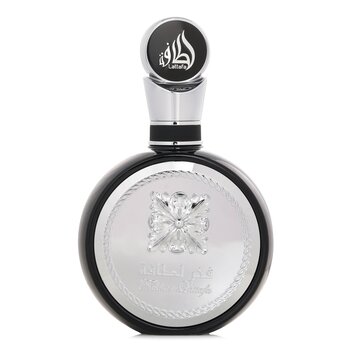

LattafaFakhar Black Eau De Parfum Spray 100ml/3.4oz
Summary
This product is a fragrance, which typically involves a high level of processing and often includes synthetic ingredients. While specific ingredients are not listed, perfumes generally contain a mix of natural and synthetic compounds, including potential allergens and synthetic fragrances. The processing level and potential presence of synthetic chemicals influence the score, as these factors can impact ingredient safety and overall product quality.
At a glance
Key ingredients 9
ALCOHOL DENATURED
Alcohol denatured is commonly used as a solvent in perfumes and cosmetics. It helps dissolve other ingredients and evaporates quickly, leaving the fragrance on the skin. However, it can be drying to the skin if used in high concentrations.
Risks
Potential risks include skin dryness and irritation, especially for sensitive skin types.
Benefits
It aids in the quick evaporation of the product, enhancing the fragrance experience.
BENZYL SALICYLATE
Benzyl salicylate is a fragrance ingredient and UV light absorber. It is often used to enhance the scent profile of a product. It can cause allergic reactions in some individuals.
Risks
Potential risks include skin sensitization and allergic reactions.
Benefits
It contributes to the overall fragrance and provides some UV protection.
CITRAL
Citral is a fragrance component with a strong lemon scent. It is used to impart a fresh citrus aroma to products. It can be an allergen for some people.
Risks
Potential risks include skin irritation and allergic reactions.
Benefits
It provides a pleasant citrus fragrance to the product.
CITRONELLOL
Citronellol is a fragrance ingredient with a floral scent, often used in perfumes and cosmetics. It is derived from plants such as rose and geranium. It may cause allergic reactions in sensitive individuals.
Risks
Potential risks include skin sensitization and allergic reactions.
Benefits
It adds a floral note to the fragrance profile.
EUGENOL
Eugenol is a fragrance ingredient with a spicy, clove-like aroma. It is used to add depth to the scent of a product. It can be an allergen for some people.
Risks
Potential risks include skin irritation and allergic reactions.
Benefits
It enhances the fragrance with a warm, spicy note.
GERANIOL
Geraniol is a fragrance ingredient with a rose-like scent. It is used to impart a floral aroma to products. It can cause allergic reactions in some individuals.
Risks
Potential risks include skin sensitization and allergic reactions.
Benefits
It provides a pleasant floral fragrance.
LIMONENE
Limonene is a fragrance ingredient with a citrus scent, commonly used in perfumes and cosmetics. It is derived from the peels of citrus fruits. It can oxidize and become a skin sensitizer.
Risks
Potential risks include skin irritation and allergic reactions upon oxidation.
Benefits
It adds a fresh citrus note to the fragrance.
LINALOOL
Linalool is a fragrance ingredient with a floral and spicy aroma. It is used to enhance the scent profile of a product. It can be an allergen for some people.
Risks
Potential risks include skin sensitization and allergic reactions.
Benefits
It contributes a floral and spicy note to the fragrance.
PARFUM
Parfum is a term used for fragrance mixtures in cosmetics. It is used to provide a pleasant scent to products. However, it can contain undisclosed ingredients that may cause allergic reactions.
Risks
Potential risks include skin irritation and allergic reactions due to undisclosed components.
Benefits
It provides a complex and appealing fragrance to the product.
Processing
Processed Foods
Get the full breakdown in the Scout app
Scan any product to see lab results, healthy alternatives, and your personalized analysis.
Download on theApp Store