
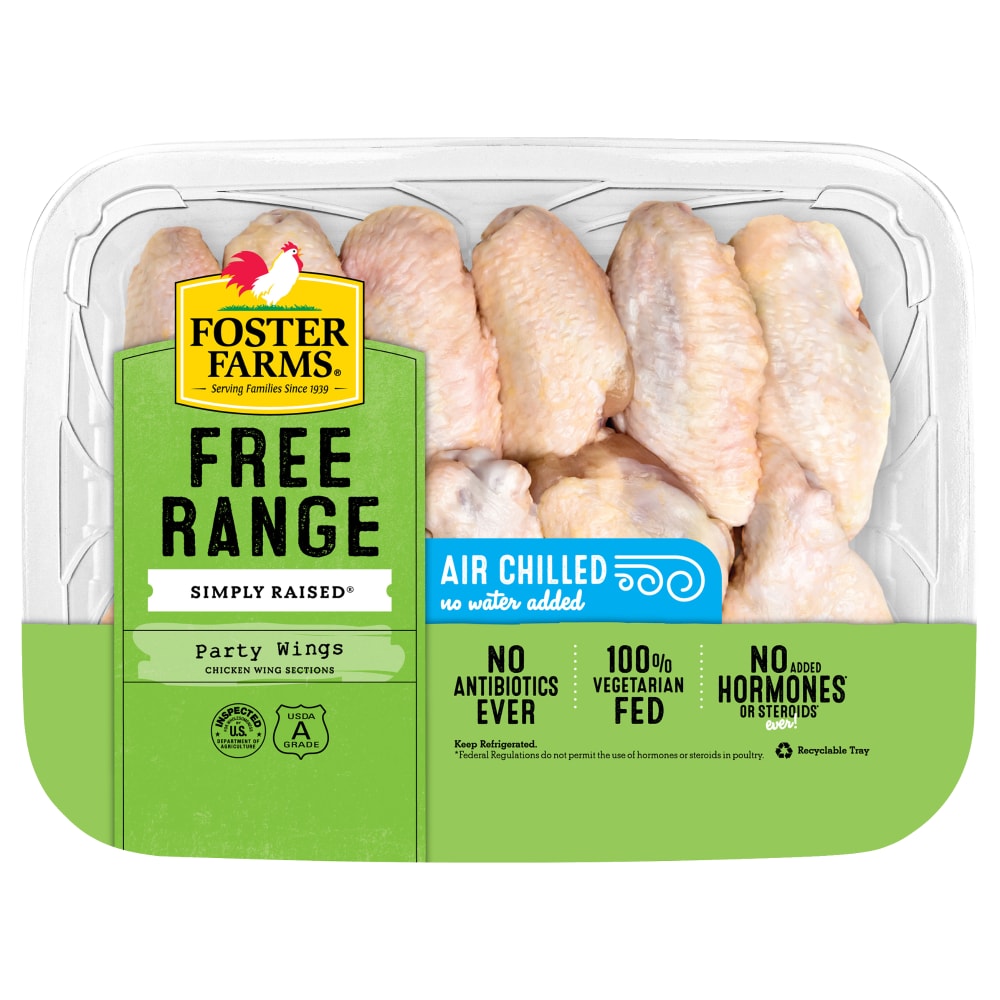


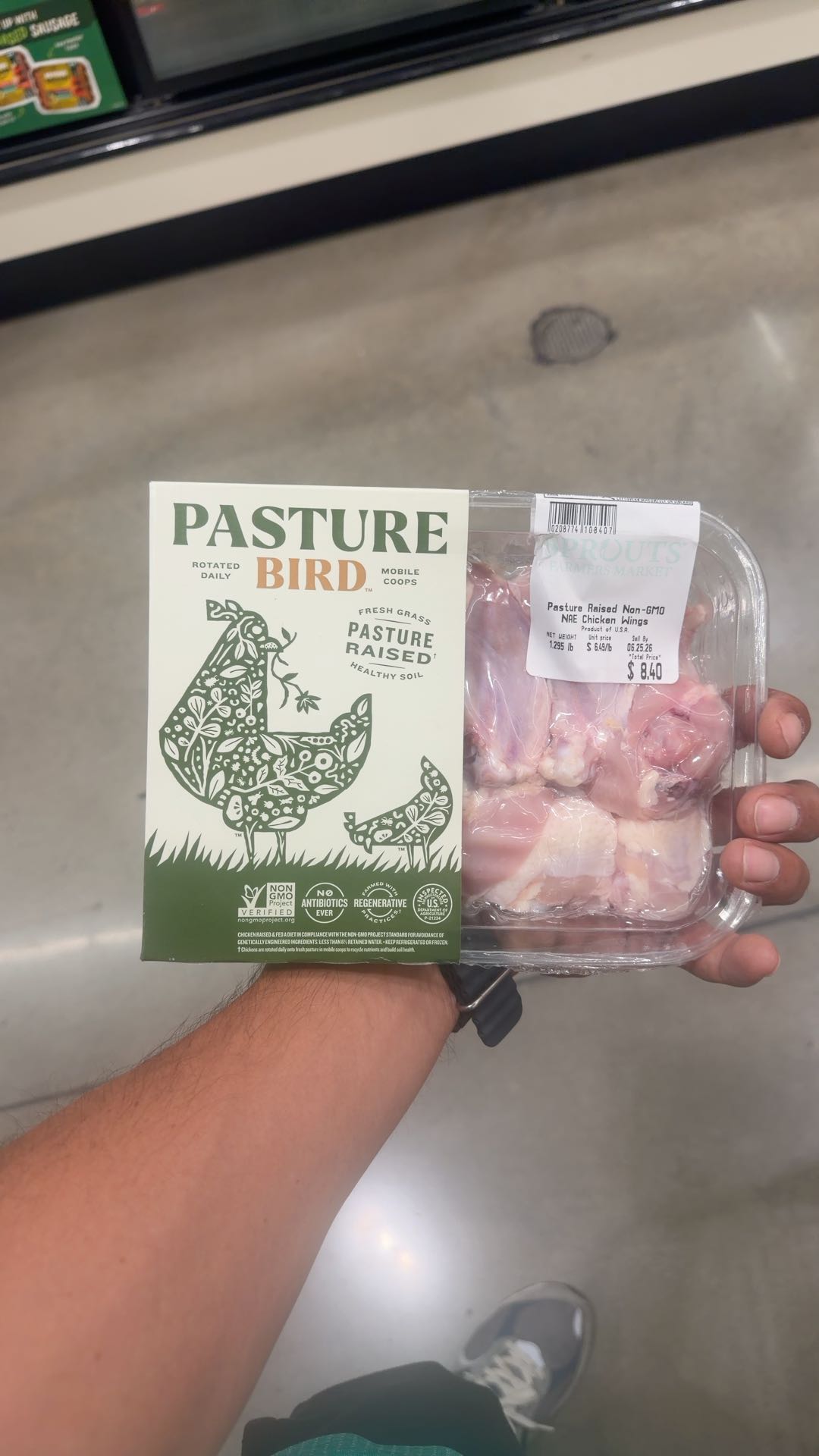
CHICKEN PARTY WINGS
Summary
The chicken party wings are processed and contain sodium phosphates and dextrose, which are additives that can contribute to health issues such as kidney damage and increased blood sugar levels. While the chicken wings themselves provide high-quality protein, the presence of these additives and the level of processing limit the overall healthiness of the product.
At a glance
Key ingredients 8
Chicken WingsGood
Chicken wings are a source of high-quality animal protein. They provide essential amino acids necessary for muscle repair and growth. When sourced from well-raised chickens, they can also offer beneficial fats.
Risks
Potential risks include high cholesterol and saturated fat content if consumed in excess.
Benefits
Rich in protein and essential nutrients, supporting muscle health and overall nutrition.
WaterNeutral
Water is used as a processing aid and does not contribute significant nutritional value. It helps maintain moisture in the product. There are no health concerns associated with water as an ingredient.
See more about Water →SaltNeutral
Salt is used for flavor enhancement and preservation. It is a common culinary ingredient but does not provide additional nutrients beyond sodium. Excessive consumption can lead to health issues such as hypertension.
Risks
High sodium intake can contribute to hypertension and cardiovascular issues.
Benefits
Enhances flavor and acts as a preservative in food products.
Food StarchNeutral
Food starch is used as a thickening agent and stabilizer. It is typically derived from corn, potato, or tapioca and is highly processed. It does not provide significant nutritional benefits.
Benefits
Provides texture and stability to food products.
Sodium PhosphatesBad
Sodium phosphates are used as emulsifiers and preservatives. They are highly processed and can contribute to an imbalance in phosphate levels in the body. Excessive intake may lead to health issues such as kidney damage.
Risks
High phosphate intake can lead to kidney damage and cardiovascular issues.
Benefits
Helps maintain moisture and improve texture in processed foods.
DextroseBad
Dextrose is a simple sugar used as a sweetener and preservative. It is highly processed and can contribute to increased blood sugar levels. Regular consumption of added sugars is linked to various health issues.
Risks
May contribute to obesity, insulin resistance, and other metabolic disorders.
Benefits
Provides sweetness and acts as a preservative in food products.
Long Grain Rice FlourNeutral
Long grain rice flour is used as a gluten-free alternative to wheat flour. It is minimally processed and provides carbohydrates. It does not offer significant nutritional benefits beyond energy.
Benefits
Serves as a gluten-free carbohydrate source.
SeasoningNeutral
Seasoning is used to enhance flavor and may contain a blend of spices and herbs. The specific composition is not detailed, which limits precise analysis. Generally, seasonings can add flavor without significant nutritional impact.
Risks
Potential for hidden additives or allergens if not specified.
Benefits
Enhances flavor and palatability of food products.
Processing
Processed Foods
Get the full breakdown in the Scout app
Scan any product to see lab results, healthy alternatives, and your personalized analysis.
Download on theApp Store