

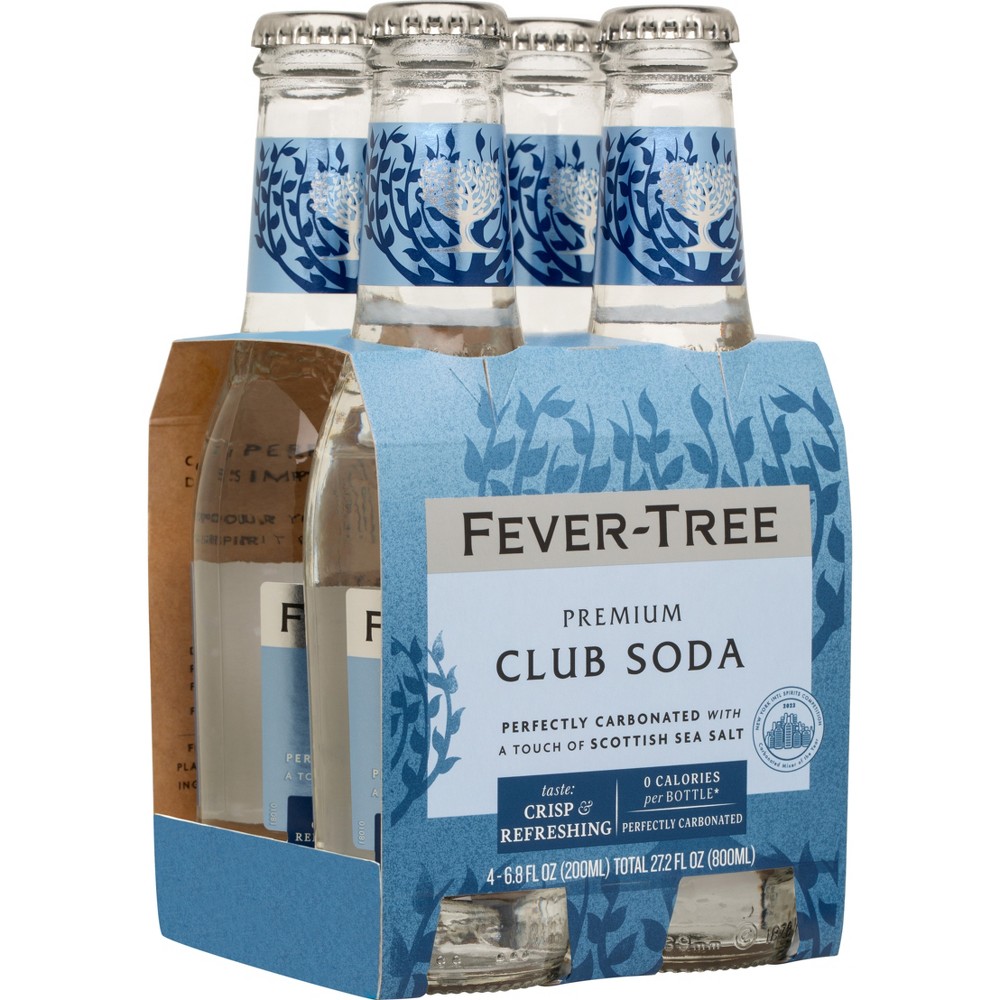


At a glance
Summary
This beverage is ultra-processed and contains natural flavors, which can be a catch-all term for undisclosed additives. Despite having a clean label with minimal harmful ingredients, the presence of multiple additives and the high level of processing limit its score. The product's ingredient list is otherwise straightforward, with carbonated water and minerals, but the processing level imposes a significant cap on its rating.
Key ingredients 6
Carbonated WaterNeutral
Carbonated water is simply water that has been infused with carbon dioxide gas under pressure. It is generally considered neutral as it does not provide significant nutritional benefits or risks. It is a common base for many beverages.
See more about Carbonated Water →Sodium BicarbonateNeutral
Sodium bicarbonate is used as a leavening agent and can help neutralize acidity. It is generally safe in small amounts but does not provide significant nutritional benefits. It is commonly used in beverages to regulate acidity.
Risks
Excessive consumption may lead to an imbalance in electrolytes.
Potassium BicarbonateNeutral
Potassium bicarbonate is used to regulate acidity and as a leavening agent. It is generally safe in small amounts but does not provide significant nutritional benefits. It helps maintain the pH balance in beverages.
Risks
Excessive intake may lead to hyperkalemia, especially in individuals with kidney issues.
Magnesium ChlorideNeutral
Magnesium chloride is used to enhance mineral content and improve taste. It is generally safe and can contribute to daily magnesium intake. However, the amounts in beverages are typically too low to have a significant impact.
Risks
Excessive intake may cause digestive issues.
Benefits
Provides a small amount of magnesium, which is essential for various bodily functions.
Sodium SulfateNeutral
Sodium sulfate is used as a drying agent and to regulate acidity. It is generally considered safe in small amounts but does not provide significant nutritional benefits. It is often used in the processing of beverages.
Risks
High doses may cause gastrointestinal discomfort.
Natural FlavorsBad
Natural flavors are often used to enhance taste but can be a catch-all term for various additives. The lack of transparency in what constitutes 'natural flavors' can be concerning. They may contain solvents or preservatives that are not disclosed.
Risks
Potential allergens and undisclosed additives may pose health risks.
Processing
Ultra-Processed Foods
Get the full breakdown in the Scout appTake Scout shopping
Scan any product to see lab results, healthy alternatives, and your personalized analysis.
Download on theApp Store GET IT ONGoogle Play