

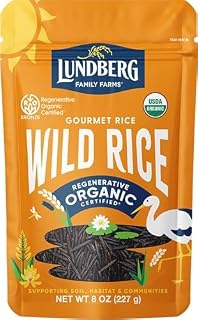


At a glance
Summary
This product contains basmati rice, which is a beneficial whole grain, but it is processed and includes canola oil, a highly processed seed oil that can promote inflammation. Additionally, the presence of soy lecithin, a refined emulsifier, contributes to its processed nature. These factors, combined with the processing level, limit its overall healthiness despite the presence of a nutritious grain.
Key ingredients 8
Basmati RiceGood
Basmati rice is a whole grain that provides carbohydrates and some protein. It is minimally processed and retains some of its natural nutrients. It is a staple food that can be part of a balanced diet.
Benefits
Provides a source of energy and contains essential nutrients like B vitamins and minerals.
NiacinamideGood
Vitamin B3 — evidence-backed skin and metabolic benefits.
Risks
High doses can cause flushing and liver damage.
Benefits
Supports energy metabolism and may improve skin health.
WaterNeutral
Water is a neutral ingredient used as a solvent or carrier in food products. It does not contribute any calories or nutrients. It is essential for hydration but does not provide additional health benefits in this context.
See more about Water →Calcium CarbonateNeutral
Calcium carbonate is used as a calcium supplement and food additive. It is a common source of calcium in fortified foods. While it can help meet calcium needs, excessive intake may lead to health issues.
Risks
Excessive intake may lead to kidney stones or interfere with the absorption of other minerals.
Benefits
Provides a source of calcium, which is essential for bone health.
Iron PhosphateNeutral
Iron phosphate is used as an iron supplement in fortified foods. It helps prevent iron deficiency anemia. However, it is less bioavailable compared to other forms of iron.
Risks
Excessive iron intake can lead to toxicity and gastrointestinal issues.
Benefits
Helps prevent iron deficiency and supports oxygen transport in the body.
ThiamineNeutral
Thiamine, or vitamin B1, is essential for energy metabolism and nerve function. It is often added to foods to prevent deficiencies. While beneficial, it is typically consumed in small amounts in fortified foods.
Benefits
Essential for energy metabolism and nerve function.
Soy LecithinBad
Soy lecithin is an emulsifier derived from soybeans, often used to stabilize processed foods. It is a refined ingredient and may contain traces of allergens. While it helps improve texture, it does not provide significant nutritional benefits.
Risks
May contain soy allergens and is a highly processed ingredient.
Benefits
Can improve the texture and shelf life of food products.
Canola OilVery Bad
Canola oil is a seed oil high in omega-6 fatty acids, which can promote inflammation if consumed in excess. It is highly processed and often refined using chemical solvents. The extraction process may reduce beneficial compounds and introduce harmful residues.
Risks
High omega-6 content may promote inflammation when consumed in excess.
Benefits
Contains some monounsaturated fats that can be beneficial for heart health when consumed in moderation.
Processing
Processed Foods
Get the full breakdown in the Scout appTake Scout shopping
Scan any product to see lab results, healthy alternatives, and your personalized analysis.
Download on theApp Store GET IT ONGoogle Play