
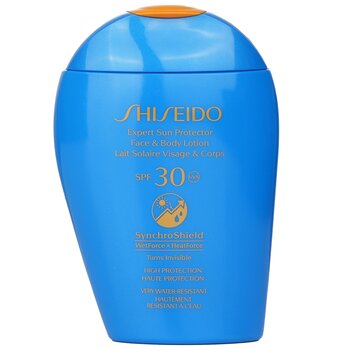
Shiseido Expert Sun Protector Face & Body Lotion SPF50 5 oz
Summary
This sunscreen lotion contains beneficial ingredients like zinc oxide, which provides effective sun protection. However, it also includes synthetic components and potential irritants such as synthetic fragrance, which can be concerning for sensitive skin. The presence of these ingredients suggests a moderate level of processing, impacting its overall safety and cleanliness.
At a glance
Key ingredients 8
Talc
Talc is a mineral used for its absorbent properties and smooth texture. However, it has been associated with contamination risks, particularly with asbestos, which is a known carcinogen. Its use in cosmetics is controversial due to potential health risks.
Risks
Potential contamination with asbestos, a known carcinogen.
Benefits
Provides a smooth texture and absorbent properties in formulations.
Ethylhexyl Methoxycinnamate
Ethylhexyl Methoxycinnamate, also known as Octinoxate, is a common UV filter in sunscreens. It has been criticized for its potential endocrine-disrupting effects and environmental impact, particularly on coral reefs. Despite its effectiveness in UV protection, these concerns have led to increased scrutiny.
Risks
Potential endocrine disruptor and harmful to marine ecosystems.
Benefits
Effective UVB filter that helps protect skin from sun damage.
Fragrance
Fragrance is often added to cosmetics for a pleasant scent but can contain numerous undisclosed chemicals. These can cause allergic reactions and skin irritation in sensitive individuals. The lack of transparency in fragrance formulations raises concerns about potential health impacts.
Risks
May cause skin irritation and allergic reactions.
Benefits
Enhances product appeal with a pleasant scent.
Alcohol
Alcohol is used in cosmetics for its quick-drying properties and as a solvent. However, it can be drying and irritating to the skin, especially in high concentrations. Its presence in skincare products is often debated due to these potential negative effects.
Risks
Can cause skin dryness and irritation.
Benefits
Acts as a solvent and helps products dry quickly.
BHT
BHT (Butylated Hydroxytoluene) is an antioxidant used to preserve product shelf life. It has been linked to potential endocrine disruption and other health concerns. Despite its effectiveness in preventing product spoilage, its safety in cosmetics is debated.
Risks
Potential endocrine disruptor with health concerns.
Benefits
Prevents oxidation and extends product shelf life.
Glycerin
Glycerin is a humectant that attracts moisture to the skin, making it a popular ingredient in skincare. It helps maintain skin hydration and improves the skin barrier function. Its safety and effectiveness make it a staple in many cosmetic formulations.
Risks
Generally considered safe with minimal risks.
Benefits
Enhances skin hydration and barrier function.
Camellia Sinensis Leaf Extract
Camellia Sinensis Leaf Extract, commonly known as green tea extract, is rich in antioxidants. It helps protect the skin from environmental damage and has anti-inflammatory properties. Its inclusion in skincare products is valued for its protective and soothing benefits.
Risks
Generally considered safe with minimal risks.
Benefits
Provides antioxidant protection and soothes the skin.
Tocopherol
Tocopherol, or Vitamin E, is a powerful antioxidant that helps protect the skin from free radical damage. It also has moisturizing properties and supports skin health. Its inclusion in skincare products is beneficial for maintaining skin integrity and appearance.
Risks
Generally considered safe with minimal risks.
Benefits
Offers antioxidant protection and moisturizes the skin.
Processing
Unprocessed or Minimally Processed Foods
Get the full breakdown in the Scout app
Scan any product to see lab results, healthy alternatives, and your personalized analysis.
Download on theApp Store