
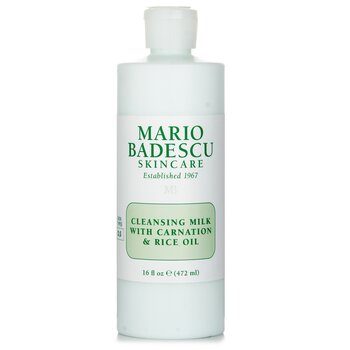

Cleansing Milk With Carnation & Rice Oil - For Dry/ Sensitive Skin Types 16oz
Summary
This cleansing milk contains natural oils like carnation and rice oil, which are beneficial for dry and sensitive skin. However, the presence of synthetic preservatives and emulsifiers slightly lowers its score. The product is moderately processed, which impacts its overall rating, but it still maintains a relatively clean ingredient list without major harmful chemicals.
At a glance
Key ingredients 6
Oryza Sativa (Rice) Bran Oil
Rice bran oil is a natural oil known for its moisturizing properties. It contains antioxidants like Vitamin E, which can help protect the skin from environmental damage. It is often used in skincare for its soothing and nourishing effects.
Risks
There are minimal risks associated with rice bran oil, though some individuals may experience mild irritation.
Benefits
It is beneficial for dry and sensitive skin due to its emollient properties and ability to improve skin barrier function.
Paraffinum Liquidum
Paraffinum Liquidum, also known as mineral oil, is used as an emollient to lock in moisture. It forms a barrier on the skin's surface, preventing water loss. However, it is a petroleum derivative and can be comedogenic.
Risks
It may clog pores and cause acne in some individuals, and there are concerns about its purity and potential contamination.
Benefits
It provides a protective layer on the skin, which can be beneficial for very dry skin types.
Triethanolamine
Triethanolamine is used to adjust the pH of cosmetics and as an emulsifier. It helps to stabilize formulations and improve texture. However, it is an ethanolamine compound, which can be irritating to the skin.
Risks
Prolonged exposure can lead to skin irritation and it may form nitrosamines, which are potential carcinogens.
Benefits
It helps maintain the stability and consistency of the product, ensuring even application.
Methylparaben
Methylparaben is a preservative used to prevent microbial growth in cosmetics. It is effective in extending the shelf life of products. However, parabens have been scrutinized for their potential endocrine-disrupting effects.
Risks
There are concerns about its potential to mimic estrogen and disrupt hormone function.
Benefits
It effectively prevents the growth of harmful bacteria and mold, ensuring product safety.
Propylparaben
Propylparaben is another paraben used as a preservative in cosmetics. It helps to prevent the growth of bacteria and mold. Like other parabens, it is under scrutiny for potential health risks.
Risks
It may disrupt hormone function due to its estrogen-mimicking properties.
Benefits
It ensures the product remains free from microbial contamination, enhancing safety.
Diazolidinyl Urea
Diazolidinyl Urea is a preservative that releases formaldehyde to prevent microbial growth. It is effective in maintaining product integrity. However, it is a formaldehyde releaser, which can be a skin irritant.
Risks
It may cause skin irritation and allergic reactions, and there are concerns about formaldehyde exposure.
Benefits
It helps to keep the product free from harmful microorganisms, extending its shelf life.
Processing
Processed Foods
Get the full breakdown in the Scout app
Scan any product to see lab results, healthy alternatives, and your personalized analysis.
Download on theApp Store