
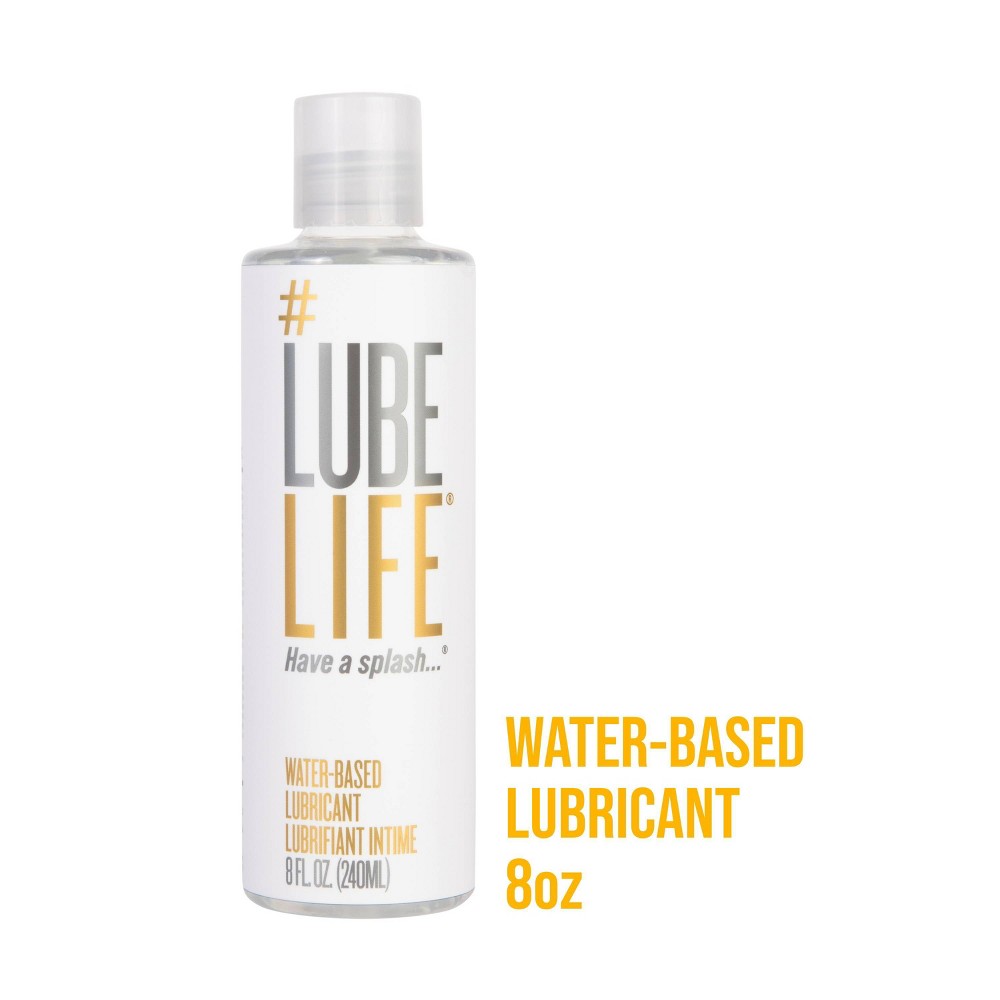

Lube Life Water Based Personal Lube - 8 fl oz
Summary
This personal lubricant contains gluconolactone, which is beneficial for its gentle exfoliating properties. However, the presence of sodium benzoate, a preservative that can form harmful compounds under certain conditions, is a concern. The product is processed, which limits its score potential, and the inclusion of synthetic preservatives further impacts its rating.
At a glance
Key ingredients 6
WaterNeutral
Water is a neutral ingredient primarily used as a solvent in personal care products. It is typically purified to remove impurities and contaminants, ensuring safety for topical application. In this product, it serves as the base, providing a medium for other ingredients.
See more about Water →PropenediolNeutral
Propenediol is a synthetic ingredient used as a humectant and solvent in personal care products. It is derived from corn sugar fermentation, which is a relatively sustainable process. It helps to improve the texture and moisture retention of the product.
Risks
Some individuals may experience skin irritation or allergic reactions, although this is rare.
Benefits
It can enhance skin hydration by attracting moisture, which is beneficial for maintaining skin softness.
GluconolactoneGood
Gluconolactone is a polyhydroxy acid that acts as an exfoliant and antioxidant in skincare products. It is derived from gluconic acid, which is naturally found in fruit and honey. This ingredient is known for its gentle exfoliating properties and ability to improve skin texture.
Benefits
It provides antioxidant benefits and can help to improve skin hydration and texture.
HydroxyethylcelluloseNeutral
Hydroxyethylcellulose is a thickening agent derived from cellulose, a natural polymer found in plant cell walls. It is used to enhance the viscosity and stability of formulations. This ingredient is generally considered safe and non-irritating.
See more about Hydroxyethylcellulose →Sodium BenzoateBad
Sodium Benzoate is a preservative used to prevent microbial growth in cosmetic products. It is synthetically produced and can form benzene, a carcinogen, under certain conditions. While generally recognized as safe in low concentrations, its potential to form harmful compounds is a concern.
Risks
There is a potential risk of benzene formation, especially when combined with ascorbic acid (vitamin C) under heat and light.
Citric AcidNeutral
Citric Acid is a natural acid found in citrus fruits, used to adjust pH levels in formulations. It is typically derived from fermentation of sugars and is considered safe for topical use. It helps to maintain the stability and effectiveness of the product.
Risks
In rare cases, it may cause skin irritation, particularly in sensitive individuals.
Benefits
It can enhance the antioxidant properties of formulations and improve product stability.
Processing
Processed Foods
Get the full breakdown in the Scout app
Scan any product to see lab results, healthy alternatives, and your personalized analysis.
Download on theApp Store