


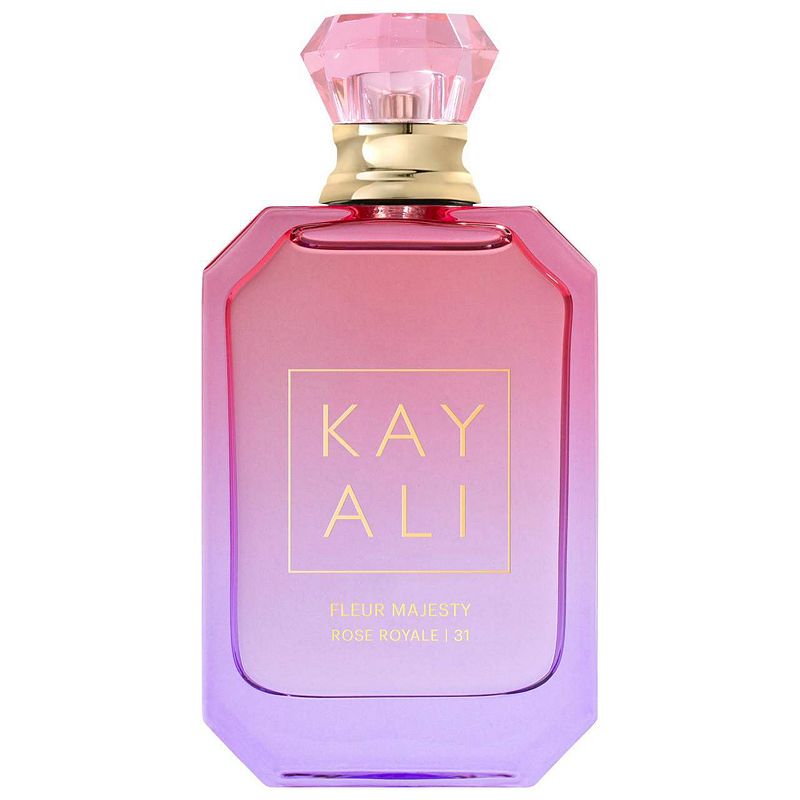
Versace Eros Energy Eau de Parfum, Size: 3.4 FL Oz, Erosenergy
Summary
This fragrance product is minimally processed, which is generally positive. However, perfumes often contain synthetic fragrance compounds that can include allergens or irritants, which may impact sensitive individuals. The lack of detailed ingredient transparency in perfumes can also be a concern for those seeking to avoid potential endocrine disruptors or other harmful chemicals.
At a glance
Key ingredients 11
Lemon
Lemon is a citrus fruit known for its refreshing scent and potential astringent properties. It is often used in cosmetics for its fragrance and potential skin-brightening effects. However, it can be irritating to sensitive skin.
Risks
Lemon can cause skin irritation and photosensitivity, especially when exposed to sunlight.
Benefits
It provides a fresh, invigorating scent and may have mild astringent properties.
Bergamot
Bergamot is a citrus fruit whose oil is commonly used in perfumery for its uplifting and refreshing aroma. It is valued for its unique scent profile that combines floral and citrus notes. However, it can increase photosensitivity.
Risks
Bergamot oil can cause photosensitivity, leading to skin irritation when exposed to sunlight.
Benefits
It offers a distinctive and pleasant fragrance that is both calming and refreshing.
Blood Orange
Blood Orange is a variety of orange with a distinct, sweet aroma and is used in cosmetics for its fragrance. It is appreciated for its vibrant scent and potential antioxidant properties. However, like other citrus oils, it can be irritating to the skin.
Risks
Blood Orange oil can cause skin irritation and increase photosensitivity.
Benefits
It provides a sweet, citrusy fragrance and may offer antioxidant benefits.
Lime
Lime is a citrus fruit used in cosmetics for its fresh and zesty scent. It is known for its invigorating aroma and potential astringent properties. However, it can be irritating to the skin and increase photosensitivity.
Risks
Lime oil can cause skin irritation and photosensitivity, particularly when exposed to sunlight.
Benefits
It offers a refreshing scent and may have mild astringent effects.
Grapefruit
Grapefruit is a citrus fruit whose oil is used in cosmetics for its fresh and uplifting scent. It is valued for its invigorating aroma and potential antioxidant properties. However, it can cause skin irritation and photosensitivity.
Risks
Grapefruit oil can increase photosensitivity and cause skin irritation.
Benefits
It provides a refreshing and uplifting fragrance and may offer antioxidant benefits.
Pink Pepper
Pink Pepper is used in perfumery for its spicy and warm aroma. It adds a unique, peppery note to fragrances, enhancing their complexity. However, it can cause skin irritation in sensitive individuals.
Risks
Pink Pepper can cause skin irritation, especially in sensitive individuals.
Benefits
It contributes a spicy, warm note to fragrances, enhancing their depth and complexity.
Blackcurrant
Blackcurrant is used in cosmetics for its fruity and sweet aroma. It is appreciated for its rich scent and potential antioxidant properties. However, it can cause skin irritation in some individuals.
Risks
Blackcurrant can cause skin irritation in sensitive individuals.
Benefits
It provides a sweet, fruity fragrance and may offer antioxidant benefits.
White Amber
White Amber is used in perfumery for its warm and musky scent. It adds depth and richness to fragrances, making them more complex. However, it can cause skin irritation in some individuals.
Risks
White Amber can cause skin irritation, particularly in sensitive individuals.
Benefits
It offers a warm, musky aroma that enhances the complexity of fragrances.
Patchouli
Patchouli is a plant whose oil is used in perfumery for its earthy and musky scent. It is valued for its grounding aroma and potential skin-soothing properties. However, it can cause skin irritation in some individuals.
Risks
Patchouli can cause skin irritation, especially in sensitive individuals.
Benefits
It provides an earthy, musky fragrance and may have skin-soothing properties.
Musk
Musk is used in perfumery for its deep and sensual aroma. It adds warmth and depth to fragrances, enhancing their appeal. However, synthetic musks can cause skin irritation and have environmental concerns.
Risks
Synthetic musks can cause skin irritation and may have environmental persistence issues.
Benefits
It offers a deep, sensual aroma that enhances the richness of fragrances.
Oakmoss
Oakmoss is used in perfumery for its earthy and woody scent. It adds a natural, forest-like aroma to fragrances, enhancing their complexity. However, it can cause skin irritation and allergic reactions.
Risks
Oakmoss can cause skin irritation and allergic reactions in sensitive individuals.
Benefits
It provides an earthy, woody fragrance that adds depth to perfumes.
Processing
Unprocessed or Minimally Processed Foods
Get the full breakdown in the Scout app
Scan any product to see lab results, healthy alternatives, and your personalized analysis.
Download on theApp Store