


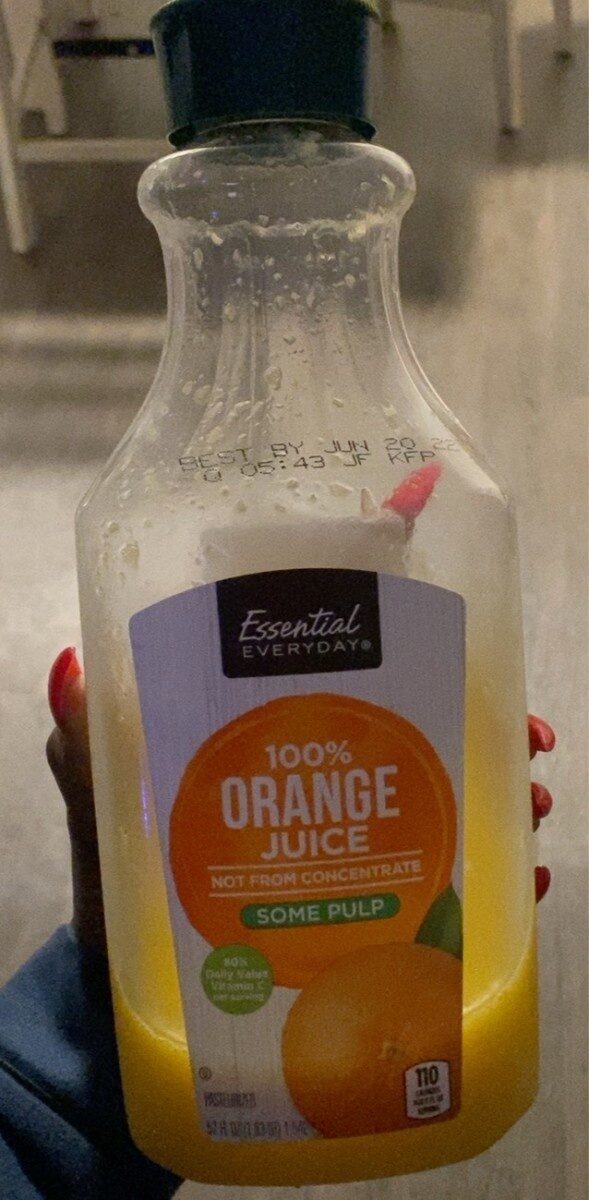


At a glance
Summary
This orange juice is made from organic ingredients, ensuring it is free from synthetic pesticides and fertilizers, which enhances its nutritional profile. The juice is minimally processed and fortified with beneficial nutrients like calcium and vitamin D3, supporting bone health and immune function. The absence of harmful additives and the use of natural sugars contribute to its high rating.
Key ingredients 4
Organic Orange JuiceVery Good
Organic orange juice is a natural source of vitamin C and antioxidants, which support immune function and overall health. Being organic, it is free from synthetic pesticides and fertilizers, enhancing its nutritional profile. It provides natural sugars and hydration, making it a healthy beverage choice.
Benefits
Rich in vitamin C and antioxidants, which help boost the immune system and protect against oxidative stress.
Tri-Calcium PhosphateGood
Tri-calcium phosphate is used to fortify foods with calcium, supporting bone health and preventing deficiencies. It is a stable compound that provides a bioavailable form of calcium. Its inclusion in beverages helps meet daily calcium requirements without altering taste.
Risks
Excessive intake may lead to hypercalcemia, but this is unlikely from typical consumption levels.
Benefits
Provides a bioavailable source of calcium, essential for maintaining strong bones and teeth.
Calcium LactateGood
Calcium lactate is a calcium supplement that aids in bone health and muscle function. It is well-absorbed and often used in fortified foods to enhance calcium intake. Its presence in the juice helps increase the nutritional value without affecting flavor.
Benefits
Enhances calcium intake, supporting bone density and muscle function.
Vitamin D3Good
Vitamin D3 is crucial for calcium absorption and bone health, and it supports immune function. It is the most effective form of vitamin D for raising blood levels. Fortifying beverages with vitamin D3 helps prevent deficiencies, especially in populations with limited sun exposure.
Benefits
Essential for calcium absorption and bone health, and supports immune system function.
Processing
Unprocessed or Minimally Processed Foods
Get the full breakdown in the Scout appTake Scout shopping
Scan any product to see lab results, healthy alternatives, and your personalized analysis.
Download on theApp Store GET IT ONGoogle Play