
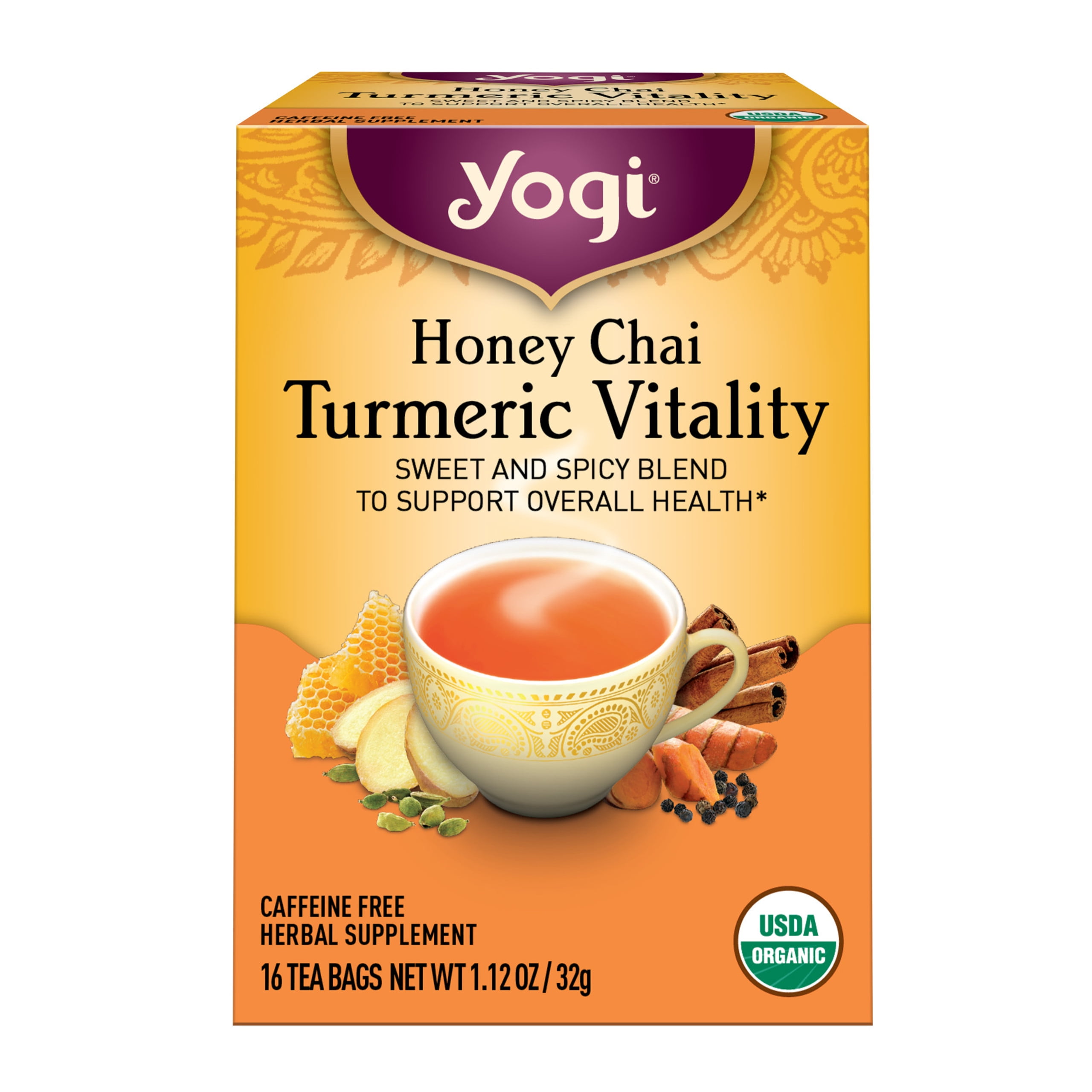

Yogi Tea Honey Chai Turmeric Vitality 16 Tea Bags 1 12 oz 32 g
Summary
This tea product contains sweetened condensed milk and wheat syrup, both of which are high in sugars and contribute to its processed nature. The presence of these ingredients, along with the overall processing level, limits its healthiness compared to more natural tea options. Despite these concerns, it does not contain artificial additives or seed oils, which helps maintain a moderate score.
At a glance
Key ingredients 7
Greek YogurtNeutral
Greek yogurt is a dairy product that is rich in protein and probiotics, which can support gut health. It is made by straining regular yogurt to remove whey, resulting in a thicker consistency. However, it may contain added sugars or flavorings depending on the brand.
Risks
Potential lactose intolerance issues for some individuals.
Benefits
Provides a good source of protein and probiotics, beneficial for digestive health.
Lemon Juice ConcentrateNeutral
Lemon juice concentrate is a processed form of lemon juice that retains the citrus flavor and vitamin C content. It is often used for its tartness and preservative qualities. The concentration process may reduce some of the natural nutrients found in fresh lemon juice.
Risks
May contain added preservatives or sugars.
Benefits
Contains vitamin C and can enhance flavor without significant calories.
MilkNeutral
Milk is a natural source of calcium and vitamin D, essential for bone health. It is a staple in many diets but can be a concern for those with lactose intolerance. The quality of milk can vary based on the source and whether it is organic or grass-fed.
Risks
Lactose intolerance can cause digestive issues for some individuals.
Benefits
Rich in calcium and vitamin D, supporting bone health.
WheatNeutral
Wheat is a common grain that provides carbohydrates and some protein. It is a staple in many diets but can be problematic for those with gluten intolerance or celiac disease. The nutritional value can vary based on processing and refinement.
Risks
Contains gluten, which can cause issues for those with celiac disease or gluten sensitivity.
Benefits
Provides energy through carbohydrates and some protein.
ButterNeutral
Butter is a dairy product made from churning cream, providing a rich source of fat and flavor. It contains saturated fats, which can impact heart health if consumed in excess. The quality of butter can vary based on whether it is grass-fed or organic.
Risks
High in saturated fats, which may contribute to heart disease if consumed excessively.
Benefits
Adds flavor and richness to foods, and grass-fed butter contains some beneficial fatty acids.
Sweetened Condensed MilkBad
Sweetened condensed milk is a thick, sweet product made by removing water from milk and adding sugar. It is high in calories and sugar, which can contribute to weight gain and dental issues. The high sugar content makes it a less healthy choice compared to unsweetened dairy options.
Risks
High sugar content can lead to weight gain and increased risk of diabetes.
Benefits
Provides a rich, sweet flavor to desserts and beverages.
Wheat SyrupBad
Wheat syrup is a sweetener derived from wheat starch, often used as a substitute for corn syrup. It is high in sugars and can contribute to increased blood sugar levels. The processing of wheat syrup can strip away beneficial nutrients found in whole wheat.
Risks
High sugar content can lead to increased blood sugar levels and potential weight gain.
Processing
Processed Foods
Get the full breakdown in the Scout app
Scan any product to see lab results, healthy alternatives, and your personalized analysis.
Download on theApp Store