
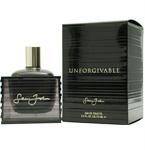




Unforgivable by Sean John for Men - 2.5 oz EDT Spray
Summary
This fragrance product is primarily composed of synthetic ingredients, which are common in perfumes and colognes. While it does not contain harmful substances typically found in skincare or makeup, the synthetic nature and potential for skin irritation or allergic reactions are considerations. The product's processing level is high due to the complex formulation of synthetic compounds.
At a glance
Key ingredients 32
Mediterranean Air Accord
This is a synthetic fragrance component designed to evoke a fresh, airy scent. It is typically used to enhance the olfactory experience of a product. However, it does not provide any direct skin benefits.
Risks
Fragrance components can cause skin irritation or allergic reactions in sensitive individuals.
Benefits
It contributes to the overall scent profile of the product, enhancing user experience.
Bergamot
Bergamot is a citrus fruit extract used for its refreshing scent. It is commonly included in fragrances for its uplifting and invigorating aroma. However, it can cause photosensitivity when applied to the skin.
Risks
Bergamot can increase the skin's sensitivity to sunlight, potentially leading to sunburn.
Benefits
It provides a pleasant citrus scent that can improve mood and reduce stress.
Moss
Moss is used in perfumery for its earthy, woody scent. It adds depth and complexity to fragrance compositions. However, it does not have significant skin benefits.
Risks
Some individuals may experience allergic reactions to moss extracts.
Benefits
It enhances the fragrance profile with a natural, grounding aroma.
Basil
Basil is an herb known for its aromatic properties. It is used in fragrances for its fresh, spicy scent. While it is beneficial in culinary uses, its topical benefits are limited.
Risks
Basil oil can cause skin irritation in sensitive individuals.
Benefits
It provides a fresh, herbal note to the fragrance, which can be invigorating.
Lavender
Lavender is a popular fragrance ingredient known for its calming and soothing scent. It is often used in aromatherapy for its relaxing properties. However, it can cause irritation in some people.
Risks
Lavender oil may cause allergic reactions or skin irritation in sensitive individuals.
Benefits
It is known for its calming effects and can help reduce stress and anxiety.
Clary Sage
Clary Sage is used in perfumery for its musky, herbal scent. It is believed to have mood-enhancing properties. However, its direct skin benefits are minimal.
Risks
Clary Sage oil can cause skin irritation or allergic reactions in some individuals.
Benefits
It may help improve mood and reduce stress through its aromatic properties.
Marine
Marine notes are synthetic fragrance components designed to evoke the scent of the sea. They are used to create fresh, aquatic scents in perfumes. These components do not offer skin benefits.
Risks
Synthetic fragrances can cause skin irritation or allergic reactions.
Benefits
They provide a refreshing, oceanic scent that can be invigorating.
Amber
Amber is a common fragrance ingredient known for its warm, resinous scent. It is used to add depth and richness to perfumes. It does not have direct skin benefits.
Risks
Amber can cause allergic reactions or skin irritation in sensitive individuals.
Benefits
It provides a warm, comforting aroma that enhances the fragrance profile.
Cashmeran
Cashmeran is a synthetic fragrance ingredient known for its musky, woody scent. It is used to add complexity and warmth to perfumes. It does not provide skin benefits.
Risks
Synthetic fragrance ingredients can cause skin irritation or allergic reactions.
Benefits
It contributes a luxurious, musky note to the fragrance.
Champagne
Champagne is used in perfumery for its effervescent, fruity scent. It adds a sparkling quality to fragrance compositions. It does not have direct skin benefits.
Risks
Fragrance components can cause skin irritation or allergic reactions.
Benefits
It provides a lively, celebratory aroma that enhances the fragrance experience.
Grapefruit
Grapefruit is a citrus fruit extract used for its fresh, tangy scent. It is popular in fragrances for its uplifting and energizing aroma. However, it can cause photosensitivity when applied to the skin.
Risks
Grapefruit can increase the skin's sensitivity to sunlight, potentially leading to sunburn.
Benefits
It provides a refreshing citrus scent that can boost mood and energy.
Juniper
Juniper is used in perfumery for its fresh, woody scent. It adds a crisp, clean note to fragrance compositions. It does not have significant skin benefits.
Risks
Juniper oil can cause skin irritation or allergic reactions in some individuals.
Benefits
It provides a refreshing, invigorating aroma that enhances the fragrance.
Sicilian Lemon
Sicilian Lemon is a citrus fruit extract known for its bright, zesty scent. It is used in fragrances for its refreshing and uplifting aroma. However, it can cause photosensitivity when applied to the skin.
Risks
Lemon can increase the skin's sensitivity to sunlight, potentially leading to sunburn.
Benefits
It provides a lively citrus scent that can enhance mood and alertness.
Italian Bergamot
Italian Bergamot is a citrus fruit extract used for its fresh, floral scent. It is popular in perfumery for its uplifting and calming aroma. However, it can cause photosensitivity when applied to the skin.
Risks
Bergamot can increase the skin's sensitivity to sunlight, potentially leading to sunburn.
Benefits
It provides a pleasant citrus scent that can improve mood and reduce stress.
Green Mandarin
Green Mandarin is a citrus fruit extract known for its sweet, tangy scent. It is used in fragrances for its refreshing and uplifting aroma. However, it can cause photosensitivity when applied to the skin.
Risks
Mandarin can increase the skin's sensitivity to sunlight, potentially leading to sunburn.
Benefits
It provides a sweet citrus scent that can enhance mood and energy.
Moroccan Tangerine
Moroccan Tangerine is a citrus fruit extract used for its sweet, fruity scent. It is popular in fragrances for its refreshing and uplifting aroma. However, it can cause photosensitivity when applied to the skin.
Risks
Tangerine can increase the skin's sensitivity to sunlight, potentially leading to sunburn.
Benefits
It provides a sweet citrus scent that can boost mood and energy.
Juniper Leaves
Juniper Leaves are used in perfumery for their fresh, woody scent. They add a crisp, clean note to fragrance compositions. They do not have significant skin benefits.
Risks
Juniper leaves can cause skin irritation or allergic reactions in some individuals.
Benefits
They provide a refreshing, invigorating aroma that enhances the fragrance.
Birch Leaves
Birch Leaves are used in perfumery for their fresh, green scent. They add a natural, earthy note to fragrance compositions. They do not have significant skin benefits.
Risks
Birch leaves can cause skin irritation or allergic reactions in some individuals.
Benefits
They provide a fresh, natural aroma that enhances the fragrance.
Champagne Accord
Champagne Accord is a synthetic fragrance component designed to mimic the effervescent, fruity scent of champagne. It adds a sparkling quality to fragrance compositions. It does not have direct skin benefits.
Risks
Synthetic fragrance components can cause skin irritation or allergic reactions.
Benefits
It provides a lively, celebratory aroma that enhances the fragrance experience.
Tangerine
Tangerine is a citrus fruit extract used for its sweet, fruity scent. It is popular in fragrances for its refreshing and uplifting aroma. However, it can cause photosensitivity when applied to the skin.
Risks
Tangerine can increase the skin's sensitivity to sunlight, potentially leading to sunburn.
Benefits
It provides a sweet citrus scent that can boost mood and energy.
Birch Leaf
Birch Leaf is used in perfumery for its fresh, green scent. It adds a natural, earthy note to fragrance compositions. It does not have significant skin benefits.
Risks
Birch leaf can cause skin irritation or allergic reactions in some individuals.
Benefits
It provides a fresh, natural aroma that enhances the fragrance.
Iris
Iris is used in perfumery for its powdery, floral scent. It adds elegance and sophistication to fragrance compositions. It does not have significant skin benefits.
Risks
Iris can cause skin irritation or allergic reactions in some individuals.
Benefits
It provides a luxurious, floral aroma that enhances the fragrance.
Orange Blossom
Orange Blossom is a floral extract known for its sweet, citrusy scent. It is used in fragrances for its uplifting and calming aroma. It does not have significant skin benefits.
Risks
Orange Blossom can cause skin irritation or allergic reactions in some individuals.
Benefits
It provides a sweet, floral scent that can improve mood and reduce stress.
Cassia
Cassia is used in perfumery for its warm, spicy scent. It adds depth and warmth to fragrance compositions. It does not have significant skin benefits.
Risks
Cassia can cause skin irritation or allergic reactions in some individuals.
Benefits
It provides a warm, spicy aroma that enhances the fragrance.
Apple
Apple is used in perfumery for its fresh, fruity scent. It adds a crisp, sweet note to fragrance compositions. It does not have significant skin benefits.
Risks
Apple extracts can cause skin irritation or allergic reactions in some individuals.
Benefits
It provides a fresh, fruity aroma that enhances the fragrance.
Pear
Pear is used in perfumery for its sweet, fruity scent. It adds a juicy, fresh note to fragrance compositions. It does not have significant skin benefits.
Risks
Pear extracts can cause skin irritation or allergic reactions in some individuals.
Benefits
It provides a sweet, fruity aroma that enhances the fragrance.
Jasmine
Jasmine is a floral extract known for its sweet, exotic scent. It is used in fragrances for its romantic and calming aroma. It does not have significant skin benefits.
Risks
Jasmine can cause skin irritation or allergic reactions in some individuals.
Benefits
It provides a sweet, floral scent that can improve mood and reduce stress.
Violet
Violet is used in perfumery for its sweet, powdery scent. It adds elegance and sophistication to fragrance compositions. It does not have significant skin benefits.
Risks
Violet can cause skin irritation or allergic reactions in some individuals.
Benefits
It provides a luxurious, floral aroma that enhances the fragrance.
Lily-of-the-valley
Lily-of-the-valley is a floral extract known for its fresh, sweet scent. It is used in fragrances for its delicate and uplifting aroma. It does not have significant skin benefits.
Risks
Lily-of-the-valley can cause skin irritation or allergic reactions in some individuals.
Benefits
It provides a fresh, floral scent that enhances the fragrance.
Cyclamen
Cyclamen is used in perfumery for its fresh, floral scent. It adds a delicate, sweet note to fragrance compositions. It does not have significant skin benefits.
Risks
Cyclamen can cause skin irritation or allergic reactions in some individuals.
Benefits
It provides a fresh, floral aroma that enhances the fragrance.
Rose
Rose is a floral extract known for its sweet, romantic scent. It is used in fragrances for its calming and uplifting aroma. It does not have significant skin benefits.
Risks
Rose can cause skin irritation or allergic reactions in some individuals.
Benefits
It provides a sweet, floral scent that can improve mood and reduce stress.
Oak Moss
Oak Moss is used in perfumery for its earthy, woody scent. It adds depth and richness to fragrance compositions. It does not have significant skin benefits.
Risks
Oak Moss can cause skin irritation or allergic reactions in some individuals.
Benefits
It provides a natural, earthy aroma that enhances the fragrance.
Processing
Ultra-Processed Foods
Get the full breakdown in the Scout app
Scan any product to see lab results, healthy alternatives, and your personalized analysis.
Download on theApp Store