
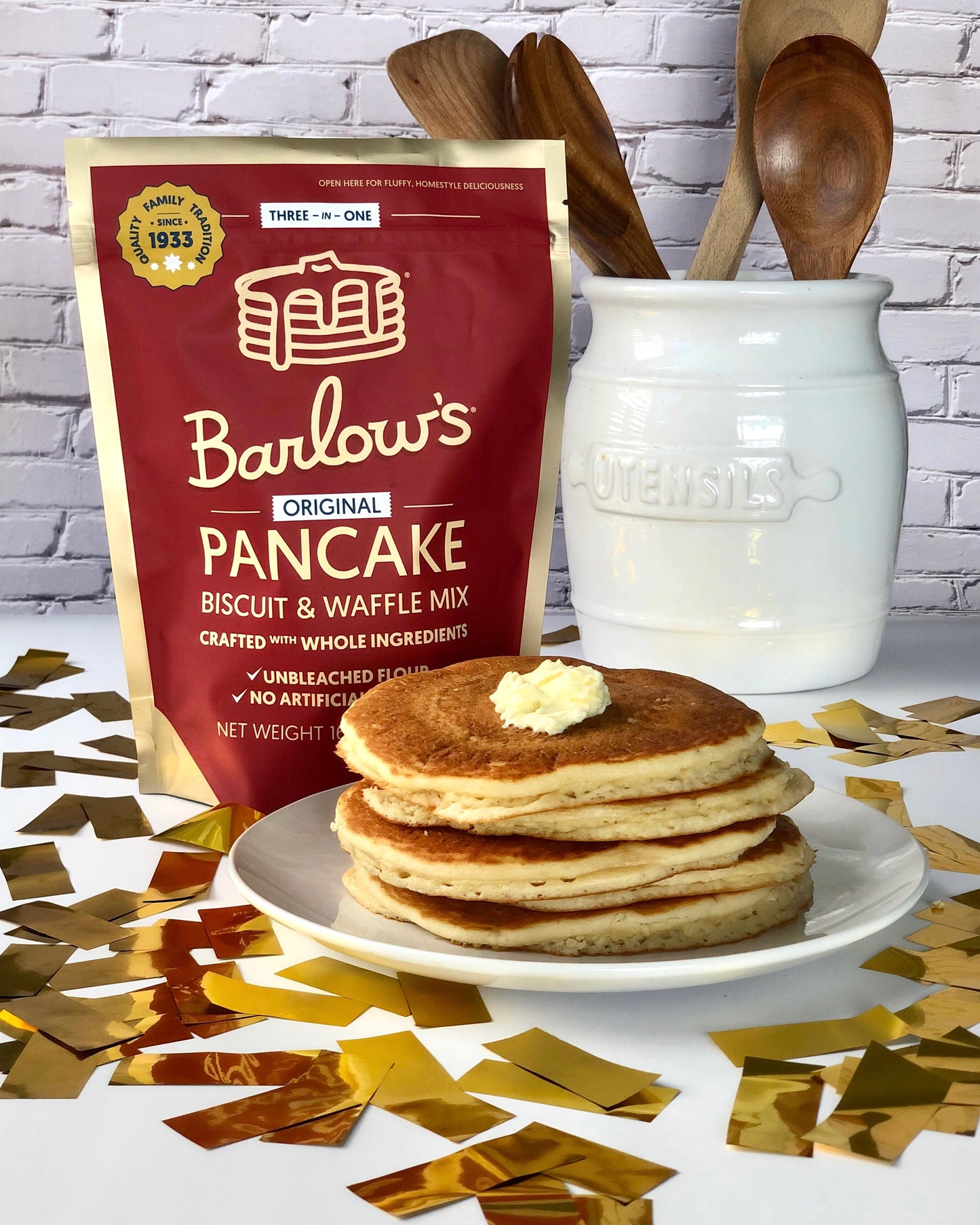
Pancakes

Barlow’s
65 Fair
View on Amazon

Summary

This pancake product contains a mix of beneficial and processed ingredients. While almond milk and buttermilk provide some nutritional benefits, the use of vegetable oil, which is often highly processed, detracts from the overall healthiness. The presence of unbleached flour and brown sugar also contributes to its processed nature, limiting its score due to the level of processing involved.

At a glance

Beneficial ingredients 2
Harmful ingredients 1
Category Pancakes

Key ingredients 6

Almond milk
Good

Almond milk is a plant-based milk alternative that is low in calories and free from cholesterol. It is often fortified with vitamins and minerals, making it a nutritious option for those avoiding dairy. The processing of almonds into milk retains some beneficial nutrients while reducing fat content.

Risks

Potential allergen for individuals with nut allergies.

Benefits

Low in calories and cholesterol-free, making it a heart-healthy alternative to dairy milk. Often fortified with essential nutrients like calcium and vitamin D.

Vegetable oil
Bad

Vegetable oil is often highly processed and can contain high levels of omega-6 fatty acids, which may contribute to inflammation. The extraction process typically involves chemical solvents, which can affect the oil's purity. It lacks the beneficial nutrients found in less processed oils like olive or coconut oil.

Risks

High omega-6 content may promote inflammation when consumed in excess.

Benefits

Provides a source of energy and is commonly used in cooking for its neutral flavor.

See more about Vegetable oil →
Vanilla
Neutral

Vanilla is used primarily for flavoring and has minimal nutritional impact. It is typically added in small amounts, contributing to the aroma and taste of foods. The quality of vanilla can vary, with pure vanilla extract being more desirable than synthetic alternatives.

Benefits

Enhances flavor and aroma in foods, contributing to a more enjoyable eating experience.

See more about Vanilla →
Brown sugar
Neutral

Brown sugar is a refined sugar with a small amount of molasses, giving it a distinct flavor and color. It is used as a sweetener in various recipes. While it contains slightly more minerals than white sugar, the difference is nutritionally insignificant.

Risks

Excessive consumption can contribute to weight gain and dental issues.

Benefits

Provides a rich flavor and color to baked goods and desserts.

See more about Brown sugar →
Unbleached flour
Neutral

Unbleached flour is a type of wheat flour that has not been chemically treated to whiten it. It retains more of the natural nutrients found in wheat compared to bleached flour. It is commonly used in baking and cooking.

Risks

Contains gluten, which can be problematic for individuals with celiac disease or gluten sensitivity.

Benefits

Provides essential carbohydrates and some protein, making it a staple in many diets.

Buttermilk
Good

Buttermilk is a fermented dairy product that is low in fat and rich in probiotics. It is often used in baking to add moisture and a tangy flavor. The fermentation process enhances its digestibility and nutrient absorption.

Risks

Potential allergen for individuals with lactose intolerance or dairy allergies.

Benefits

Rich in probiotics, which can support gut health and improve digestion.

Processing

Group 3 · Processed

Processed Foods

Get the full breakdown in the Scout app

Scan any product to see lab results, healthy alternatives, and your personalized analysis.

Download on theApp Store