
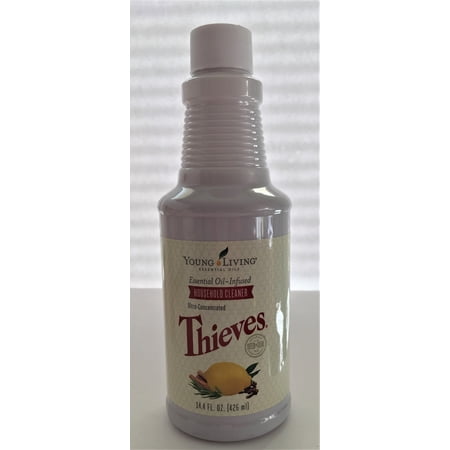


Young Living Thieves Household Cleaner - 14.4 fl. oz.
Summary
This cleaning product is formulated with plant-based ingredients and essential oils, making it a safer choice for indoor use. It avoids harsh chemicals like sodium lauryl sulfate, synthetic fragrances, and quaternary ammonium compounds, which are common in many household cleaners. The use of biodegradable components and the absence of harmful additives contribute to its high rating for environmental impact and safety.
At a glance
Key ingredients 5
Clove
Clove oil is derived from the clove plant and is known for its strong antiseptic properties. It is often used in cleaning products for its ability to kill bacteria and mold. Additionally, it provides a natural fragrance.
Risks
Clove oil can be irritating to the skin and mucous membranes if used in high concentrations.
Benefits
It is effective in reducing bacteria and mold, making it a beneficial ingredient in cleaning products.
Lemon
Lemon oil is extracted from the peel of lemons and is known for its antibacterial and antiviral properties. It is commonly used in cleaning products for its ability to cut through grease and grime. The oil also imparts a fresh, clean scent.
Risks
Lemon oil can cause skin irritation in sensitive individuals if not properly diluted.
Benefits
It is effective in cutting through grease and provides a natural, pleasant fragrance.
Cinnamon Bark
Cinnamon bark oil is derived from the bark of the cinnamon tree and is known for its antimicrobial properties. It is used in cleaning products for its ability to inhibit the growth of bacteria and fungi. The oil also adds a warm, spicy aroma.
Risks
Cinnamon bark oil can be a skin irritant and should be used with caution in high concentrations.
Benefits
It provides antimicrobial benefits and a natural fragrance, enhancing the cleaning efficacy.
Eucalyptus
Eucalyptus oil is extracted from the leaves of the eucalyptus tree and is known for its disinfectant properties. It is used in cleaning products for its ability to kill germs and freshen the air. The oil also has a refreshing, invigorating scent.
Risks
Eucalyptus oil can be toxic if ingested and may cause skin irritation if not properly diluted.
Benefits
It is effective in killing germs and provides a natural, refreshing fragrance.
Rosemary
Rosemary oil is obtained from the leaves of the rosemary plant and is known for its antibacterial and antifungal properties. It is used in cleaning products for its ability to combat bacteria and mold. The oil also imparts a fresh, herbal scent.
Risks
Rosemary oil can cause skin irritation in some individuals if used in high concentrations.
Benefits
It provides antibacterial benefits and a natural, pleasant fragrance, enhancing the cleaning power.
Processing
Unprocessed or Minimally Processed Foods
Get the full breakdown in the Scout app
Scan any product to see lab results, healthy alternatives, and your personalized analysis.
Download on theApp Store