


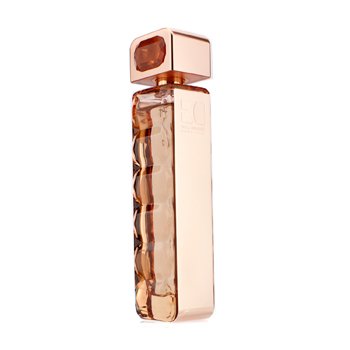
Bond No. 9 New Bond St. Eau De Parfum Perfume for Women 3.4 oz Spray
Summary
This perfume contains synthetic fragrance compounds, which can include a variety of undisclosed chemicals that may cause skin irritation or allergic reactions. While it is minimally processed, the presence of synthetic ingredients and potential allergens affects its overall safety profile. The product lacks natural oils or botanicals that could enhance its rating.
At a glance
Key ingredients 9
Bergamot
Bergamot is a citrus fruit known for its aromatic properties. It is often used in perfumes for its fresh and uplifting scent. However, it can cause photosensitivity when applied to the skin.
Risks
Potential for skin irritation and photosensitivity, especially when exposed to sunlight.
Benefits
Provides a refreshing and uplifting fragrance that is popular in perfumery.
Pepper
Pepper is used in perfumes for its spicy and warm scent profile. It adds depth and complexity to fragrance compositions. While generally safe, it can cause irritation in sensitive individuals.
Risks
May cause skin irritation or allergic reactions in sensitive individuals.
Benefits
Contributes a spicy and warm note to fragrances, enhancing their complexity.
Lily of the valley
Lily of the valley is prized for its delicate and sweet floral scent. It is commonly used in perfumes to impart a fresh and clean aroma. There are no significant risks associated with its use in perfumes.
Risks
Generally considered safe with minimal risk of irritation.
Benefits
Offers a sweet and fresh floral note that is highly valued in perfumery.
Cocoa
Cocoa is used in perfumes for its rich and warm scent, reminiscent of chocolate. It adds a comforting and indulgent note to fragrance compositions. There are no significant risks associated with its use in perfumes.
Risks
Generally considered safe with minimal risk of irritation.
Benefits
Provides a rich and indulgent chocolate-like aroma that enhances the warmth of a fragrance.
Coffee bean
Coffee bean is used in perfumes for its deep and invigorating scent. It adds a unique and energizing note to fragrance compositions. There are no significant risks associated with its use in perfumes.
Risks
Generally considered safe with minimal risk of irritation.
Benefits
Contributes a deep and invigorating aroma that can energize and refresh.
Chestnut
Chestnut is used in perfumes for its warm and nutty scent profile. It adds a comforting and earthy note to fragrance compositions. There are no significant risks associated with its use in perfumes.
Risks
Generally considered safe with minimal risk of irritation.
Benefits
Provides a warm and nutty aroma that enhances the earthiness of a fragrance.
Patchouli
Patchouli is a popular ingredient in perfumes for its earthy and musky scent. It is often used to add depth and longevity to fragrances. While generally safe, it can cause irritation in sensitive individuals.
Risks
May cause skin irritation or allergic reactions in sensitive individuals.
Benefits
Offers an earthy and musky aroma that enhances the depth and longevity of a fragrance.
Vanilla
Vanilla is widely used in perfumes for its sweet and comforting scent. It adds warmth and richness to fragrance compositions. There are no significant risks associated with its use in perfumes.
Risks
Generally considered safe with minimal risk of irritation.
Benefits
Provides a sweet and comforting aroma that enhances the warmth and richness of a fragrance.
Sandalwood
Sandalwood is valued in perfumery for its creamy and woody scent. It is often used to add a smooth and grounding note to fragrances. While generally safe, it can cause irritation in sensitive individuals.
Risks
May cause skin irritation or allergic reactions in sensitive individuals.
Benefits
Contributes a creamy and woody aroma that enhances the smoothness and grounding quality of a fragrance.
Processing
Unprocessed or Minimally Processed Foods
Get the full breakdown in the Scout app
Scan any product to see lab results, healthy alternatives, and your personalized analysis.
Download on theApp Store