
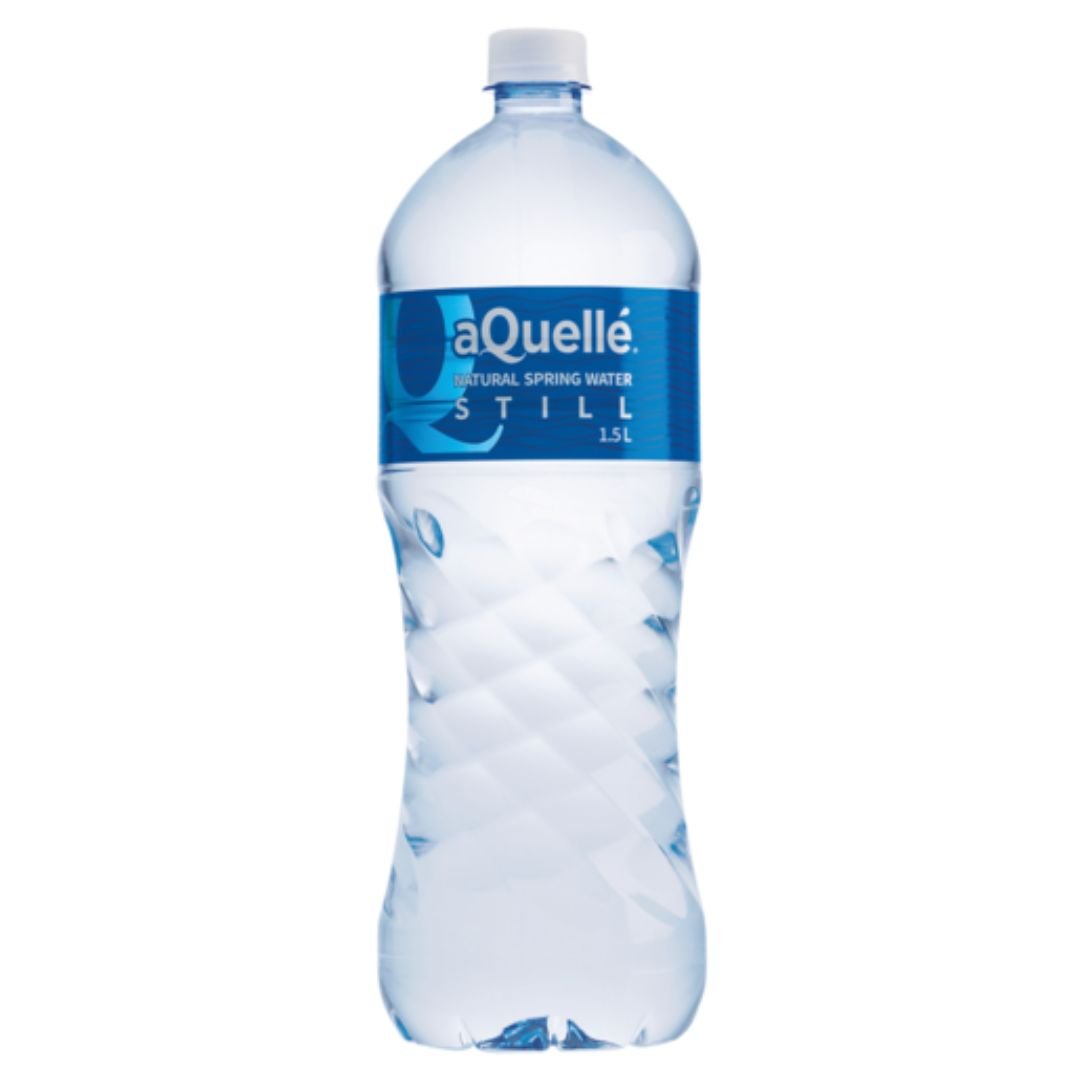
Australian Spring Water
Summary
This product is primarily composed of spring water, which is a minimally processed and natural source of hydration. However, the inclusion of natural flavors and sodium benzoate introduces concerns due to the lack of transparency and potential health risks associated with these additives. These factors slightly detract from the overall purity and clean label quality expected from a high-quality water product.
At a glance
Key ingredients 5
Spring WaterVery Good
Spring water is a natural source of hydration, providing essential minerals and electrolytes. It is minimally processed, retaining its natural purity and mineral content. This makes it an excellent choice for maintaining hydration and supporting overall health.
Benefits
Provides essential hydration and may contain beneficial minerals that support bodily functions.
Malic AcidNeutral
Malic acid is a naturally occurring acid found in fruits, used to enhance flavor and acidity. It is generally recognized as safe when used in food products. Its presence in beverages can improve taste without significant health impacts.
Benefits
Enhances flavor and acidity, contributing to a refreshing taste.
Citric AcidNeutral
Citric acid is a common food additive used to enhance flavor and preserve freshness. It is naturally found in citrus fruits and is widely used in the food industry. Its role in beverages is primarily to improve taste and shelf life.
Benefits
Acts as a natural preservative and flavor enhancer.
Natural FlavoursBad
Natural flavours are often used to enhance taste but can be vague in terms of actual content. The lack of transparency in what constitutes 'natural' can be concerning for consumers seeking clean labels. This ingredient may include a variety of compounds, some of which might not align with a minimally processed philosophy.
Risks
Potential for undisclosed additives or allergens, leading to consumer confusion.
Benefits
Enhances the sensory experience of the beverage.
Sodium BenzoateBad
Sodium benzoate is a preservative used to prevent spoilage and extend shelf life. While effective, it can form benzene, a carcinogen, when combined with vitamin C under certain conditions. Its use in beverages is controversial due to potential health concerns.
Risks
May form benzene, a known carcinogen, when combined with vitamin C.
Benefits
Prevents microbial growth, extending product shelf life.
Processing
Unprocessed or Minimally Processed Foods
Get the full breakdown in the Scout app
Scan any product to see lab results, healthy alternatives, and your personalized analysis.
Download on theApp Store