
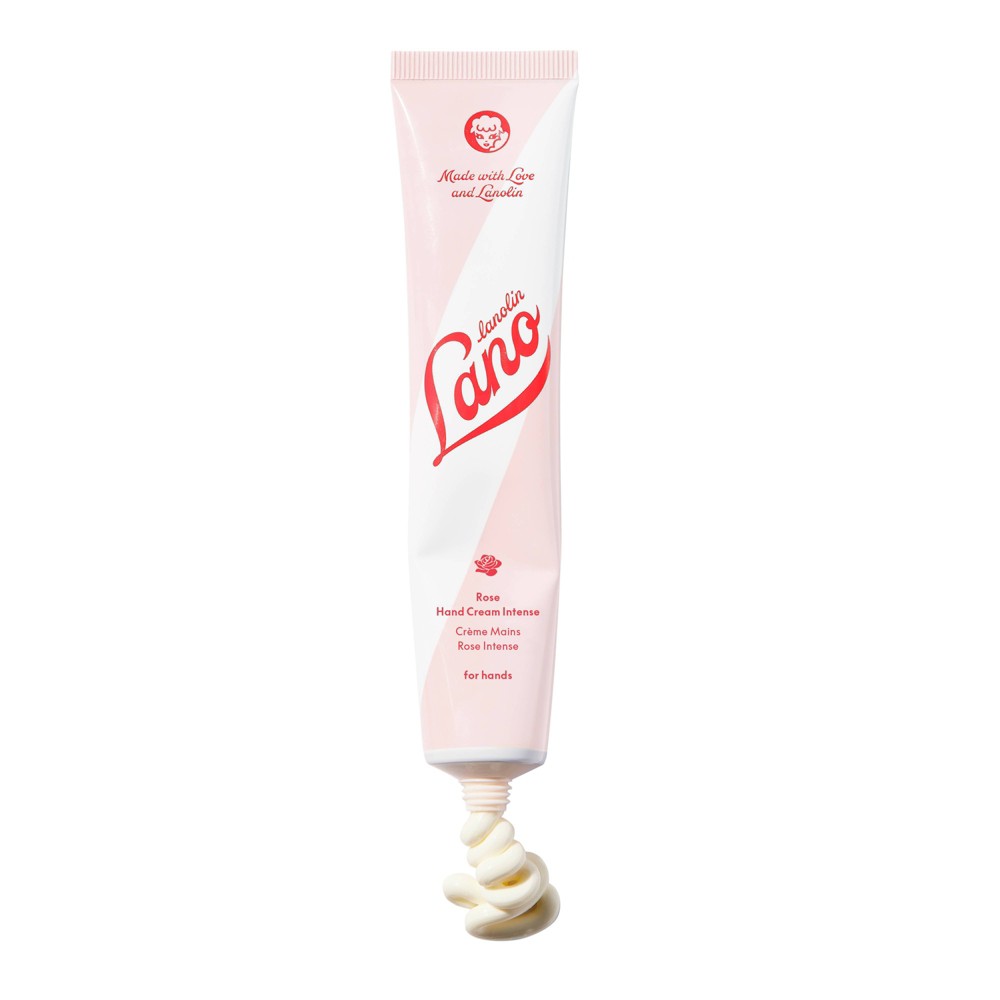

Lanolips Intense Hand Cream - Rose - 1.69oz: Deep Hydration, Paraben-Free, Tube, Normal & Dry Skin
Summary
The Lanolips Intense Hand Cream contains beneficial ingredients like lanolin, which is known for its deep moisturizing properties. However, the product is processed and includes synthetic components that prevent it from achieving a higher score. The absence of parabens is positive, but the presence of other synthetic ingredients and the processing level limit its rating.
At a glance
Key ingredients 10
Lanolin
Lanolin is a natural emollient derived from sheep's wool, known for its ability to deeply moisturize and protect the skin. It forms a protective barrier that helps retain moisture. It is particularly beneficial for dry and chapped skin.
Risks
Some individuals may experience allergic reactions or sensitivity to lanolin.
Benefits
Lanolin is highly effective in providing long-lasting hydration and improving skin texture.
Butyrospermum Parkii (Shea) Butter
Shea butter is a natural fat extracted from the nuts of the shea tree, rich in vitamins and fatty acids. It is known for its moisturizing and anti-inflammatory properties. It helps soothe and nourish the skin.
Risks
Rarely, it may cause allergic reactions in individuals with nut allergies.
Benefits
Shea butter is excellent for softening and healing dry skin, making it smoother and more supple.
Theobroma Cacao (Cocoa) Seed Butter
Cocoa butter is a natural fat derived from cocoa beans, known for its rich emollient properties. It helps to hydrate and improve skin elasticity. It is often used to reduce the appearance of scars and stretch marks.
Risks
May cause allergic reactions in sensitive individuals.
Benefits
Cocoa butter provides deep hydration and helps to improve skin tone and texture.
Glycine Soja (Soybean) Oil
Soybean oil is a plant-based oil rich in essential fatty acids and antioxidants. It helps to moisturize and protect the skin from environmental damage. It is also known for its anti-inflammatory properties.
Risks
Potential allergen for individuals with soy allergies.
Benefits
Soybean oil helps to maintain skin health and improve its barrier function.
Triticum Vulgare (Wheat) Germ Oil
Wheat germ oil is rich in vitamins, particularly vitamin E, and essential fatty acids. It is known for its nourishing and regenerative properties. It helps to improve skin elasticity and reduce signs of aging.
Risks
May cause allergic reactions in individuals with wheat allergies.
Benefits
Wheat germ oil is beneficial for rejuvenating and revitalizing the skin.
Vitis Vinifera (Grape) Seed Oil
Grape seed oil is a lightweight oil rich in antioxidants and linoleic acid. It is known for its moisturizing and anti-inflammatory properties. It helps to balance the skin and reduce acne.
Risks
Generally considered safe, but may cause irritation in sensitive individuals.
Benefits
Grape seed oil helps to improve skin texture and reduce the appearance of fine lines.
Simmondsia Chinensis Seed (Jojoba) Oil
Jojoba oil is a liquid wax ester that closely resembles the skin's natural sebum. It is known for its moisturizing and balancing properties. It helps to regulate oil production and soothe the skin.
Risks
Generally safe, but may cause irritation in rare cases.
Benefits
Jojoba oil is excellent for all skin types, providing hydration without clogging pores.
Tocopherol (Vitamin E)
Vitamin E is a powerful antioxidant that helps to protect the skin from free radical damage. It is known for its moisturizing and healing properties. It helps to improve skin texture and reduce the appearance of scars.
Risks
High concentrations may cause skin irritation in sensitive individuals.
Benefits
Vitamin E supports skin health and enhances its natural barrier function.
Phenoxyethanol
Phenoxyethanol is a synthetic preservative used to prevent microbial growth in cosmetic products. It is considered a safer alternative to parabens. It helps to extend the shelf life of products.
Risks
May cause skin irritation and allergic reactions in some individuals.
Benefits
Phenoxyethanol effectively preserves product integrity and prevents contamination.
Fragrance/Parfum
Fragrance is used to impart a pleasant scent to cosmetic products. It is a common ingredient in personal care products. However, it can be a mixture of various chemicals.
Risks
Fragrance can cause skin irritation, allergic reactions, and may trigger asthma in sensitive individuals.
Benefits
Provides a pleasant sensory experience and enhances product appeal.
Processing
Processed Foods
Get the full breakdown in the Scout app
Scan any product to see lab results, healthy alternatives, and your personalized analysis.
Download on theApp Store