


At a glance
Summary
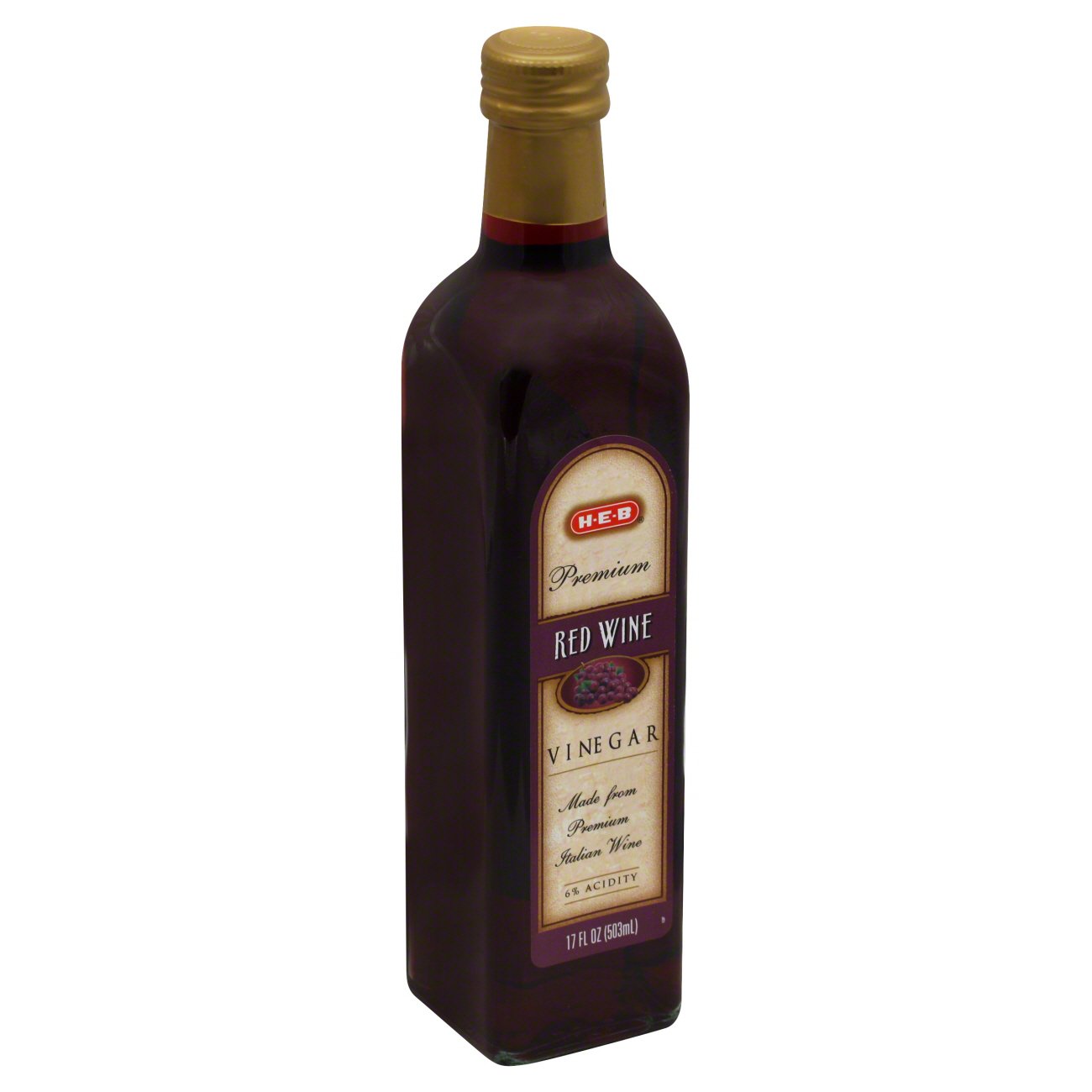
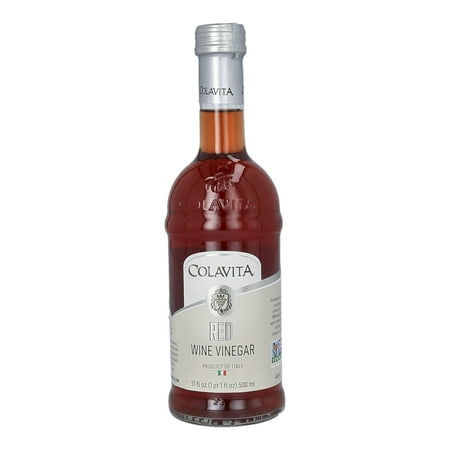
This red wine vinegar contains a synthetic preservative, potassium metabisulfite, which can cause allergic reactions in sensitive individuals. While the vinegar itself is a processed culinary ingredient, the presence of this preservative slightly detracts from its overall quality. However, the product remains relatively simple with minimal processing and no other harmful additives.
Key ingredients 2
Red WineNeutral
Red wine is the base ingredient for vinegar, providing acidity and flavor. It is fermented to produce vinegar, which may retain some antioxidants from the wine. The fermentation process reduces alcohol content significantly, making it suitable for culinary use.
Benefits
May contain residual antioxidants from the red wine, which can offer some health benefits.
Preservative 224Bad
Preservative 224, also known as potassium metabisulfite, is used to prevent spoilage and oxidation. It is a synthetic additive that can cause allergic reactions in sensitive individuals. Its use is common in processed foods to extend shelf life.
Risks
May cause allergic reactions or respiratory issues in sensitive individuals, particularly those with asthma.
Benefits
Helps to preserve the product by preventing spoilage and maintaining quality over time.
Processing
Processed Culinary Ingredients
Get the full breakdown in the Scout appTake Scout shopping
Scan any product to see lab results, healthy alternatives, and your personalized analysis.
Download on theApp Store GET IT ONGoogle Play