
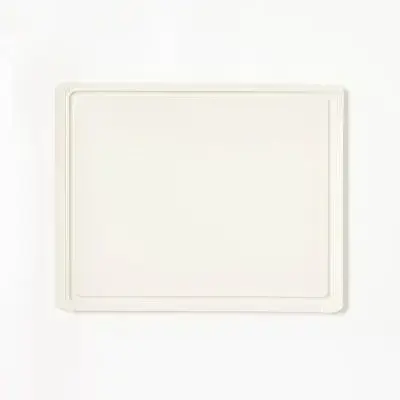
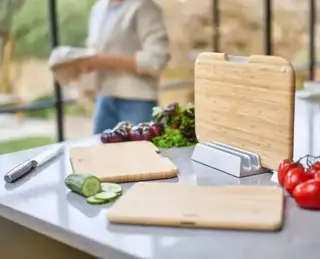
Figmint 11"x14" Nonslip Recycled Poly Cutting Board Cream
At a glance
Summary
Recycled polypropylene (rPP) cutting board from Target's Figmint brand. While made from recycled content, polypropylene plastic boards shed microplastics with every knife cut — studies estimate 50-100mg of microplastics per use. BPA-free but microplastic generation remains a significant concern. Plastic boards score lowest in food safety research when considering contamination of food with plastic particles.
Key ingredients 4
Recycled Polypropylene (rPP)Bad
Even recycled PP sheds 50-100mg microplastics per cutting session; particles directly contaminate food being prepared
See more about Recycled Polypropylene (rPP) →Microplastic GenerationBad
Every knife cut through plastic generates microparticles; 2023 study found significant MP levels in food prep on plastic boards
See more about Microplastic Generation →PFAS Risk from ColorantsBad
Plastic pigments and stabilizers may contain per- and polyfluoroalkyl substances at low concentrations
See more about PFAS Risk from Colorants →BPA-FreeGood
Does not contain bisphenol-A; however BPA-free plastics may still leach other endocrine-disrupting chemicals
See more about BPA-Free →Processing
Unprocessed or Minimally Processed Foods
Get the full breakdown in the Scout appTake Scout shopping
Scan any product to see lab results, healthy alternatives, and your personalized analysis.
Download on theApp Store GET IT ONGoogle Play