
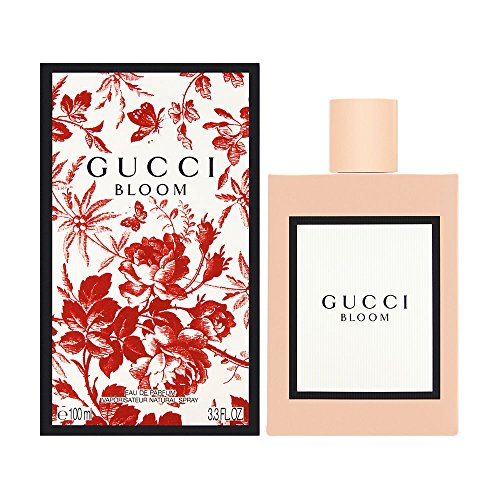


Gucci Bloom Eau de Parfum
At a glance
Summary
Gucci Bloom Eau de Parfum scores 9/100. A women's tuberose-jasmine white-floral from Coty-owned Gucci Beauty. Critical issues: (1) contains Ethylhexyl Methoxycinnamate (octinoxate) — confirmed endocrine disruptor with estrogen-receptor binding, banned in Hawaii and Pacific reef jurisdictions for hormone disruption; (2) contains cinnamal (EU 26 top-strength sensitizer, IFRA-capped at very low levels) plus isoeugenol (EU 26 top-strength sensitizer, capped at 0.02% by IFRA) plus eugenol plus hydroxycitronellal (top-class sensitizer in same family as EU-banned HICC); (3) twelve total IFRA / EU-declared dermal sensitizers; (4) Diethylamino Hydroxybenzoyl Hexyl Benzoate as a second chemical UV filter; (5) BHT antioxidant; (6) undisclosed 'Parfum' trade-secret blend hiding synthetic polycyclic musks. The cinnamal + isoeugenol + octinoxate stack is the worst part of the formula.
Key ingredients 18
Parfum (Fragrance)Very Bad
Trade-secret blanket term that legally conceals dozens to hundreds of individual aromachemicals. Designer fragrance blends almost always contain synthetic polycyclic musks (Galaxolide, Tonalide) — endocrine disruptors that bioaccumulate in human fat tissue, breast milk, and wastewater — alongside Ambroxan, Iso E Super, and historically DEP phthalate solvents. No disclosure obligation in the US.
See more about Parfum (Fragrance) →Ethylhexyl Methoxycinnamate (Octinoxate)Very Bad
Chemical UV filter added to stabilize fragrance color. Confirmed endocrine disruptor with estrogen-receptor binding and anti-androgen activity in cell and animal studies. Banned in Hawaii and several Pacific reef jurisdictions for environmental hormone effects. Pure aesthetic addition — unnecessary in a leave-on cosmetic.
See more about Ethylhexyl Methoxycinnamate (Octinoxate) →CinnamalVery Bad
EU 26 fragrance allergen — one of the strongest dermal sensitizers in the IFRA standards. IFRA imposes strict use-level caps in leave-on products precisely because cinnamaldehyde causes high rates of contact dermatitis.
See more about Cinnamal →HydroxycitronellalVery Bad
EU 26 fragrance allergen and well-documented strong dermal sensitizer. The closely related Hydroxyisohexyl 3-Cyclohexene Carboxaldehyde (HICC / Lyral) was banned by the EU in 2021 for the same class of sensitization issues; hydroxycitronellal itself remains restricted but is repeatedly cited in patch-test registries as a top fragrance allergen.
See more about Hydroxycitronellal →IsoeugenolVery Bad
EU 26 fragrance allergen and a top-strength dermal sensitizer per IFRA. Use level in leave-on products is capped at 0.02% by IFRA because of its high allergic-contact-dermatitis rate.
See more about Isoeugenol →Diethylamino Hydroxybenzoyl Hexyl BenzoateBad
Chemical UV filter (Uvinul A Plus) added to prevent fragrance color shift. Newer-generation but still benzophenone-derived; limited long-term human data.
See more about Diethylamino Hydroxybenzoyl Hexyl Benzoate →BHT (Butylated Hydroxytoluene)Bad
Synthetic antioxidant. Possible endocrine disruptor (mild estrogenic activity in cell studies); banned as a food additive in several countries. Restricted in California Prop 65 listings for some uses.
See more about BHT (Butylated Hydroxytoluene) →LinaloolBad
IFRA / EU-declared fragrance allergen. Air-oxidized linalool hydroperoxides are confirmed contact sensitizers — exposure is high in spray-on fragrance.
See more about Linalool →Benzyl AlcoholBad
IFRA / EU-declared fragrance allergen with mild preservative function; contact dermatitis is documented in spray fragrances.
See more about Benzyl Alcohol →CitronellolBad
IFRA / EU-declared fragrance allergen. Recognized dermal sensitizer; one of the most frequently cited fragrance allergens in patch-test studies.
See more about Citronellol →GeraniolBad
IFRA / EU-declared fragrance allergen with rose-like odor. Documented skin sensitizer; oxidation products are even more reactive.
See more about Geraniol →EugenolBad
IFRA / EU-declared fragrance allergen. Clove-derived; documented strong dermal sensitizer with IFRA-restricted use levels in leave-on products.
See more about Eugenol →FarnesolBad
IFRA / EU-declared fragrance allergen with floral-musky odor. Documented dermal sensitizer.
See more about Farnesol →Benzyl BenzoateBad
IFRA / EU-declared fragrance allergen and known dermal sensitizer; SCCS has flagged repeated leave-on exposure as a concern.
See more about Benzyl Benzoate →Hexyl CinnamalBad
IFRA / EU-declared fragrance allergen. Synthetic jasmine-floral aromachemical; cinnamate-class compounds are a recognized contact-sensitizer family.
See more about Hexyl Cinnamal →CitralBad
IFRA / EU-declared fragrance allergen with strong sensitizing potential — IFRA restricts maximum use levels in leave-on products specifically because of its high contact-allergy rate.
See more about Citral →Alcohol Denat.Neutral
Ethanol-based solvent carrier (~80% of formula). Drying to skin but otherwise inert; denaturant identity is not disclosed.
See more about Alcohol Denat. →Aqua (Water)Neutral
Solvent; safe.
See more about Aqua (Water) →Get the full breakdown in the Scout appTake Scout shopping
Scan any product to see lab results, healthy alternatives, and your personalized analysis.
Download on theApp Store GET IT ONGoogle PlayAmazon pricing & content
Amazon price as of . Product prices and availability are accurate as of the date/time indicated and are subject to change. Any price and availability information displayed on Amazon.com at the time of purchase will apply to the purchase of this product.
CERTAIN CONTENT THAT APPEARS ON THIS SITE COMES FROM AMAZON. THIS CONTENT IS PROVIDED “AS IS” AND IS SUBJECT TO CHANGE OR REMOVAL AT ANY TIME.