

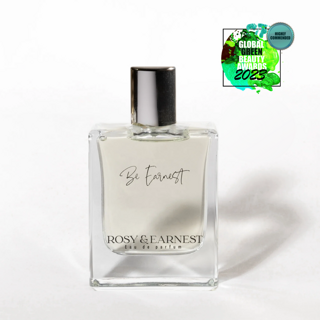


Henry Rose Jake's House Eau de Parfum
At a glance
Summary
Henry Rose Jake's House Eau de Parfum scores 82/100. A unisex woody-amber EDP from the EWG Verified™ + Cradle to Cradle Certified™ Gold fragrance house founded by Michelle Pfeiffer. Strengths: (1) full fragrance-formula disclosure on the brand site — every aromachemical is named, with no 'Parfum' trade-secret blanket; (2) musks are entirely macrocyclic (Ethylene Brassylate, Ambrettolide, Dodecahydro-tetramethylnaphthofuran-class) — non-bioaccumulative, non-endocrine-disrupting alternatives to Galaxolide and Tonalide; (3) only four EU 26 declared allergens (linalool, citronellol, geraniol, benzyl alcohol), all at IFRA-compliant levels; (4) no synthetic dyes, no UV filters, no Lilial, no HICC, no phthalates; (5) Tinogard TT antioxidant suppresses oxidation of the trace allergens. Points off only for the unavoidable presence of synthetic aromachemicals and natural-allergen residues that are required for any wearable fragrance.
Key ingredients 21
Ethylene BrassylateVery Good
Macrocyclic synthetic musk. Non-bioaccumulative and biodegradable — IFRA-supported clean alternative to Galaxolide-class polycyclic musks.
See more about Ethylene Brassylate →AmbrettolideVery Good
Macrocyclic musk derived from ambrette seed (or upcycled biotech). Non-bioaccumulative, biodegradable — a clean substitute for endocrine-disrupting polycyclic musks (Galaxolide, Tonalide).
See more about Ambrettolide →TocopherolVery Good
Vitamin E. Antioxidant that reduces formation of sensitizing hydroperoxides in the bottle.
See more about Tocopherol →EWG Verified™ FormulationGood
Brand carries EWG Verified™ certification — independently vetted against the strictest health-and-safety ingredient standards (no Galaxolide, no Tonalide, no phthalates, no nitromusks).
See more about EWG Verified™ Formulation →Cradle to Cradle Certified™ GoldGood
Brand carries Cradle to Cradle Certified™ Gold status for material health and environmental impact.
See more about Cradle to Cradle Certified™ Gold →Full Fragrance DisclosureGood
Brand discloses the complete fragrance formula on the product page — no 'Parfum' trade-secret blanket hiding aromachemicals.
See more about Full Fragrance Disclosure →Methyldihydrojasmonate (Hedione)Good
Hedione — high-volume floral-jasmine aromachemical. Not on EU 26 list; no documented endocrine activity.
See more about Methyldihydrojasmonate (Hedione) →Tinogard TTGood
Antioxidant stabilizer (Methyl Di-T-Butyl Hydroxyhydrocinnamate). Used at trace levels to prevent oxidation of allergens like linalool; itself non-sensitizing.
See more about Tinogard TT →Alcohol Denat.Neutral
Denatured ethanol solvent carrier (~80% of formula). Drying to skin but inert.
See more about Alcohol Denat. →Aqua (Water)Neutral
Solvent; safe.
See more about Aqua (Water) →Iso E SuperNeutral
Tetramethyl Acetyloctahydronaphthalenes. Synthetic woody amber; not on EU 26 list. Long-standing IFRA-supported aromachemical with low sensitization profile.
See more about Iso E Super →Triethyl CitrateNeutral
Solvent / fixative replacement for DEP phthalate. Non-sensitizing, non-endocrine.
See more about Triethyl Citrate →Beta-IononeNeutral
Synthetic violet ionone. Not on EU 26 list; mild sensitizing potential on oxidation.
See more about Beta-Ionone →Alpha-IononeNeutral
Synthetic violet ionone. Not on EU 26 list; mild sensitizing potential on oxidation.
See more about Alpha-Ionone →Patchouli OilNeutral
Natural sesquiterpene-rich oil. Anti-inflammatory; non-allergenic.
See more about Patchouli Oil →Linalyl AcetateNeutral
Naturally occurring ester (lavender, bergamot). Not on the EU 26 list itself but oxidizes to linalool; mild sensitizing potential.
See more about Linalyl Acetate →VanillinBad
Synthetic vanilla flavoring — an artificial flavor.
See more about Vanillin →LinaloolBad
IFRA / EU-declared fragrance allergen. Air-oxidized linalool hydroperoxides are confirmed contact sensitizers — spray exposure is high.
See more about Linalool →Benzyl AlcoholBad
IFRA / EU-declared fragrance allergen with mild preservative function; contact dermatitis is documented in spray fragrances.
See more about Benzyl Alcohol →CitronellolBad
IFRA / EU-declared fragrance allergen. Recognized dermal sensitizer; one of the most frequently cited fragrance allergens in patch-test studies.
See more about Citronellol →GeraniolBad
IFRA / EU-declared fragrance allergen with rose-like odor. Documented skin sensitizer; oxidation products are even more reactive.
See more about Geraniol →Get the full breakdown in the Scout appTake Scout shopping
Scan any product to see lab results, healthy alternatives, and your personalized analysis.
Download on theApp Store GET IT ONGoogle PlayAmazon pricing & content
Amazon price as of . Product prices and availability are accurate as of the date/time indicated and are subject to change. Any price and availability information displayed on Amazon.com at the time of purchase will apply to the purchase of this product.
CERTAIN CONTENT THAT APPEARS ON THIS SITE COMES FROM AMAZON. THIS CONTENT IS PROVIDED “AS IS” AND IS SUBJECT TO CHANGE OR REMOVAL AT ANY TIME.