
Ingredient
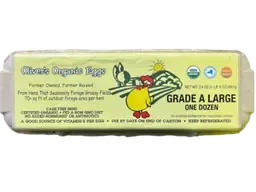
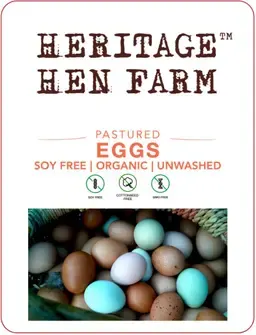
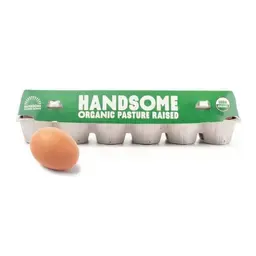
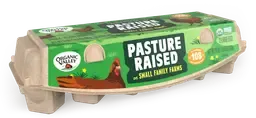
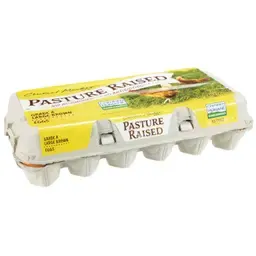
Pasture Raised
What is Pasture Raised?
Pasture Raised refers to livestock that are raised primarily on pastures, allowing them to graze and roam freely. This practice is common for poultry and eggs, where the animals are provided more space and a more natural diet compared to conventional methods.
The term is often used to imply higher welfare standards and potentially better nutritional profiles for meat and eggs. Some studies suggest that pasture-raised animals may produce products with higher omega-3 fatty acids and other nutrients compared to those raised in confined or grain-fed environments. However, nutritional differences can vary based on specific practices and environments.
When you see 'Pasture Raised' on a label, it generally indicates production methods intended to adhere to ethical and environmental standards. However, definitions can vary, so additional certifications or standards might provide more insight.
Commonly found in: Eggs, Chicken, Turkeys, Beef, Pork, Lamb
Benefits
- Pasture-raised products may contain higher levels of omega-3 fatty acids.
- Animals raised in pasture systems often have improved welfare conditions.
The FDA does not have a specific regulatory definition for pasture-raised claims but monitors meat labeling for truthful representations.
Research indicates potential nutritional benefits, but variability in practices means these benefits are not guaranteed.
Pasture Raised products are animal-derived and not suitable for a vegan diet.
Sources: Meat and Poultry Labeling Terms · Eggs: Cage-Free vs. Pasture-Raised
Scout's take
Hens raised on pasture have access to insects and forage, producing eggs with higher omega-3s, vitamins D and E, and beta-carotene.
More from Scout's analyses
Outdoor access with foraging; higher omega-3 content and superior animal welfare
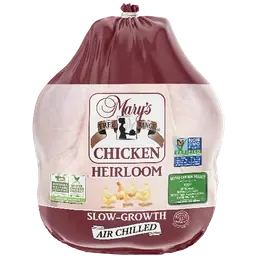
from the analysis of Mary's Pasture Raised Slow Growth Heirloom ChickenFound in 17 products
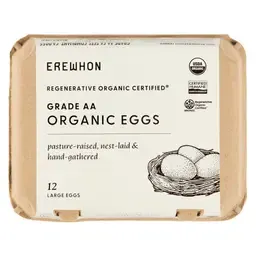







Scan any product to see every ingredient explained — and healthier swaps.
Download on theApp Store GET IT ONGoogle Play