
Ingredient
Plant-based cellulose
What is Plant-based cellulose?
Plant-based cellulose is a natural component found in the cell walls of plants, making it a prevalent fiber source. It is extracted and refined from various plant materials, including wood pulp and cotton.
In products, it serves primarily as a fiber supplement and can aid in digestion. It is also used in manufacturing as a binding or thickening agent. Nutritionally, cellulose is considered a safe, insoluble fiber and does not add calories, providing bulk to help with satiety without being digested by the human body.
When you see cellulose on a label, it often indicates an effort to enhance dietary fiber content or improve texture. It's generally well-regarded in health circles as a beneficial component of dietary intake.
Commonly found in: Dietary supplements, Food products, Paper products, Textiles
Benefits
- Contributes to dietary fiber intake, which can aid digestive health.
- Non-digestible nature may help with feelings of fullness without caloric impact.
Recognized as safe by the FDA with no specific restrictions for consumption.
Scientific studies support its role as a beneficial dietary fiber without adverse effects.
Plant-based cellulose is vegan and widely accepted in vegan communities as a plant-sourced fiber.
Sources: Cellulose in Foods · Dietary Fiber and Health
Scout's take
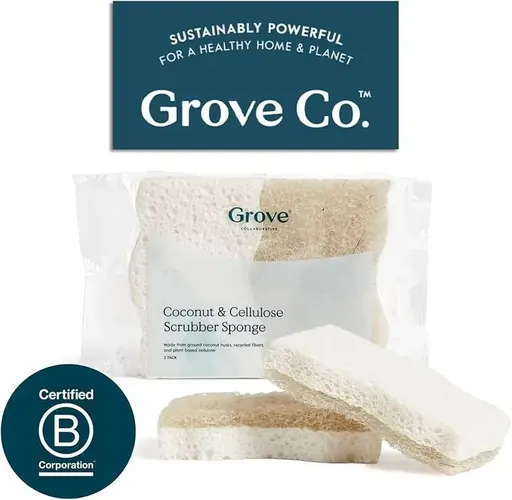
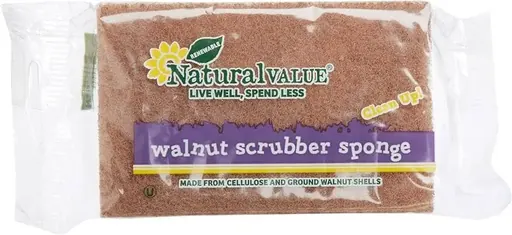
Plant-based cellulose is derived from natural sources like wood pulp and is biodegradable. It poses minimal environmental impact and is safe for health, making it an excellent choice for eco-friendly cleaning products.
Found in 2 products
Scan any product to see every ingredient explained — and healthier swaps.
Download on theApp Store GET IT ONGoogle Play