
Ingredient
Post-Consumer Recycled Content
What is Post-Consumer Recycled Content?
Post-Consumer Recycled Content refers to materials that have been used by consumers and collected through recycling programs to be processed into new products. This can include paper, plastic, and other materials that are reconditioned and reused.
It is used primarily in packaging to reduce the need for new raw materials, helping to minimize environmental impact and promote sustainability. There is no health evidence directly associated with the use of post-consumer recycled content in food packaging, as it is typically processed to meet safety standards.
When you see post-consumer recycled content on a label, it indicates a focus on sustainability and environmental responsibility, suggesting the product may have a lower ecological footprint compared to those without recycled content.
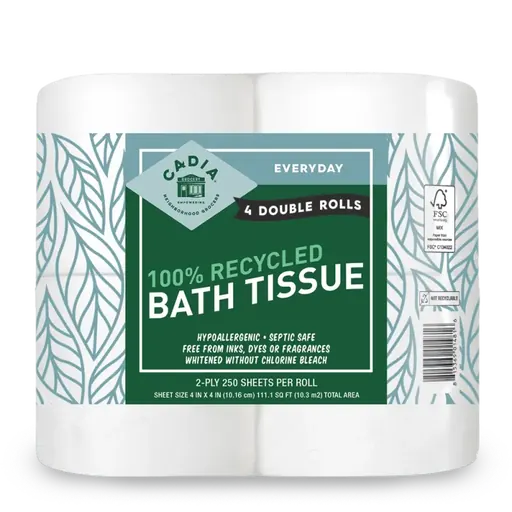
Commonly found in: Toilet Paper, Packaging Materials, Paper Products, Plastic Containers
Benefits
- Reduces reliance on new raw materials, helping to conserve natural resources.
- Supports recycling initiatives and contributes to waste reduction.
The FDA provides guidelines to ensure that materials used in food packaging, including recycled content, are safe.
Current research supports the safe use of recycled materials in packaging when properly processed.
Post-consumer recycled content is not animal-derived and is generally considered vegan-friendly.
Sources: Recycled Plastics in Food Packaging
Scout's take
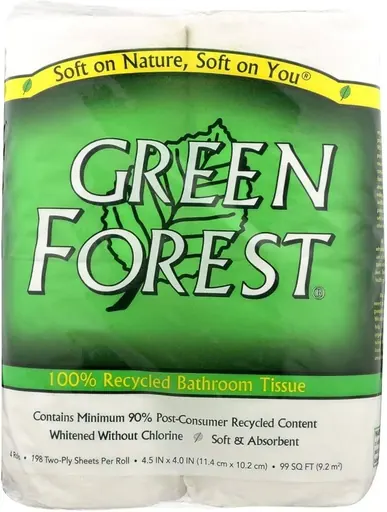
With a minimum of 90% post-consumer recycled content, this product helps divert waste from landfills and promotes recycling efforts, contributing positively to environmental sustainability.
Found in 2 products
Scan any product to see every ingredient explained — and healthier swaps.
Download on theApp Store GET IT ONGoogle Play