
Ingredient
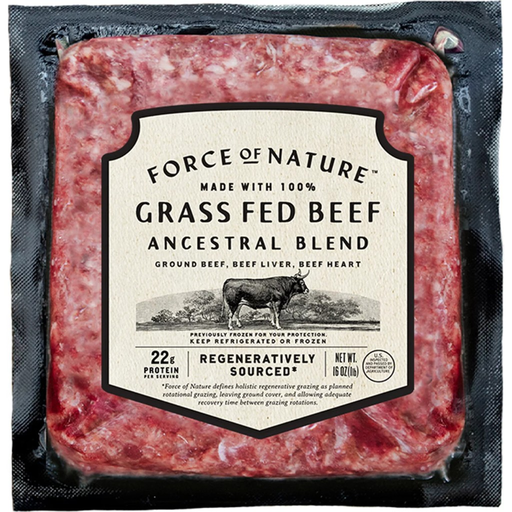
Regeneratively Sourced
What is Regeneratively Sourced?
Regeneratively Sourced refers to products derived from agricultural practices that focus on restoring and enhancing the health of ecosystems. This approach typically involves methods that improve soil health, increase biodiversity, and build climate resilience.
In the context of beef, regeneratively sourced implies that the cattle were raised on farms or ranches employing regenerative agricultural practices. These might include rotational grazing and minimizing synthetic inputs. There is no standardized health evidence specific to regeneratively sourced ingredients, but the general aim is to create a more sustainable food system.
When you see 'Regeneratively Sourced' on a label, it indicates the product is associated with sustainable practices. However, it is not a regulated term, so standards may vary between products and producers.
Commonly found in: Beef, Dairy, Poultry, Produce, Grains
Benefits
- Supports sustainable agricultural practices, promoting environmental health.
The term 'Regeneratively Sourced' is not regulated by the FDA and does not have specific health implications.
While there is limited direct research on health impacts, regenerative agriculture is generally recognized for its environmental benefits.
The term is not animal-derived but can include animal products, such as beef, so it's not inherently vegan.
Sources: Regenerative Agriculture: An Opportunity For More Sustainable And Resilient Food Production
Scout's take
Holistic regenerative grazing practices improve soil health, sequester carbon, and promote biodiversity.
Found in 1 product
Scan any product to see every ingredient explained — and healthier swaps.
Download on theApp Store GET IT ONGoogle Play