
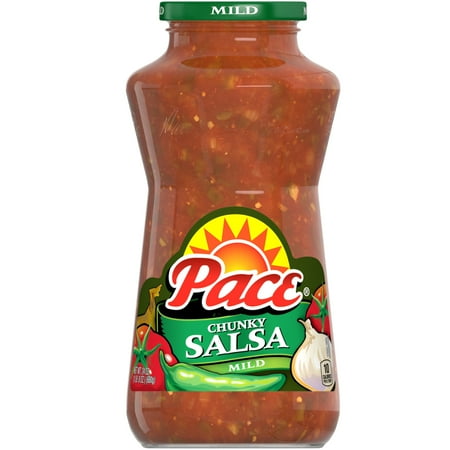



PACE DIPS MILD
Summary
This product is ultra-processed, which limits its healthiness despite having a relatively simple ingredient list. The presence of 'natural flavoring' is a concern due to its lack of transparency and potential for containing heavily processed compounds. While it does not contain seed oils or high-fructose corn syrup, the high processing level and added sugars contribute to a moderate score.
At a glance
Key ingredients 9
Crushed tomatoesNeutral
Crushed tomatoes are a common base for sauces and dips, providing a rich source of lycopene. They are typically processed to concentrate flavors and preserve shelf life. The processing method may reduce some nutrient content compared to fresh tomatoes.
Benefits
Provides lycopene, an antioxidant that may support heart health and reduce cancer risk.
Jalapeno peppersNeutral
Jalapeno peppers add spice and flavor to foods, containing capsaicin which may have health benefits. They are used in small amounts and are typically fresh or pickled. Processing can affect the capsaicin content and flavor profile.
Risks
May cause digestive discomfort in sensitive individuals.
Benefits
Contains capsaicin, which may boost metabolism and provide anti-inflammatory effects.
Diced tomatoes in tomato juiceNeutral
Diced tomatoes in tomato juice are used for texture and flavor, offering a source of vitamins and antioxidants. The canning process helps preserve them but may involve added sodium. They are less nutrient-dense than fresh tomatoes due to processing.
Risks
Potentially high sodium content if salt is added during processing.
Benefits
Provides vitamins A and C, and lycopene, which may support immune function and reduce inflammation.
OnionsNeutral
Onions are used for flavor and aroma, containing antioxidants and sulfur compounds. They are typically used fresh or dehydrated in processed foods. Processing can reduce some of their beneficial compounds.
Benefits
Rich in antioxidants and may support heart health and immune function.
Distilled vinegarNeutral
Distilled vinegar is used as a preservative and flavor enhancer, made through fermentation and distillation. It is a common ingredient in condiments and has a long shelf life. The acetic acid content can aid in food preservation.
Benefits
May aid digestion and act as a natural preservative.
SaltNeutral
Salt is used to enhance flavor and preserve food, being a fundamental seasoning in many dishes. It is often added in processed foods to extend shelf life. Excessive consumption can lead to health issues such as hypertension.
Risks
High sodium intake can increase the risk of hypertension and cardiovascular diseases.
Benefits
Essential for maintaining fluid balance and nerve function in the body.
Dehydrated onionsNeutral
Dehydrated onions provide flavor and are used for convenience in processed foods. They retain some of the nutritional benefits of fresh onions but may lose some volatile compounds during dehydration. They are a shelf-stable alternative to fresh onions.
Benefits
Offers similar antioxidant benefits as fresh onions, supporting immune health.
GarlicNeutral
Garlic is used for its pungent flavor and potential health benefits, containing allicin and other sulfur compounds. It is often used fresh or in powdered form in processed foods. Processing can reduce some of its beneficial compounds.
Benefits
May support cardiovascular health and has antimicrobial properties.
Natural flavoringBad
Natural flavoring is a catch-all term for flavor compounds derived from natural sources, often used to enhance taste. The lack of specificity can mask a wide range of substances, some of which may be heavily processed. This ingredient is often criticized for its lack of transparency.
Risks
Potential for undisclosed allergens and additives that may cause sensitivities.
Processing
Ultra-Processed Foods
Get the full breakdown in the Scout app
Scan any product to see lab results, healthy alternatives, and your personalized analysis.
Download on theApp Store