
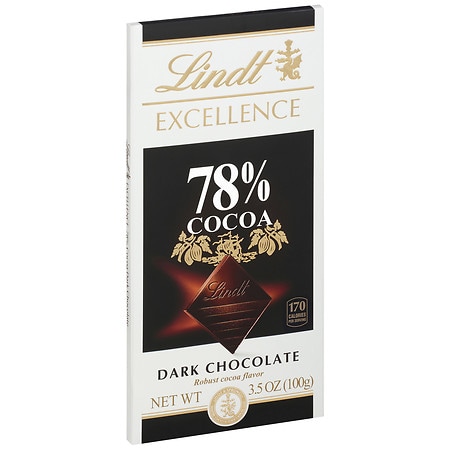


DARK CHOCOLATE
Summary
This dark chocolate contains a relatively short ingredient list with chocolate, cocoa butter, and cocoa powder, which are generally considered high-quality ingredients. However, the presence of added sugar and the processing of cocoa powder with alkali slightly diminish its health profile. The product is moderately processed, which limits its overall score despite the absence of harmful additives like artificial colors or seed oils.
At a glance
Key ingredients 5
ChocolateNeutral
Chocolate is a primary ingredient in dark chocolate, providing the characteristic flavor and texture. It is derived from cocoa beans, which are fermented, dried, roasted, and ground. The quality of chocolate can vary based on the cocoa content and processing methods.
Risks
Excessive consumption can lead to high calorie intake and potential weight gain.
Benefits
Contains flavonoids which may have antioxidant properties and support heart health.
Cocoa ButterNeutral
Cocoa butter is a natural fat extracted from cocoa beans, used to provide smooth texture and rich flavor. It is a stable fat that is resistant to oxidation, making it a common ingredient in chocolate products. The quality of cocoa butter can influence the overall quality of the chocolate.
Risks
High in saturated fats, which should be consumed in moderation to avoid cardiovascular risks.
Benefits
Provides a source of healthy fats and contributes to the creamy texture of chocolate.
SugarBad
Sugar is added to enhance sweetness but is a refined carbohydrate with no essential nutrients. Excessive sugar intake is linked to various health issues, including obesity and diabetes. In dark chocolate, sugar content is typically lower than in milk chocolate, but moderation is still advised.
Risks
High sugar consumption can lead to increased risk of obesity, type 2 diabetes, and dental cavities.
Cocoa Powder Processed With AlkaliNeutral
Cocoa powder processed with alkali, also known as Dutch-processed cocoa, has a milder flavor and darker color. The alkalization process reduces acidity and can affect the antioxidant content. It is often used to improve the solubility and taste of cocoa in chocolate products.
Risks
The alkalization process may reduce the antioxidant levels found in natural cocoa powder.
Benefits
Provides flavor and color to chocolate products, with some antioxidant properties retained.
MilkfatNeutral
Milkfat is added to enhance the creaminess and mouthfeel of chocolate. It is derived from milk and contains saturated fats, which can impact heart health if consumed in excess. The quality of milkfat can vary based on the source and processing methods.
Risks
High in saturated fats, which should be consumed in moderation to avoid cardiovascular risks.
Benefits
Contributes to the creamy texture and flavor profile of chocolate.
Processing
Processed Foods
Get the full breakdown in the Scout app
Scan any product to see lab results, healthy alternatives, and your personalized analysis.
Download on theApp Store