
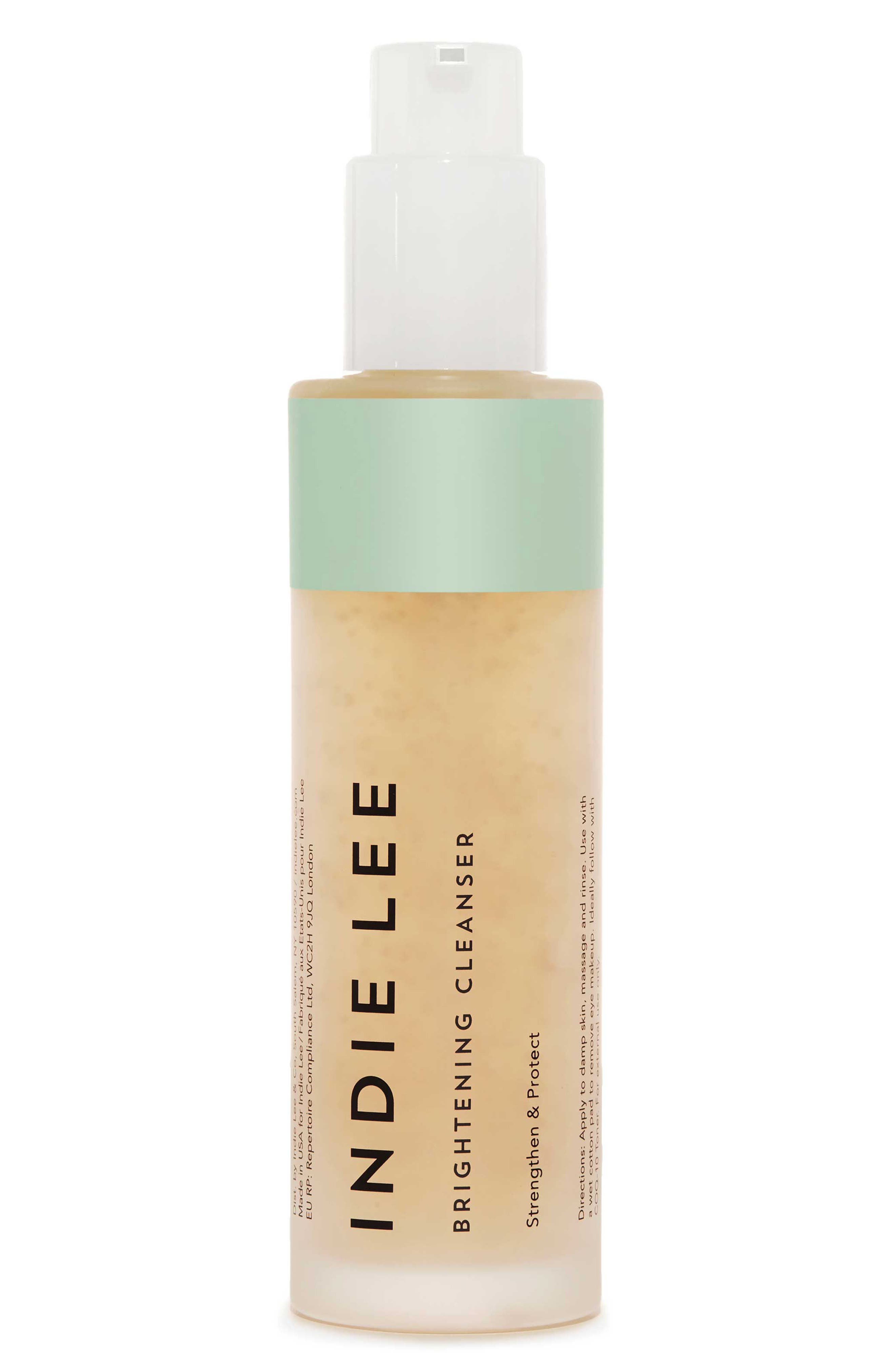

Indie Lee Brightening Cleanser
Analysis updated August 2026 · How Scout scores
At a glance
Summary
This cleanser features a blend of gentle surfactants like decyl glucoside and coco glucoside, which are derived from natural sources and are known for their mildness on the skin. It also includes beneficial ingredients such as strawberry seed oil and lycopene, which provide antioxidant protection and nourishment. The product is processed but maintains a clean ingredient list without harsh chemicals or synthetic fragrances, contributing to its high rating.
Key ingredients 12
fragaria chiloensis (strawberry) seed oilVery Good
Strawberry seed oil is rich in antioxidants and essential fatty acids, providing nourishment and hydration to the skin. It is known for its anti-inflammatory properties and ability to improve skin texture. It is beneficial for maintaining healthy, radiant skin.
Risks
There are minimal risks, though some individuals may experience mild irritation.
Benefits
It provides antioxidant protection and enhances skin hydration and texture.
lycopene (tomato)Very Good
Lycopene is a powerful antioxidant derived from tomatoes, known for its ability to protect the skin from environmental damage. It helps to reduce signs of aging and improve skin texture. It is beneficial for maintaining youthful, healthy skin.
Risks
There are minimal risks associated with lycopene in topical applications.
Benefits
It provides strong antioxidant protection and helps to reduce signs of aging.
decyl glucosideGood
Decyl glucoside is a mild, non-ionic surfactant derived from glucose and coconut oil. It is known for being gentle on the skin and is suitable for sensitive skin types. It effectively cleanses without stripping natural oils.
Risks
There are minimal risks associated with decyl glucoside, though some individuals may experience mild irritation.
Benefits
It provides gentle cleansing properties, making it ideal for sensitive skin.
coco glucosideGood
Coco glucoside is a gentle surfactant derived from coconut oil and glucose. It is known for its mild cleansing properties and is suitable for sensitive skin. It helps to create a stable foam without irritation.
Risks
There are minimal risks, though some individuals may experience mild irritation.
Benefits
It provides effective cleansing while being gentle on the skin.
hydrolyzed wheat proteinGood
Hydrolyzed wheat protein is a conditioning agent that helps to improve skin moisture retention. It is derived from wheat and is known for its ability to strengthen and protect the skin barrier. It is beneficial for maintaining skin elasticity.
Risks
Individuals with wheat allergies should be cautious, although the risk is minimal due to hydrolysis.
Benefits
It enhances skin hydration and elasticity, providing a protective barrier.
water (aqua/eau)Neutral
Water is a common solvent used in cosmetics to dissolve other ingredients. It helps in forming the base of the product and is essential for the formulation. It does not provide direct benefits or risks.
Risks
There are no inherent risks associated with water in cosmetic formulations.
Benefits
Water acts as a carrier for other ingredients, allowing them to be applied smoothly.
disodium coco-glucoside citrateNeutral
Disodium coco-glucoside citrate is a mild surfactant and conditioning agent derived from coconut oil and glucose. It helps to stabilize formulations and improve skin feel. It is generally considered safe and non-irritating.
Risks
There are no significant risks associated with this ingredient.
Benefits
It enhances the texture and feel of the product, contributing to a smoother application.
glyceryl oleateNeutral
Glyceryl oleate is an emulsifier and skin-conditioning agent derived from natural oils. It helps to stabilize formulations and improve skin hydration. It is generally considered safe for use in cosmetics.
Risks
There are no significant risks associated with glyceryl oleate.
Benefits
It enhances skin hydration and improves the texture of the product.
xanthan gumNeutral
Xanthan gum is a natural thickening agent used to stabilize cosmetic formulations. It helps to improve the texture and consistency of products. It is generally considered safe and non-irritating.
Risks
There are no significant risks associated with xanthan gum.
Benefits
It improves the texture and stability of the product.
propanediolNeutral
Propanediol is a glycol used as a solvent and humectant in cosmetics. It helps to improve the texture and moisture content of formulations. It is generally considered safe and non-irritating.
Risks
There are no significant risks associated with propanediol.
Benefits
It enhances the texture and moisture retention of the product.
ethylhexylglycerinNeutral
Ethylhexylglycerin is a conditioning agent and preservative enhancer used in cosmetics. It helps to improve the efficacy of preservatives and provides a smooth skin feel. It is generally considered safe for use.
Risks
There are no significant risks associated with ethylhexylglycerin.
Benefits
It enhances the preservation and texture of the product.
potassium sorbateBad
Synthetic preservative — flagged in daily-use products.
Risks
There are minimal risks, though some individuals may experience mild irritation.
Benefits
It effectively preserves the product, preventing microbial growth.
Get the full breakdown in the Scout appTake Scout shopping
Scan any product to see lab results, healthy alternatives, and your personalized analysis.
Download on theApp Store GET IT ONGoogle PlayAmazon pricing & content
Amazon price as of . Product prices and availability are accurate as of the date/time indicated and are subject to change. Any price and availability information displayed on Amazon.com at the time of purchase will apply to the purchase of this product.
CERTAIN CONTENT THAT APPEARS ON THIS SITE COMES FROM AMAZON. THIS CONTENT IS PROVIDED “AS IS” AND IS SUBJECT TO CHANGE OR REMOVAL AT ANY TIME.