
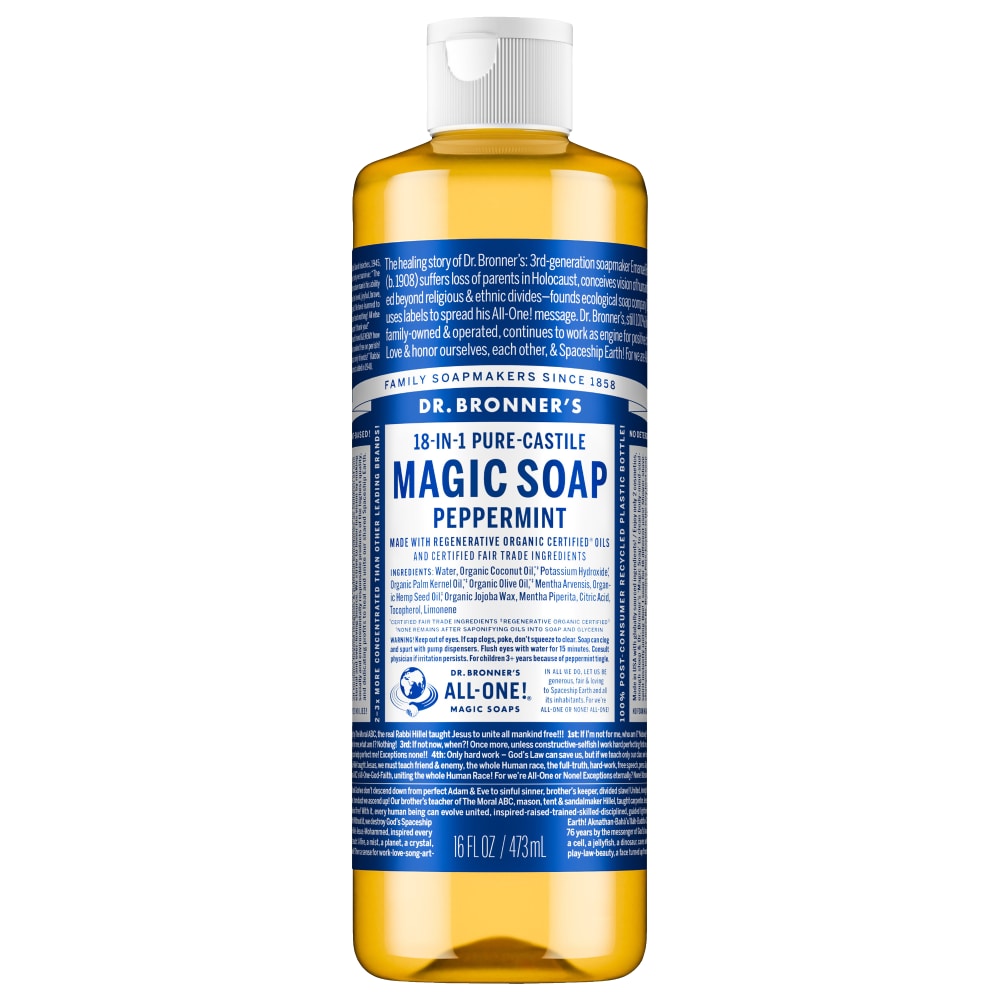
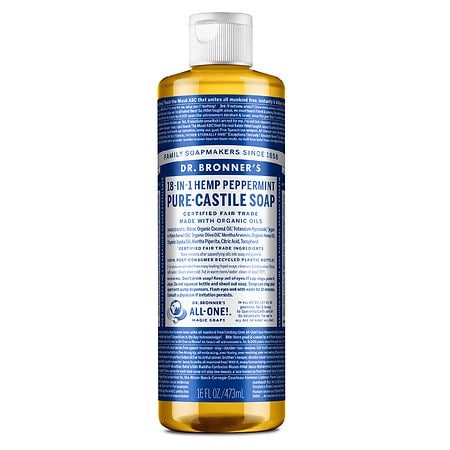
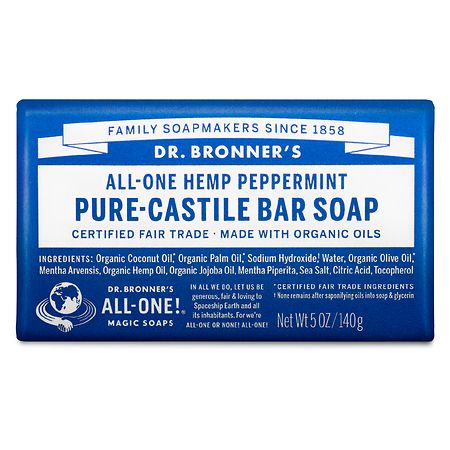
18-In-1 Hemp Pure-Castile Soap Peppermint 4.0 FL OZ
Summary
This soap features a simple and natural ingredient list, primarily composed of organic oils and essential oils, which are minimally processed. It avoids harsh chemicals and synthetic additives, making it a gentle and safe option for skin cleansing. The use of peppermint oil provides a refreshing scent without relying on synthetic fragrances, enhancing its appeal as a clean-label product.
At a glance
Key ingredients 11
Water
Water is a universal solvent used in cosmetics to dissolve other ingredients. It helps to create a liquid base for the product. It is essential for the formulation but does not provide direct skin benefits.
Risks
There are no significant risks associated with water in cosmetics.
Benefits
Water hydrates the skin by providing moisture.
Organic Coconut Oil
Organic Coconut Oil is a natural oil known for its moisturizing properties. It helps to nourish and hydrate the skin, making it soft and supple. It is often used in cosmetics for its emollient effects.
Risks
Coconut oil can clog pores for some individuals, potentially leading to acne.
Benefits
It provides deep hydration and has antibacterial properties that can benefit the skin.
Potassium Hydroxide
Potassium Hydroxide is used in soap making to saponify oils, turning them into soap. It is a strong alkali that helps to create the cleansing properties of the soap. It is neutralized in the final product, making it safe for use.
Risks
In its raw form, it can be irritating to the skin and eyes, but it is neutralized in the final product.
Benefits
It is essential for the soap-making process, enabling the oils to cleanse effectively.
Organic Palm Kernel Oil
Organic Palm Kernel Oil is used for its ability to create a rich lather in soap. It is a natural oil that provides moisturizing benefits to the skin. It is often used in combination with other oils to enhance the texture of the soap.
Risks
There are environmental concerns associated with palm oil production, but organic sourcing mitigates some of these issues.
Benefits
It contributes to a creamy lather and provides moisturizing properties.
Organic Olive Oil
Organic Olive Oil is a nourishing oil rich in antioxidants and vitamins. It is known for its moisturizing and skin-soothing properties. It is often used in cosmetics for its ability to hydrate and protect the skin.
Risks
There are minimal risks, though it may cause breakouts in very oily skin types.
Benefits
It provides deep hydration and has anti-inflammatory properties that soothe the skin.
Metha Arvensis
Metha Arvensis, or wild mint, is used for its cooling and refreshing properties. It provides a natural fragrance and can invigorate the senses. It is often included in products for its aromatic benefits.
Risks
It may cause irritation in sensitive skin types due to its menthol content.
Benefits
It provides a refreshing sensation and can help to soothe minor skin irritations.
Organic Hemp Oil
Organic Hemp Oil is rich in essential fatty acids and is known for its moisturizing properties. It helps to nourish and hydrate the skin without clogging pores. It is often used in cosmetics for its balancing effects on the skin.
Risks
There are minimal risks, though it may cause irritation in very sensitive skin types.
Benefits
It provides hydration and helps to balance oil production in the skin.
Organic Jojoba Oil
Organic Jojoba Oil is a natural oil that closely resembles the skin's natural sebum. It is known for its moisturizing and skin-soothing properties. It is often used in cosmetics for its ability to balance and hydrate the skin.
Risks
There are minimal risks associated with jojoba oil.
Benefits
It provides excellent hydration and helps to regulate oil production.
Mentha Piperita
Mentha Piperita, or peppermint oil, is used for its cooling and invigorating properties. It provides a natural fragrance and can refresh the skin. It is often included in products for its aromatic and soothing benefits.
Risks
It may cause irritation or allergic reactions in sensitive skin types due to its menthol content.
Benefits
It provides a refreshing sensation and can help to soothe minor skin irritations.
Citric Acid
Citric Acid is used to adjust the pH of cosmetic products. It helps to maintain the stability and effectiveness of the product. It is often included in formulations to ensure the product is safe for skin application.
Risks
In high concentrations, it can be irritating to the skin, but it is typically used in safe amounts.
Benefits
It helps to maintain the product's pH balance, ensuring it is gentle on the skin.
Tocopherol
Tocopherol, or Vitamin E, is an antioxidant that helps to protect the skin from free radical damage. It is known for its moisturizing and skin-healing properties. It is often used in cosmetics for its ability to enhance skin health.
Risks
There are minimal risks, though it may cause irritation in very sensitive skin types.
Benefits
It provides antioxidant protection and helps to moisturize and heal the skin.
Processing
Processed Culinary Ingredients
Get the full breakdown in the Scout app
Scan any product to see lab results, healthy alternatives, and your personalized analysis.
Download on theApp Store