
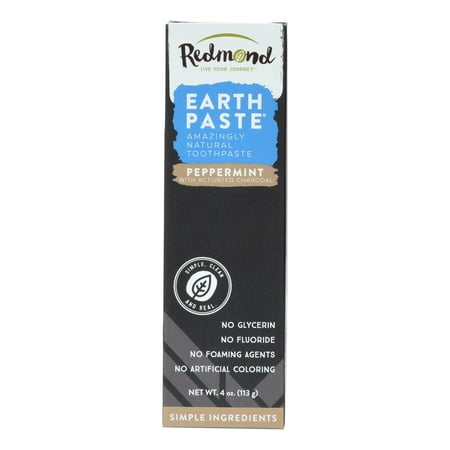

Redmond - Earthpaste Mineral Toothpaste with Silver Peppermint Charcoal 4oz
Analysis updated June 2026 · How Scout scores
At a glance
Summary
This toothpaste contains beneficial ingredients like xylitol, peppermint essential oil, and tea tree oil, which are known for their oral health benefits. However, the presence of activated charcoal, which can be abrasive to enamel, slightly lowers its score. The product is minimally processed and free from major harmful chemicals, making it a relatively healthy choice for oral care.
Key ingredients 8
non-gmo xylitolVery Good
Xylitol is a natural sweetener that can help reduce cavity-causing bacteria and promote oral health.
bentonite clayGood
Bentonite clay naturally helps absorb impurities and can support oral cleansing without harsh chemicals.
See more about bentonite clay →peppermint essential oilGood
Peppermint essential oil provides a refreshing flavor and can help freshen breath naturally.
See more about peppermint essential oil →sea saltGood
Sea salt can help mineralize teeth and support oral health through its natural mineral content.
See more about sea salt →tea tree oilGood
Tea tree oil has natural antimicrobial properties that can help maintain oral hygiene.
See more about tea tree oil →purified waterNeutral
Standard formulation ingredient — neither beneficial nor harmful at typical use.
See more about purified water →mentholNeutral
Standard formulation ingredient — neither beneficial nor harmful at typical use.
See more about menthol →activated charcoalBad
Activated charcoal is often used for its stain-removing properties, but it can be abrasive and potentially damage tooth enamel over time.
See more about activated charcoal →Processing
Processed Culinary Ingredients
Get the full breakdown in the Scout appTake Scout shopping
Scan any product to see lab results, healthy alternatives, and your personalized analysis.
Download on theApp Store GET IT ONGoogle PlayAmazon pricing & content
Amazon price as of . Product prices and availability are accurate as of the date/time indicated and are subject to change. Any price and availability information displayed on Amazon.com at the time of purchase will apply to the purchase of this product.
CERTAIN CONTENT THAT APPEARS ON THIS SITE COMES FROM AMAZON. THIS CONTENT IS PROVIDED “AS IS” AND IS SUBJECT TO CHANGE OR REMOVAL AT ANY TIME.