

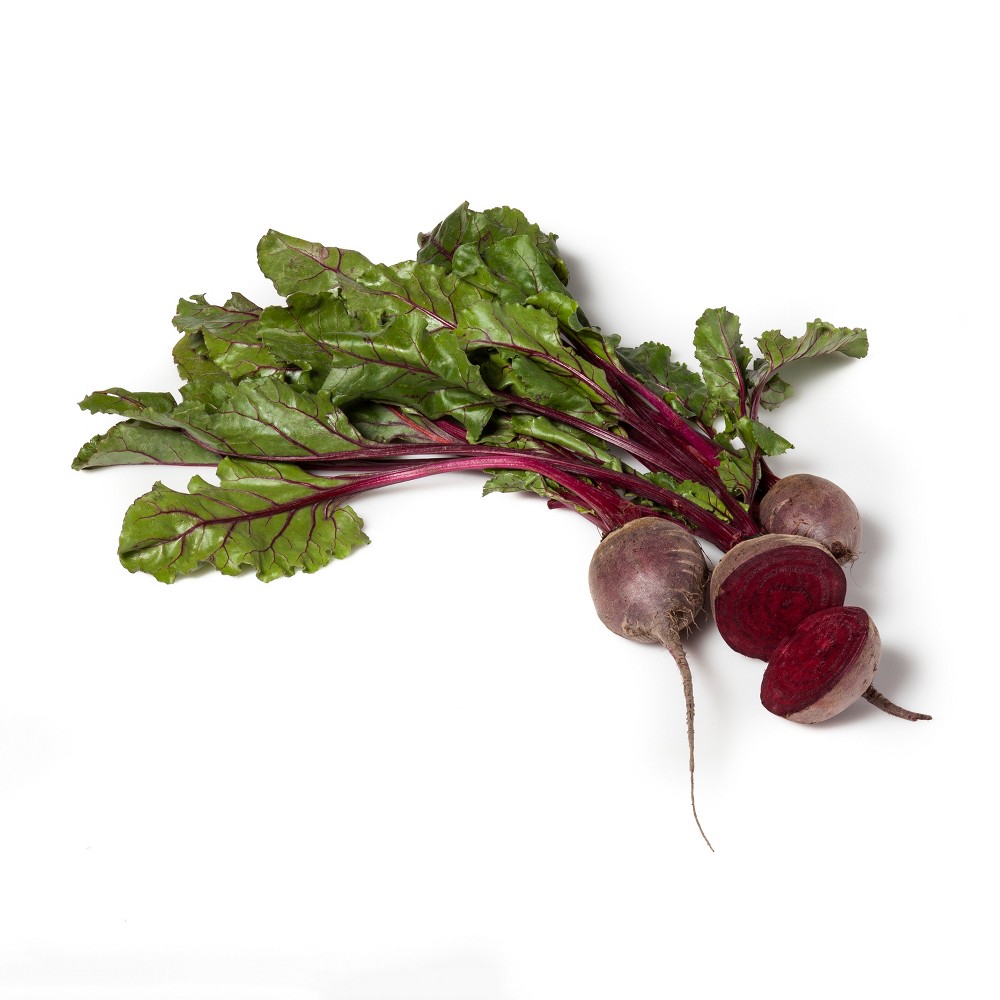


Red Beet Eggs
Summary
This product contains high-quality ingredients like eggs and beet juice, which provide essential nutrients and antioxidants. However, the presence of refined sugar adds unnecessary calories and can contribute to health issues if consumed in excess. The product's processing level also limits its score, as it is not a minimally processed food.
At a glance
Key ingredients 9
EggsGood
Eggs are a high-quality source of protein and essential nutrients. They contain all nine essential amino acids and are rich in vitamins such as B12 and D. The yolk provides healthy fats and choline, important for brain health.
Risks
Some individuals may have allergies to eggs, which can cause adverse reactions.
Benefits
Eggs are nutrient-dense, providing high-quality protein and essential vitamins and minerals. They support muscle maintenance and overall health.
Beet JuiceGood
Beet juice is rich in nitrates, which can improve blood flow and lower blood pressure. It also contains antioxidants like betalains that may reduce inflammation. The natural sugars in beet juice provide a mild sweetness without refined sugar.
Risks
Excessive consumption may lead to beeturia, a harmless condition where urine turns pink or red.
Benefits
Beet juice supports cardiovascular health and provides antioxidants that may reduce inflammation.
White Distilled Apple VinegarNeutral
White distilled apple vinegar is used as a preservative and flavor enhancer. It is made through the fermentation of apple cider, resulting in acetic acid. While it adds tanginess, it does not provide significant nutritional benefits.
SugarBad
Refined sugar is a source of empty calories with no essential nutrients. It can contribute to weight gain and increase the risk of metabolic diseases when consumed in excess. Its presence in processed foods is often linked to increased calorie intake.
Risks
High consumption of refined sugar is associated with obesity, type 2 diabetes, and heart disease.
WaterNeutral
Water is used as a solvent and carrier for other ingredients. It is essential for hydration but does not contribute additional nutrients in this context. Its role is primarily functional in food processing.
Benefits
Essential for hydration but does not provide additional nutritional benefits in this product.
SaltNeutral
Salt is used to enhance flavor and preserve food. It is a source of sodium, which is essential for fluid balance and nerve function. However, excessive intake can lead to hypertension and cardiovascular issues.
Risks
Excessive sodium intake is linked to high blood pressure and increased risk of heart disease.
Benefits
Provides essential sodium for bodily functions but should be consumed in moderation.
Cinnamon OilNeutral
Cinnamon oil is used for its flavor and potential antimicrobial properties. It is derived from the bark of cinnamon trees and contains cinnamaldehyde. While it adds aroma, its health benefits in small quantities are minimal.
Benefits
May provide antimicrobial properties but offers minimal health benefits in small quantities.
Clove OilNeutral
Clove oil is used for its strong flavor and potential antimicrobial effects. It is extracted from clove buds and contains eugenol. While it enhances taste, its health benefits are limited in small amounts.
Benefits
May offer antimicrobial properties but provides minimal health benefits in small quantities.
Natural ColorNeutral
Natural color is used to enhance the visual appeal of food products. It is derived from natural sources, such as plants or minerals. While it improves appearance, it does not contribute nutritional value.
Processing
Processed Foods
Get the full breakdown in the Scout app
Scan any product to see lab results, healthy alternatives, and your personalized analysis.
Download on theApp Store