
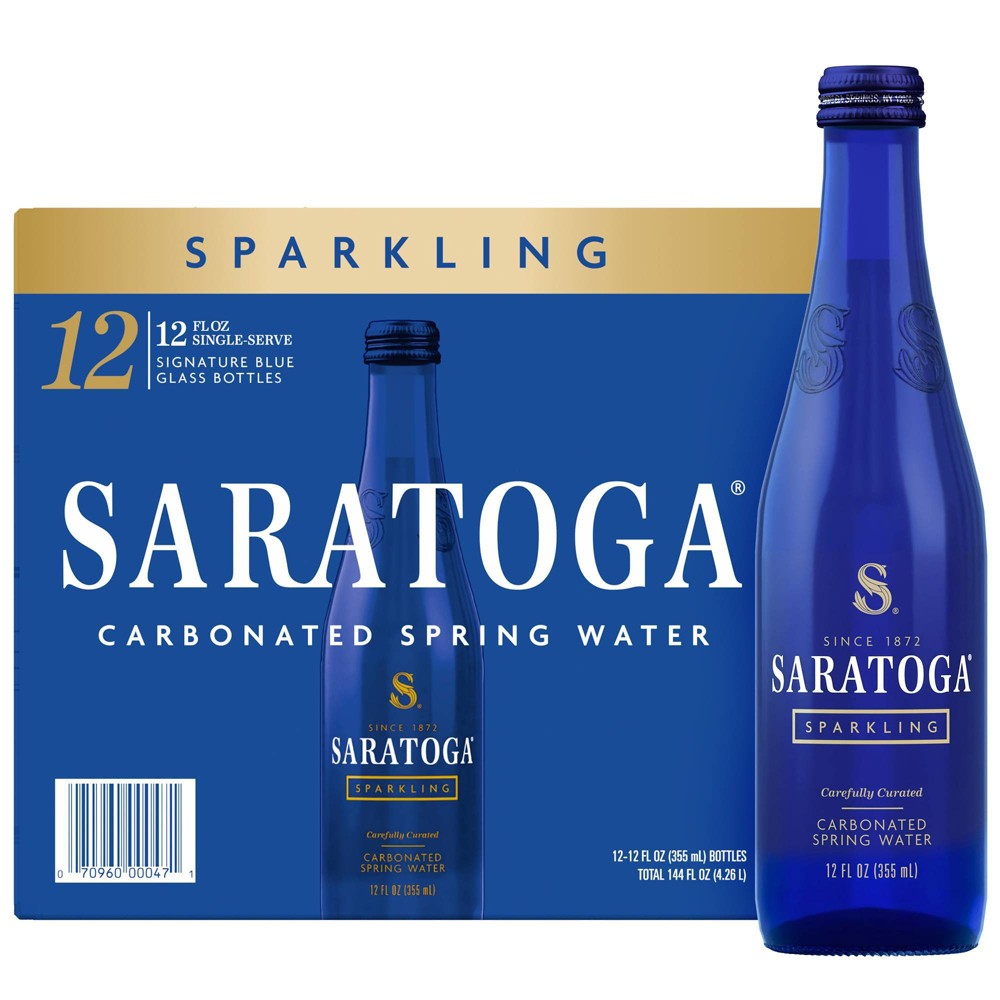
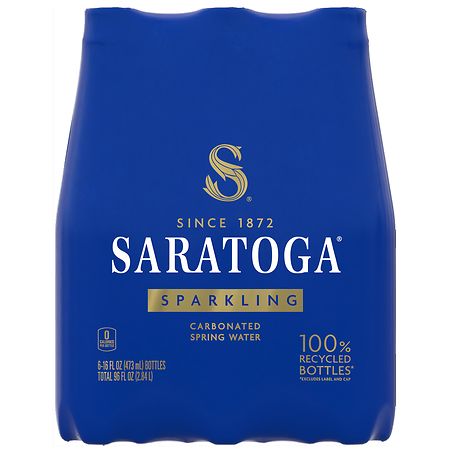
Drinking Water
Summary
This drinking water is minimally processed and contains beneficial minerals such as calcium, magnesium, and potassium, which contribute to hydration and electrolyte balance. The absence of harmful substances and the clean ingredient list make it a high-quality choice for hydration. However, it does not reach the highest score due to the potential presence of microplastics, which is a common concern with bottled water.
At a glance
Key ingredients 6
Purified WaterNeutral
Purified water is the main component of this product, providing hydration without additional calories or nutrients. It undergoes filtration processes to remove impurities and contaminants, ensuring safety and cleanliness. This ingredient is essential for maintaining bodily functions and overall health.
See more about Purified Water →Calcium ChlorideNeutral
Calcium chloride is used to add calcium ions to the water, which can enhance taste and provide a source of calcium. It is a common food additive and is generally recognized as safe when used in small amounts. The processing method involves dissolving calcium chloride in water, which does not significantly alter its properties.
Risks
Excessive consumption may lead to hypercalcemia, but this is unlikely in typical beverage concentrations.
Benefits
Provides a source of calcium, which is essential for bone health and various metabolic functions.
Sodium BicarbonateNeutral
Sodium bicarbonate is added to water to improve taste and balance pH levels. It is a naturally occurring compound that is safe for consumption in moderate amounts. The ingredient is processed by dissolving it in water, which helps maintain the water's alkalinity.
Risks
High intake can lead to increased sodium levels, but typical beverage use poses minimal risk.
Benefits
Helps maintain pH balance and can improve the taste of water.
Magnesium SulfateNeutral
Magnesium sulfate is included to provide magnesium, an essential mineral for various bodily functions. It is commonly used in beverages to enhance mineral content and taste. The ingredient is dissolved in water, ensuring even distribution and absorption.
Risks
Excessive intake may cause digestive issues, but this is unlikely at typical beverage levels.
Benefits
Contributes to magnesium intake, supporting muscle and nerve function.
Potassium BicarbonateNeutral
Potassium bicarbonate is used to add potassium to the water, which can help with electrolyte balance. It is a safe and effective way to enhance the mineral content of beverages. The ingredient is processed by dissolving it in water, which does not alter its beneficial properties.
Risks
High doses can lead to hyperkalemia, but this is rare in typical beverage concentrations.
Benefits
Provides potassium, which is important for maintaining fluid balance and proper muscle function.
Potassium ChlorideNeutral
Potassium chloride is added to enhance the mineral profile of the water, providing a source of potassium. It is commonly used in food and beverages to improve taste and nutritional content. The ingredient is dissolved in water, ensuring it is evenly distributed and easily absorbed.
Risks
Excessive consumption can lead to hyperkalemia, but this is unlikely in typical beverage use.
Benefits
Contributes to potassium intake, supporting cardiovascular health and muscle function.
Processing
Unprocessed or Minimally Processed Foods
Get the full breakdown in the Scout app
Scan any product to see lab results, healthy alternatives, and your personalized analysis.
Download on theApp Store