Ingredient · Updated
Calcium Chloride
Found in 19 productsSee all
What is Calcium Chloride?
Calcium chloride is a mineral compound commonly found in the form of white, crystalline flakes or granules. It's produced by neutralizing hydrochloric acid with calcium carbonate or limestone.
This ingredient is frequently used in food processing as a firming agent, stabilizer, and desiccant. It's commonly added to pickled vegetables, canned fruits, and sports drinks to improve texture or electrolyte content. The overall health evidence suggests that calcium chloride is safe for consumption in standard food amounts.
When you see calcium chloride on a label, it typically indicates the product contains added minerals, often enhancing the firmness or preserving the texture of food items.
Commonly found in: pickled vegetables, canned fruits, sports drinks, tofu production, beer brewing
What to watch
- High exposure can lead to gastrointestinal irritation and discomfort.
- Some individuals may experience an allergic reaction, though it is rare.
Benefits
- Provides a source of calcium, which is essential for bone health.
- Acts as an electrolyte in sports drinks, helping to maintain fluid balance.
Calcium chloride is recognized as safe by the FDA for use in food and is often listed as GRAS (Generally Recognized As Safe).
Research notes that typical small amounts used in foods are generally considered safe, though excessive dietary calcium chloride should be avoided.
Calcium chloride is mineral-based and suitable for vegan diets.
Sources: Calcium Chloride's Role in Food Safety and Nutrition
Scout's take
Standard formulation ingredient — neither beneficial nor harmful at typical use.
The case against
There are no significant risks associated with calcium chloride in cleaning products.
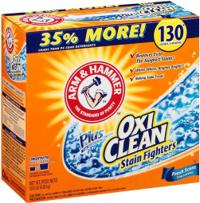
from the analysis of Arm & Hammer OxiClean Stain Fighters DetergentExcessive intake can cause hypercalcemia, affecting heart and kidney function.
from the analysis of Electrolit Blue Raspberry Electrolyte Hydration Beverage - 21 fl oz BottleExcessive intake can lead to hypercalcemia, affecting bone and kidney health.
from the analysis of Electrolit Electrolyte Drink Grape BottleIn concentrated forms, it may cause skin irritation.
from the analysis of All All Free Clear Liquid Fabric Softener - 80 fl ozExcessive exposure can cause skin irritation.
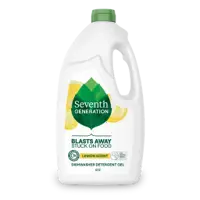
from the analysis of Seventh Generation Dishwasher Detergent Gel Lemon ScentThe case for
It helps stabilize the product and maintain its performance over time.
from the analysis of All All Free Clear Liquid Fabric Softener - 80 fl ozIt helps stabilize the product and maintain its desired consistency.
from the analysis of Arm & Hammer OxiClean Stain Fighters DetergentIt helps in maintaining product stability and effectiveness.
from the analysis of Seventh Generation Dishwasher Detergent Gel Lemon ScentSupports bone health and helps maintain electrolyte balance.
from the analysis of Electrolit Blue Raspberry Electrolyte Hydration Beverage - 21 fl oz BottleHelps maintain the texture and firmness of the tomatoes.
from the analysis of Classico Pasta SauceMore from Scout's analyses
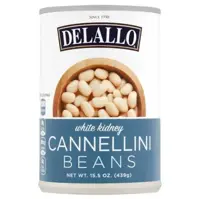
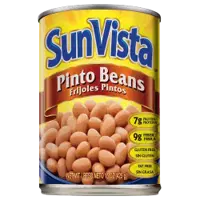
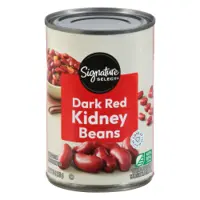
Calcium chloride is used as a firming agent in canned foods. It helps maintain the texture of the beans during processing and storage. It is generally recognized as safe when used in small amounts.
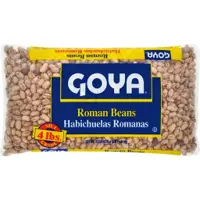
from the analysis of Sun Vista Pinto BeansCalcium chloride is used as a firming agent to maintain the texture of the beans. It is a common food additive that helps retain the structural integrity of canned vegetables. It is generally recognized as safe when used in food processing.
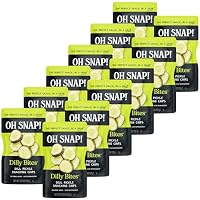
from the analysis of Goya Roman BeansCalcium chloride is used in pickling to maintain firmness and texture of the cucumbers. It is a common additive in food processing with no significant nutritional value. Its use is generally recognized as safe in small quantities.
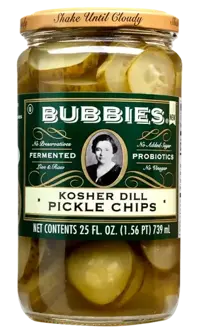
from the analysis of Bubbie's Kosher Dill Pickle ChipsAll 19 products with Calcium Chloride










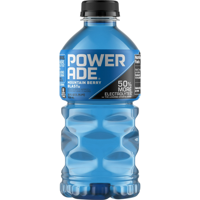
Where Calcium Chloride shows up
Scan any product to see every ingredient explained — and healthier swaps.