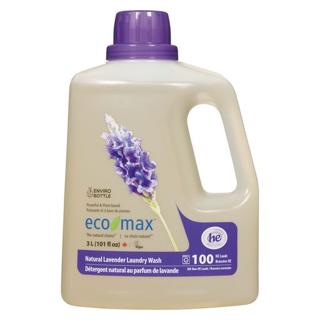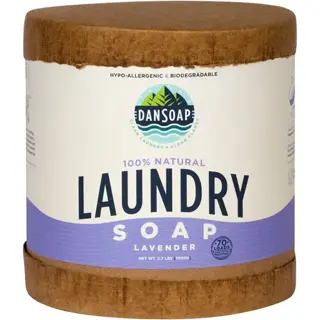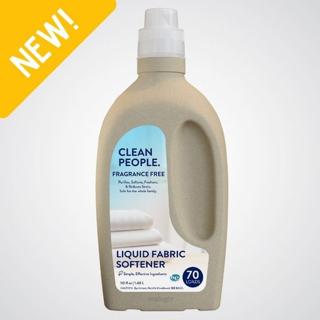
Arm & Hammer OxiClean Stain Fighters Detergent
Swap it for
 Molly's Suds Baby Laundry Detergent Powder Fragrance Free Molly's Suds, LLC View on Amazon · $24.99 See all Laundry, ranked
At a glance
Summary
This detergent contains several concerning ingredients, including sodium laureth sulfate and ethoxylated alcohols, which pose contamination risks due to potential 1,4-dioxane presence. The inclusion of synthetic fragrances and colorants adds to the chemical load without contributing to cleaning efficacy. While it does contain beneficial plant-based enzymes, the presence of preservatives like benzisothiazolinone and methylisothiazolinone, known for causing skin sensitization, further impacts its safety profile.
Key ingredients 18
MethylisothiazolinoneVery Bad
Methylisothiazolinone is a preservative used to prevent microbial growth in cleaning products. It is a leading cause of contact allergies and skin sensitization. Its use is highly controversial due to significant health risks.
Risks
It is a potent skin sensitizer and can cause severe allergic reactions.
Benefits
It helps preserve the product by preventing microbial growth.
C10-16 alketh (C12-15 / C10-16 / C12-16 alcohols ethoxylated)Bad
Ethoxylated alcohols are used as surfactants to help remove dirt and oils. However, they may contain traces of 1,4-dioxane, a potential carcinogen, due to the ethoxylation process. This contamination risk makes them less desirable in cleaning products.
Risks
Potential contamination with 1,4-dioxane, a probable human carcinogen, is a concern.
Benefits
They are effective surfactants that help in cleaning by breaking down oils and dirt.
Sodium laureth sulfateBad
Sodium laureth sulfate is a surfactant used for its foaming properties. It is milder than sodium lauryl sulfate but still poses a risk of skin irritation. Additionally, it may be contaminated with 1,4-dioxane, a potential carcinogen.
Risks
It can cause skin irritation and may be contaminated with 1,4-dioxane.
Benefits
It is effective in removing oils and dirt due to its surfactant properties.
FragrancesBad
Fragrances are added to cleaning products to provide a pleasant scent. However, they can be composed of numerous chemicals, some of which may cause allergic reactions or skin irritation. The lack of transparency in fragrance ingredients is a concern for consumers.
Risks
Fragrances can cause allergic reactions and skin irritation in sensitive individuals.
Benefits
They provide a pleasant scent to the product, enhancing user experience.
C12-13 alcohols ethoxylatedBad
Ethoxylated alcohols are used as surfactants to enhance cleaning performance. They may contain traces of 1,4-dioxane, a potential carcinogen, due to the ethoxylation process. This contamination risk makes them less desirable in cleaning products.
Risks
Potential contamination with 1,4-dioxane, a probable human carcinogen, is a concern.
Benefits
They are effective surfactants that help in cleaning by breaking down oils and dirt.
Disodium distyrylbiphenyl disulfonateBad
Disodium distyrylbiphenyl disulfonate is an optical brightener used to enhance the appearance of fabrics. It does not contribute to cleaning and can persist in the environment. Its use is primarily cosmetic, with no functional cleaning benefits.
Risks
It can persist in the environment and may cause skin irritation.
Benefits
It enhances the appearance of fabrics by making them appear brighter.
BenzisothiazolinoneBad
Benzisothiazolinone is a preservative used to prevent microbial growth in cleaning products. It is a known skin sensitizer and can cause allergic reactions in some individuals. Its use is controversial due to potential health risks.
Risks
It can cause skin sensitization and allergic reactions.
Benefits
It helps preserve the product by preventing microbial growth.
Polyoxyalkylene substituted chromophore (blue) or modified anthraquinone (colorant)Bad
Synthetic colorants are used to provide a visually appealing color to cleaning products. They do not contribute to cleaning performance and are purely cosmetic. Their environmental persistence and potential for skin irritation are concerns.
Risks
They can cause skin irritation and persist in the environment.
Benefits
They provide a visually appealing color to the product.
WaterNeutral
Water is a common solvent used in many cleaning products. It helps dissolve other ingredients and facilitates the cleaning process. It is generally considered safe and non-toxic.
Risks
There are no significant risks associated with water in cleaning products.
Benefits
Water is essential for dissolving and distributing cleaning agents effectively.
Sodium chlorideNeutral
Sodium chloride, or table salt, is used to adjust the viscosity of cleaning products. It is generally considered safe and non-toxic in the amounts used in detergents. It does not pose significant health risks in this context.
Risks
There are no significant risks associated with sodium chloride in cleaning products.
Benefits
It helps to adjust the thickness of the product, making it easier to use.
Sodium bicarbonateNeutral
Sodium bicarbonate, or baking soda, is used for its deodorizing and mild abrasive properties. It is generally considered safe and non-toxic. It is a common ingredient in both food and cleaning products.
Risks
There are no significant risks associated with sodium bicarbonate in cleaning products.
Benefits
It helps neutralize odors and can act as a mild abrasive for cleaning.
Sodium C10-16 alkylbenzenesulfonateNeutral
Sodium alkylbenzenesulfonate is a surfactant used for its cleaning properties. It is effective in breaking down oils and dirt. It is a common ingredient in many cleaning products.
Risks
There are no significant risks associated with sodium alkylbenzenesulfonate in cleaning products.
Benefits
It is an effective surfactant that aids in the removal of dirt and oils.
Acrylic acid homopolymerNeutral
Acrylic acid homopolymer is used as a thickening agent in cleaning products. It helps maintain the desired consistency of the product. It is generally considered safe for use in cleaning formulations.
Risks
There are no significant risks associated with acrylic acid homopolymer in cleaning products.
Benefits
It helps maintain the product's consistency, making it easier to apply.
Calcium chlorideNeutral
Calcium chloride is used as a stabilizer and to control the viscosity of cleaning products. It is generally considered safe and non-toxic. It is a common ingredient in various industrial and consumer products.
Risks
There are no significant risks associated with calcium chloride in cleaning products.
Benefits
It helps stabilize the product and maintain its desired consistency.
Pentasodium DTPANeutral
Pentasodium DTPA is a chelating agent used to bind metal ions in cleaning products. It helps improve the stability and effectiveness of the formulation. It is generally considered safe for use in cleaning products.
Risks
There are no significant risks associated with pentasodium DTPA in cleaning products.
Benefits
It helps stabilize the product and improve its cleaning performance by binding metal ions.
TromethamineNeutral
Tromethamine is used as a pH adjuster in cleaning products. It helps maintain the desired acidity or alkalinity of the formulation. It is generally considered safe for use in cleaning products.
Risks
There are no significant risks associated with tromethamine in cleaning products.
Benefits
It helps maintain the product's pH, ensuring optimal performance.
Amylase enzymeGood
Amylase enzyme is a plant-based enzyme used to break down starches in stains. It is biodegradable and considered environmentally friendly. It enhances the cleaning power of detergents by targeting specific types of stains.
Risks
There are no significant risks associated with amylase enzyme in cleaning products.
Benefits
It effectively breaks down starch-based stains, improving cleaning performance.
Protease enzymeGood
Protease enzyme is a plant-based enzyme used to break down protein-based stains. It is biodegradable and considered environmentally friendly. It enhances the cleaning power of detergents by targeting specific types of stains.
Risks
There are no significant risks associated with protease enzyme in cleaning products.
Benefits
It effectively breaks down protein-based stains, improving cleaning performance.
Get the full breakdown in the Scout appTake Scout shopping
Scan any product to see lab results, healthy alternatives, and your personalized analysis.
Are you Church & Dwight Co., Inc.? Fix an error Get the badge Get tested
Amazon pricing & content
Amazon price for Molly's Suds Baby Laundry Detergent Powder Fragrance Free as of . Product prices and availability are accurate as of the date/time indicated and are subject to change. Any price and availability information displayed on Amazon.com at the time of purchase will apply to the purchase of this product.
CERTAIN CONTENT THAT APPEARS ON THIS SITE COMES FROM AMAZON. THIS CONTENT IS PROVIDED “AS IS” AND IS SUBJECT TO CHANGE OR REMOVAL AT ANY TIME.